
Last updated November 17, 2026
 Home additions & ADU
 Kitchen remodeling
 Bathroom remodeling
 Roofing
 Windows & doors
 Driveway & pavers
 Fence
Free written scope consultation - allowances, timeline, and change-order rules on paper before a single trade is scheduled
Construction Warning Signs: A North Miami Beach Homeowner’s Reference Guide
A hairline crack in stucco on a North Miami Beach home is not the same warning sign as a hairline crack in stucco on a home in Atlanta. In South Florida, a crack that looks cosmetic is frequently the first visible trace of rebar corrosion working behind the wall, and that is a structural problem, not a paint problem. This guide explains what the common construction warning signs actually mean in North Miami Beach, where the causes are usually moisture intrusion, concrete carbonation, or storm-strapping failure rather than the ground-settlement issues that dominate guides written for colder climates. We’ll walk through roofs, walls, windows, and foundations, and show you what a trained eye looks for.
Quick Answer
The most serious construction warning signs in North Miami Beach are rust-stained stucco cracks, recurring ponding water on flat roofs, efflorescence that keeps returning after cleaning, fogged window panes, and cracks that keep widening over months. These point to moisture intrusion, concrete carbonation, or hurricane-strapping problems, and each one gets worse and more expensive the longer it’s left. Cosmetic cracking and shrinkage are normal; movement that returns, grows, or carries staining is not. That’s the line to learn.
Styles & brands we work with
- Kitchen remodeling
- Bathroom remodeling
- Home additions & ADU
- Roofing
- Windows & doors
- Driveway & pavers
- Fence
Table of Contents
- What stucco cracks tell you about the wall
- Warning signs on flat and low-slope roofs
- Efflorescence and moisture migration in concrete block
- Windows and doors: corrosion, fogging, and separation
- Post-storm settling vs. foundation-level movement
- A step-by-step warning-sign inspection you can do yourself
- How often to check what
- Which sign needs which specialist
What Stucco Cracks Tell You About the Wall
Not every stucco crack means trouble. Stucco moves with temperature and humidity, and a house in North Miami Beach sees wide swings of both across a year. The skill is separating three different kinds of cracking, because each one points to a different underlying cause and gets a different response.
Thermal expansion cracking is the normal movement you expect. It tends to show up as fine, uniform lines, often near corners or along joints, and it doesn’t change much month to month. It’s surface behavior, not a wall failing.
Shrinkage cracking is a finishing issue. It appears as a network of small hairline cracks, sometimes called a spiderweb pattern, usually in the first year or two after a finish coat. It’s cosmetic and fixable with proper patching and repainting.
Rust-stain-adjacent cracking is the one to watch for. When a crack in stucco carries a brown or orange stain along its edge, it’s often the visible tip of rebar corrosion behind the wall. Where steel reinforcement sits too close to the surface and moisture reaches it, the steel rusts, expands, and pushes against the stucco from the inside, staining the surface and eventually spalling it off. That’s a structural issue, not a cosmetic one, and it calls for an engineer’s evaluation rather than a fresh coat of paint.
The tell is repetition. A cosmetic crack stays put. A structural one keeps returning in the same place, gets wider, or grows longer after you patch it.
Warning Signs on Flat and Low-Slope Roofs
A large share of the roofs in North Miami Beach are flat or low-slope, built with modified bitumen, TPO, or similar membrane systems. They fail differently from pitched shingle roofs, and the warning signs look different too. Here’s what to watch for.
Ponding water. Some standing water after a heavy rain is normal on a flat roof. Water that is still sitting many hours after the rain stops is not. Recurring ponding in the same low spot stresses seams, adds weight, and speeds membrane breakdown. Photo-reference tip: take pictures of your roof after a rain and mark where the water pools. If it’s pooling in the same place every time, that’s a drainage problem.
Blister patterns on modified bitumen. Small domed blisters, sometimes in clusters, form where trapped moisture or air expands under the membrane. They look like little bubbles or raised bumps. When blisters start to crease or split, moisture is getting in.
TPO seam separation. On TPO membranes, the field of the roof may look fine while the seams lift or peel. Run your eyes along the seams and look for a lifted edge, a gap, or dirt collecting in a line. A seam that’s opening is a direct path for water.
Interior clues on flat roofs. Water stains on ceilings tend to spread out rather than stream down on flat roofs. A brown ring on a ceiling directly under a low-slope roof is a sign the membrane is failing somewhere above it.
- Water still standing many hours after rain
- Raised blisters or bubbles on modified bitumen
- Lifted, peeled, or dirt-lined TPO seams
- Ceiling stain rings rather than streaks
- Membrane that feels soft or spongy underfoot
When we replace or repair a flat roof in North Miami Beach, we work with roofing systems rated for the local climate and backed by manufacturer warranty programs, because a membrane that’s warranted independently of the labor is worth more to a homeowner than one that isn’t.
Efflorescence and Moisture Migration in Concrete Block
Many North Miami Beach homes are built with concrete block and finished in stucco. Concrete block is porous, and water that gets into the block will find its way out. Efflorescence is the white, powdery, salty-looking deposit left on the surface when that water evaporates and leaves minerals behind. It’s the wall’s own report about what’s happening inside it.
A light dusting that appears once after construction or after a big rain and then stops is usually cosmetic. But efflorescence that keeps coming back after you wash it down is telling you moisture keeps migrating through the block. The source could be poor drainage, a leaking roof above the wall, missing or failed flashing, or water wicking up from the foundation.
When it crosses from cosmetic into code-relevant: efflorescence combined with soft or crumbling mortar, cracks that run with the deposit, or a spalled (flaking) surface means the wall is losing material. When the block or mortar is degrading, that’s no longer a cleaning issue; it’s a structural and code issue, and local building officials take a hard look at walls that are actively failing.
Cleaning efflorescence without finding the moisture source is a temporary fix. It will be back. Find where the water enters before you repaint.
Windows and Doors: Corrosion, Fogging, and Separation
Windows and doors in North Miami Beach take on high humidity and intense sun all year, and the failure signs are specific to that. There are three worth knowing well.
Frame corrosion on aluminum. Aluminum frames can pit, chalk, or corrode around fasteners and at the sill. Look for white powdery chalkiness, pitting, or corrosion streaks near hardware. It’s often a sign the finish and seals are breaking down.
Failed IGU seals and fogging. Insulated glass units (IGUs) have two panes with a sealed gap. When that seal fails, moisture gets in and the panes fog up, streak, or show a hazy film between them that won’t wipe off from either side. A failed seal means the unit loses its insulating value. It’s a replacement, not a cleaning.
Frame-to-rough-opening separation. High humidity swells framing and finishes, and repeated movement opens the gap where the window or door frame meets the wall. Look for a widening gap at the edges, drafty corners, or water stains at the juncture. Separation opens a path for water and weakens the opening’s seal against wind and rain.
For homes that need new openings, we install impact-rated windows and doors from PGT, CGI, and ECO Window Systems, brands engineered and certified for high-wind, high-humidity environments. You can look up every product we specify before you sign anything.
Post-Storm Settling vs. Foundation-Level Movement
North Miami Beach sits on sandy and marl soils, and those soils react to water differently than the clay or rock soils most foundation guides were written about. After a heavy storm, some settling is normal and expected. The trick is telling it apart from movement that goes deeper than the surface.
A structural engineer would approach it with measurement, not worry. Here’s the method explained for homeowners:
- Pick your reference points. Choose a few specific spots: the top of a door frame, the base of a wall, the corner of a window. Write down where each sits.
- Mark and date them. Put a small pencil mark or a piece of tape on your reference point and note the date.
- Measure the gaps. Use a tape measure or a crack gauge on diagonal cracks in walls near doors and windows. Record the exact width.
- Check level. A spirit level held against a wall or floor tells you which direction things are tilting, if any.
- Re-measure on a schedule. Measure again every month or two, over several seasons, and compare. Slow growth over time is the signature of foundation-level movement.
- Look for paired signs. A crack that repeats with a sticking door, a sloping floor, or a separated window is more meaningful than any single sign alone.
What separates normal from concerning is repetition and pairing. A single hairline crack on a sandy soil that stays the same width for a year is a different story than a diagonal crack that widens a fraction every month while a door above it starts to stick. That second pattern is worth an engineer’s look.
If you’re planning a home addition or ADU and have seen movement signs, it’s worth resolving before new construction begins. There are fast-track options too, including prefab and modular builds through partners such as Abodu, Dvele, Mighty Buildings, and Boxabl, alongside traditional stick-built additions.
A Step-by-Step Warning-Sign Inspection You Can Do Yourself
A careful walk-around, a few times a year, catches most of what matters before it gets expensive. Here’s a sequence that works for a North Miami Beach house.
- Start at the roofline. Look at fascia, soffit, and the edge of any flat roof. Note sagging, stains, or lifted edges.
- Walk the walls. Look for cracks and note each one’s location, direction, and width. Photograph them with something for scale.
- Check for staining. Any brown, orange, or white deposit is a flag. Rust = suspect rebar. White powder = efflorescence and moisture.
- Test the ground around the perimeter. The soil at the wall base should slope away from the house, not stay wet. Standing water against the foundation is a moisture problem waiting to grow.
- Check windows and doors. Fogged panes, corroded frames, and gaps at the opening edge are the three to log.
- Look inside for paired changes. Sticking doors, sloping floors, and ceiling stains all point back to something seen on the walk.
- Date everything. A notebook with dates and photos turns a pile of anxieties into a measurement record. That record is what a professional or engineer will want to see.
This isn’t DIY repair. It’s DIY observation, and observation is where good decisions start. For anything involving height, ladders, or getting on a roof, leave it to a trained professional.
How Often to Check What
There’s no reason to do a full inspection every week. The value is consistency, not frequency. Here’s a reasonable rhythm for a North Miami Beach home.
- After every major storm: a quick walk to note any new cracks, stains, or damage, and photograph them dated.
- Twice a year: a full perimeter walk covering walls, roof edges, windows, and ground drainage.
- Before any remodel or addition: document any existing warning signs so you know what’s pre-existing and what’s new.
- Ongoing: re-measure any logged crack at the same spot on a fixed schedule, and keep the numbers together.
Consistency beats thoroughness. A homeowner who notes the same crack on the same schedule every few months will catch movement far earlier than one who does a deep inspection once and forgets it. If you’re preparing for a bigger project, our guides to fence installation and driveway & pavers both discuss how existing site and soil conditions affect what gets built.
Which Sign Needs Which Specialist
One of the most expensive mistakes in construction is calling the wrong trade and getting the right fix in the wrong place. Here’s the map.
- Suspected rebar corrosion or structural wall movement: a structural engineer first. Don’t paint over it.
- Recurring ponding, blisters, or seam separation: a roofing professional to assess the membrane and drainage.
- Efflorescence with no mortar damage: find the moisture source. A contractor assesses flashing, drainage, and wall seals.
- Efflorescence with crumbling mortar or spalling: structural assessment plus masonry work.
- Fogged IGUs or corroded frames: a window and door professional for an impact-rated replacement.
- Growing cracks with sticking doors: structural engineer, then corrective construction.
In all of these, the sequence is the same: diagnose first, then repair. A mason who patches a crack without understanding its cause is guessing.
Common Mistakes to Avoid
- Painting over a rust-stained crack. It hides the sign and delays diagnosis of rebar corrosion behind the wall. Spend the time to find the cause before you spend money on the finish.
- Washing off efflorescence without finding the water source. The deposit returns every time moisture migrates back out. Fit the drainage and flashing first.
- Assuming a new crack is just settlement. On North Miami Beach’s sandy and marl soils, post-storm settling is real, but so is deeper movement. Measure over time instead of guessing once.
- Ignoring a flat roof that ponds in the same spot every rain. Recurring ponding quietly shortens the life of the membrane. Document where the water collects after a rain.
- Cleaning a fogged window instead of replacing it. A failed IGU seal can’t be repaired from the surface. The unit gets replaced.
- Treating a widening crack as a patch job. A crack that returns after every repair is a signal to call an engineer, not a fresh tube of sealant.
- Skipping the pre-project walk. Before a remodel, addition, or hardscape project in North Miami Beach, document what you already see. In a humid climate, existing signs matter to what gets built.
See the difference
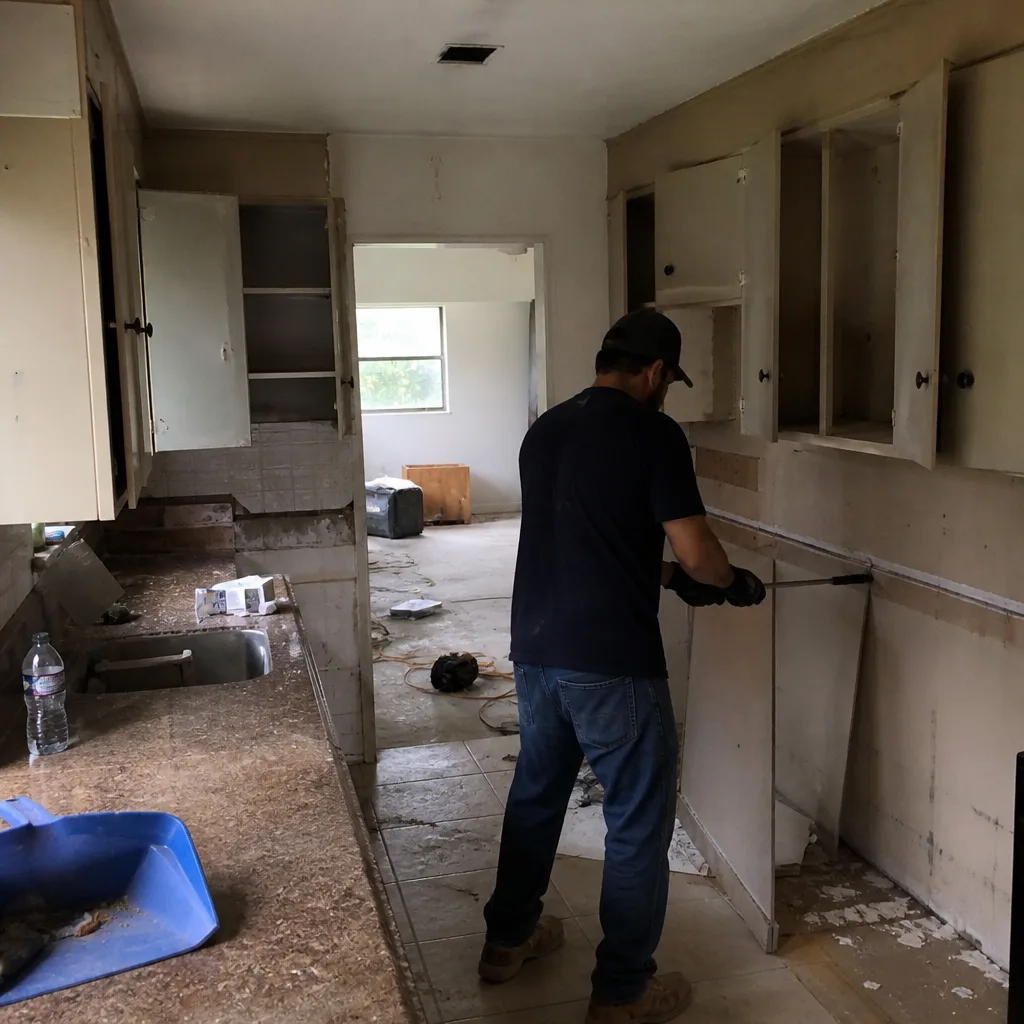 Before
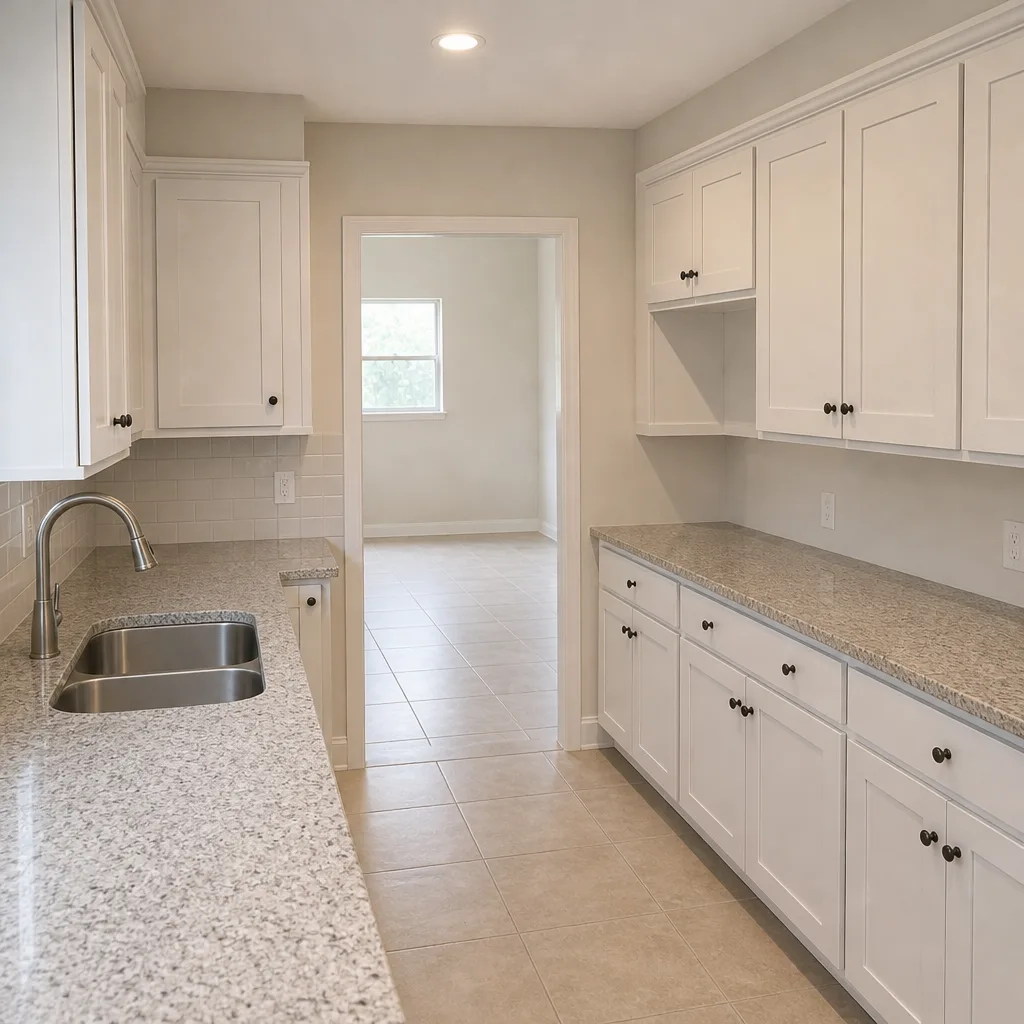 After
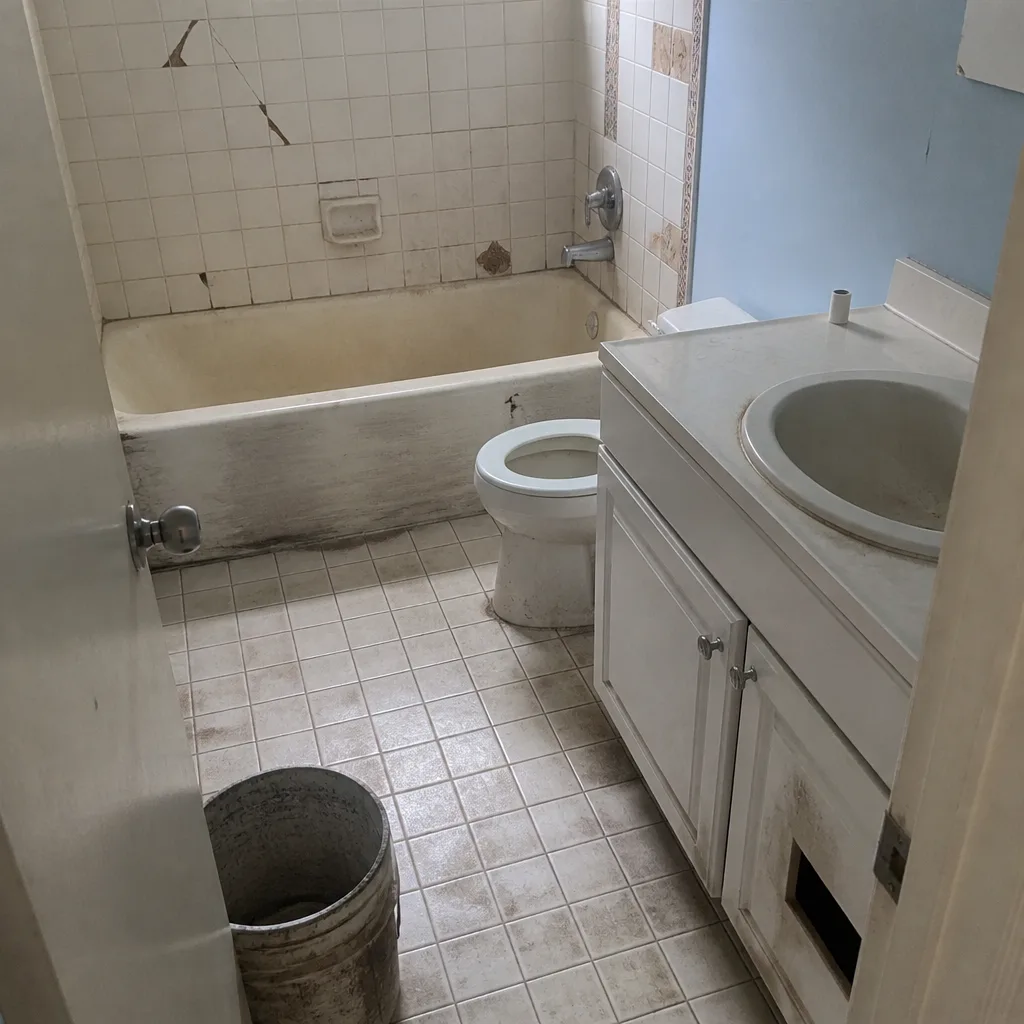 Before
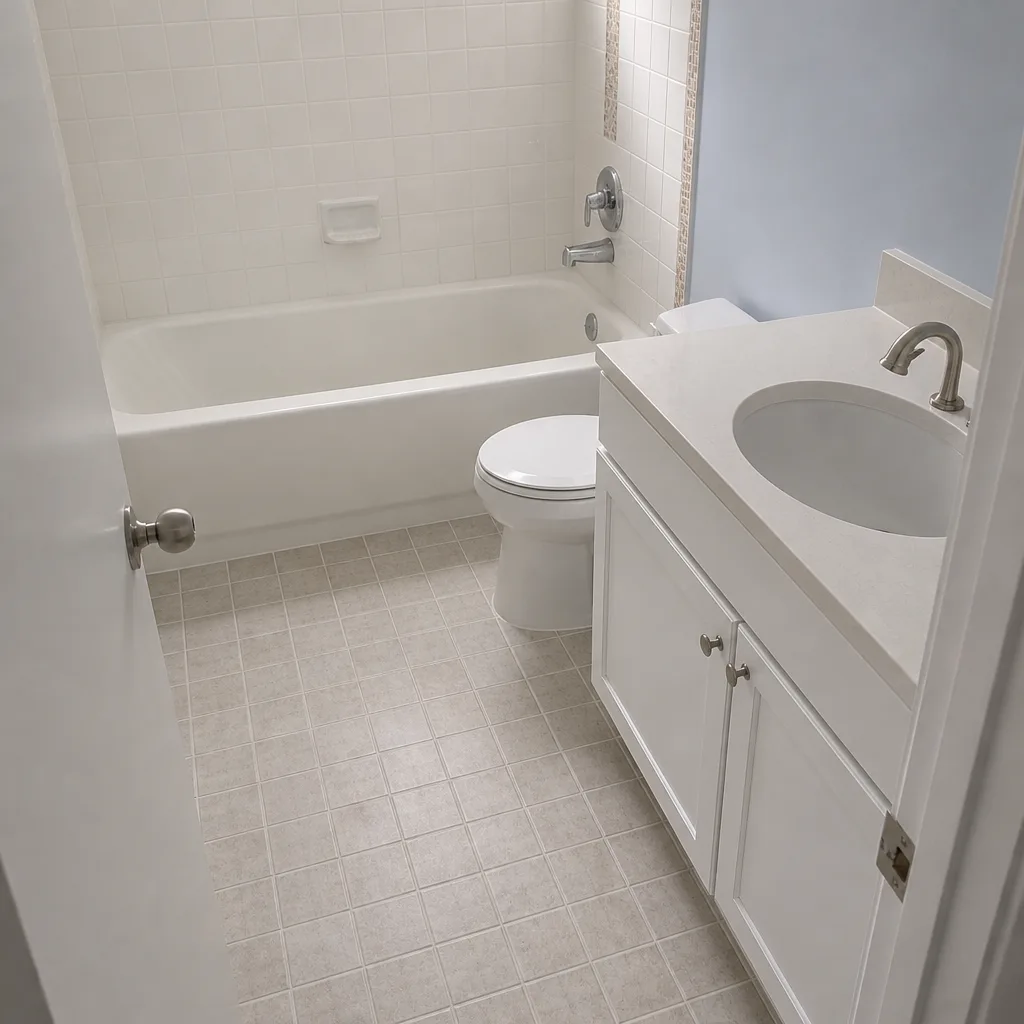 After
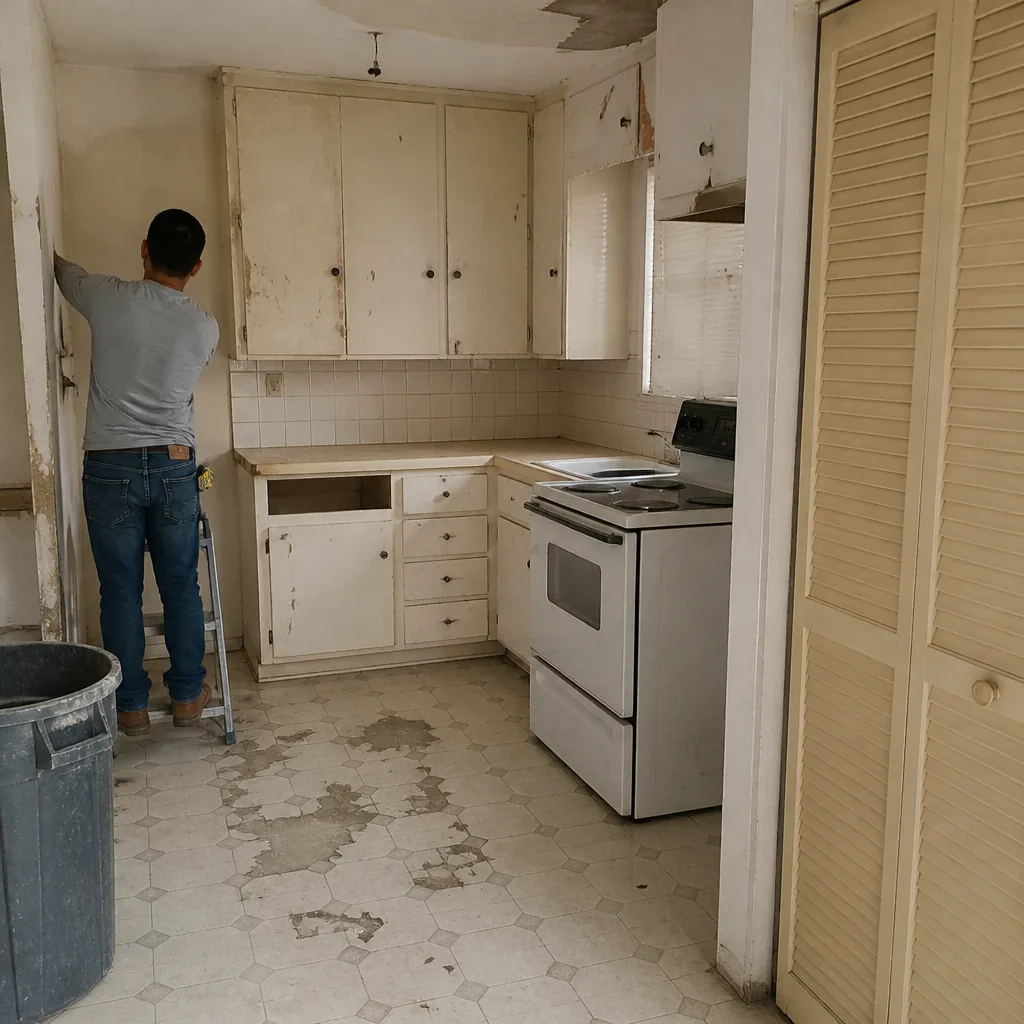 Before
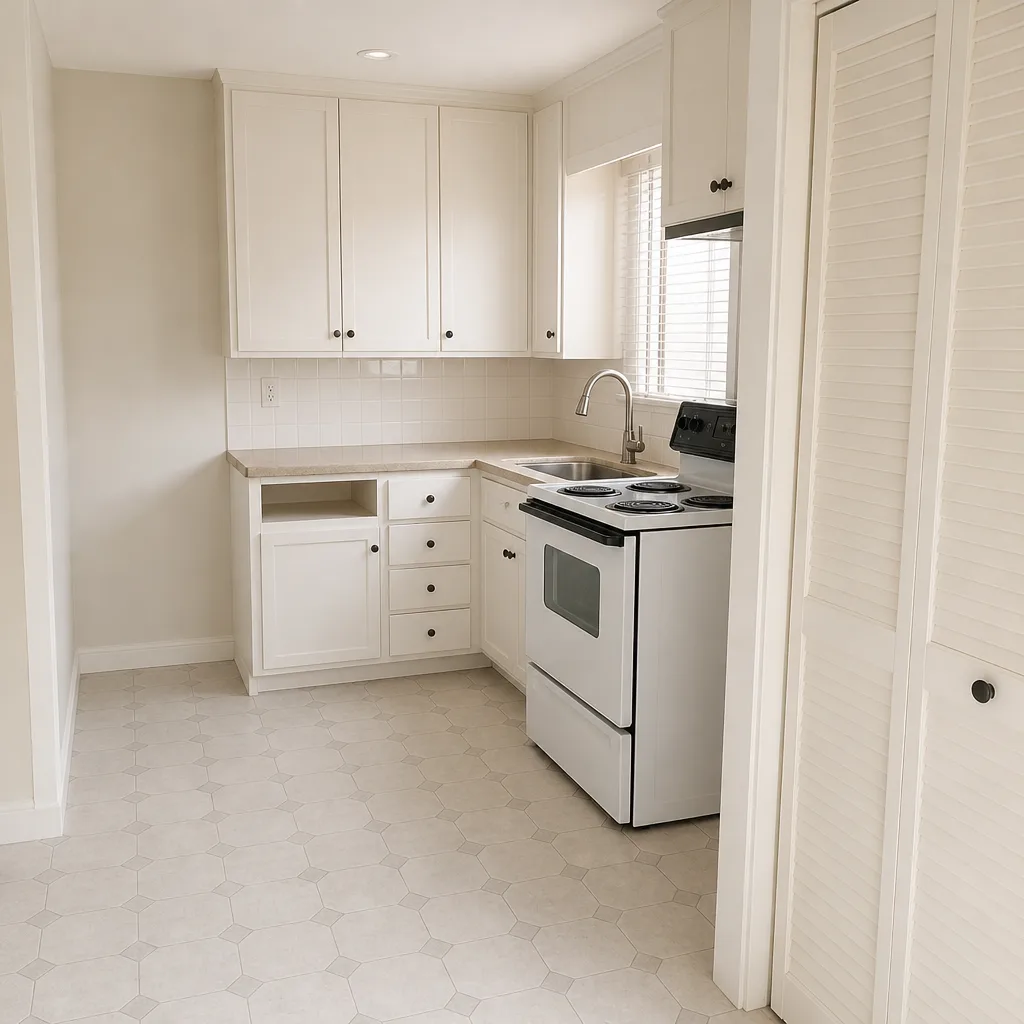 After
When to Call a Professional
Call a professional when you see a crack that carries a rust stain, when water keeps pooling in the same spot on a flat roof, when efflorescence keeps returning after cleaning, when a window pane fogs between the layers of glass, or when a crack keeps widening over months and something above it starts to stick. Those are structural, moisture, or sealing questions, and trained eyes should look at them. Leave anything that involves getting on a roof or standing on a ladder to someone trained for it. A careful homeowner inspection is for observation, not repair. North Miami Beach Construction offers free estimates in North Miami Beach. Call (844) 651-6043.
Frequently Asked Questions
Usually not, unless it carries a rust stain or keeps growing. Fine uniform lines from thermal movement and spiderweb shrinkage cracks are common and cosmetic. A crack with a brown or orange edge often points to rebar corrosion behind the wall, which gets an engineer’s look. Call (844) 651-6043 for a free estimate if you’re unsure which kind you have.
There’s no single answer, because cost depends entirely on what the sign turns out to be: patching a cosmetic crack, re-sealing a flat roof membrane, repairing wall flashing, or replacing a fogged window glass unit are all different jobs. That’s why the diagnosis comes first. Call (844) 651-6043 for a free estimate in North Miami Beach. We answer 24/7.
It’s efflorescence, the mineral deposit left when water moves through the block and evaporates on the surface. One-time dusting is usually cosmetic. Efflorescence that keeps returning after cleaning means moisture keeps entering, and you should find the source: drainage, flashing, or roof.
A failed insulated glass unit seal lets moisture into the sealed gap between panes. It can’t be cleaned from either side. Replacement of the glass unit is the fix, and in North Miami Beach it makes sense to replace with impact-rated units.
Measure and repeat. Mark a crack at a door or window, record its width and date, and measure again every month or two over several seasons. Slow growth paired with a sticking door or sloping floor is worth an engineer’s look. A one-off crack that stays put is a different story. Call (844) 651-6043 for a free estimate in North Miami Beach.
Yes. Resolve existing structural and moisture questions before new construction begins, because a fix built on top of an unresolved problem is money spent twice. Our technicians have up to 9 years of experience, and we can walk a property with you before a project to see what stands out, whether it’s a home addition, a hardscape, or a full exterior scope.
The Bottom Line
Construction warning signs in North Miami Beach look different from the ones you read about elsewhere. Thermal and shrinkage cracking is normal, fixable movement; rust-stained cracking is a structural signal. On flat roofs, ponding water, blistering on modified bitumen, and lifting TPO seams are the signs to document. Efflorescence tells you about moisture migration through concrete block, and it becomes code-relevant when the wall starts losing material. Fogged panes, corroded frames, and frame separation are the window warnings. And foundation movement is a measurement, not a worry. Diagnose before you repair, measure over time, and know which sign belongs to which specialist.
If reading this raised a question about your own North Miami Beach property, call (844) 651-6043 for a free estimate. We answer 24/7. Fast dispatch from 7am to 7pm, Sunday through Friday. Whether you’re adding square footage or upgrading what you already have, ask us to walk you through the material options and the reasons behind them.
Written by the team at North Miami Beach Construction.