
Last updated November 17, 2026
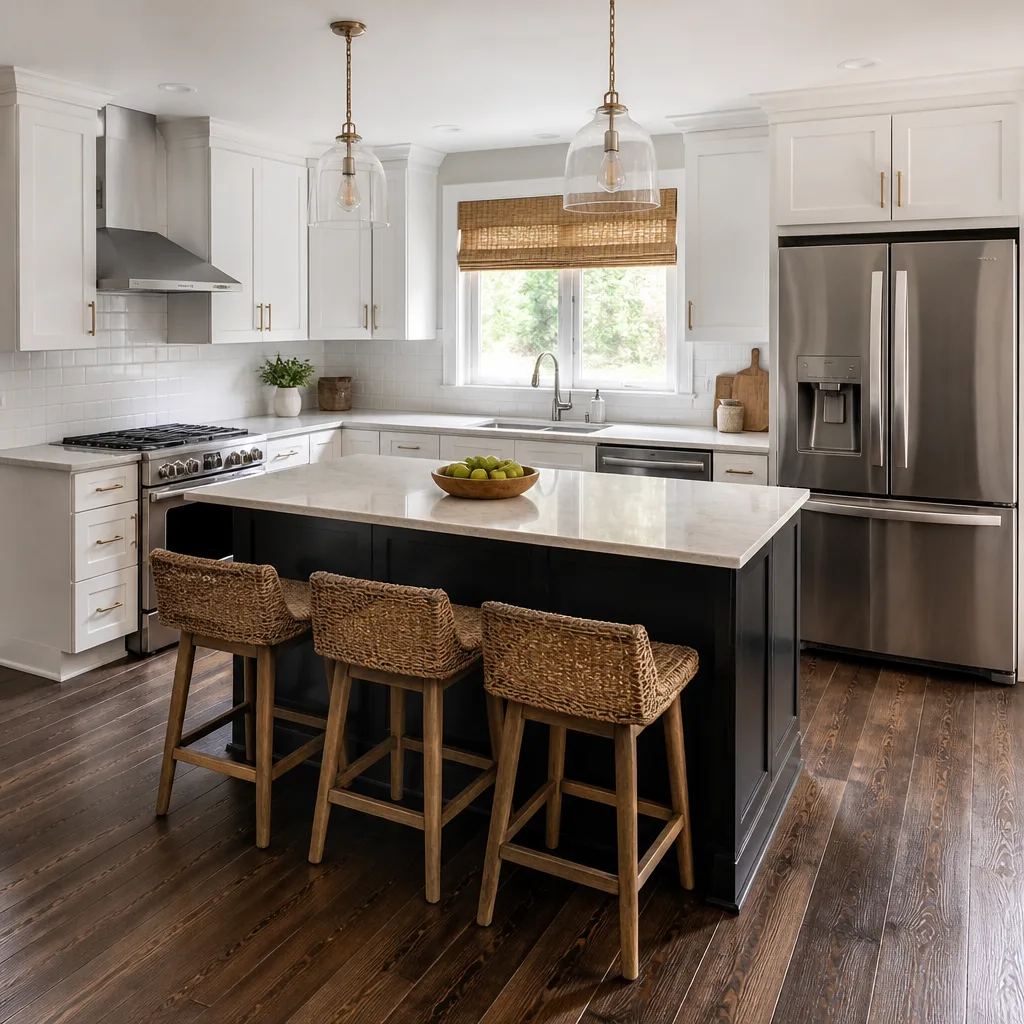 Kitchen remodeling
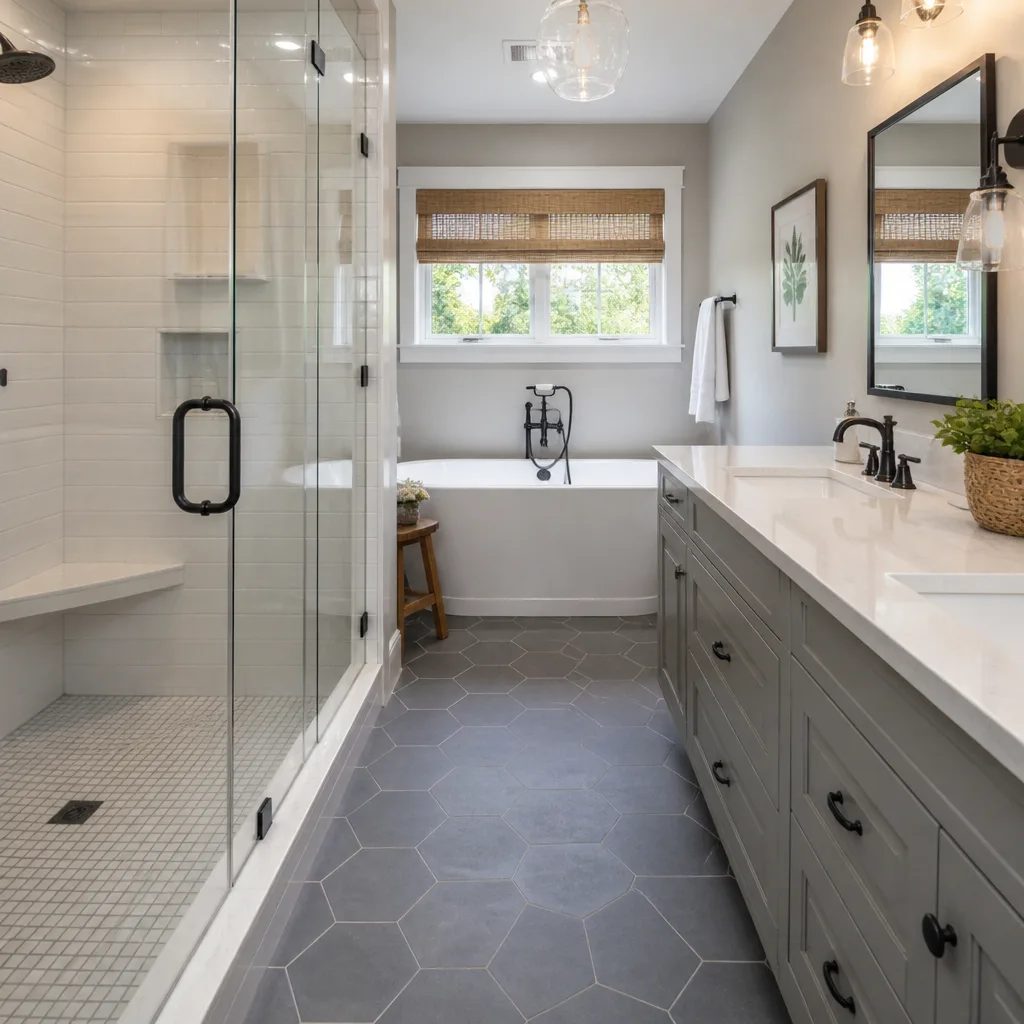 Bathroom remodeling
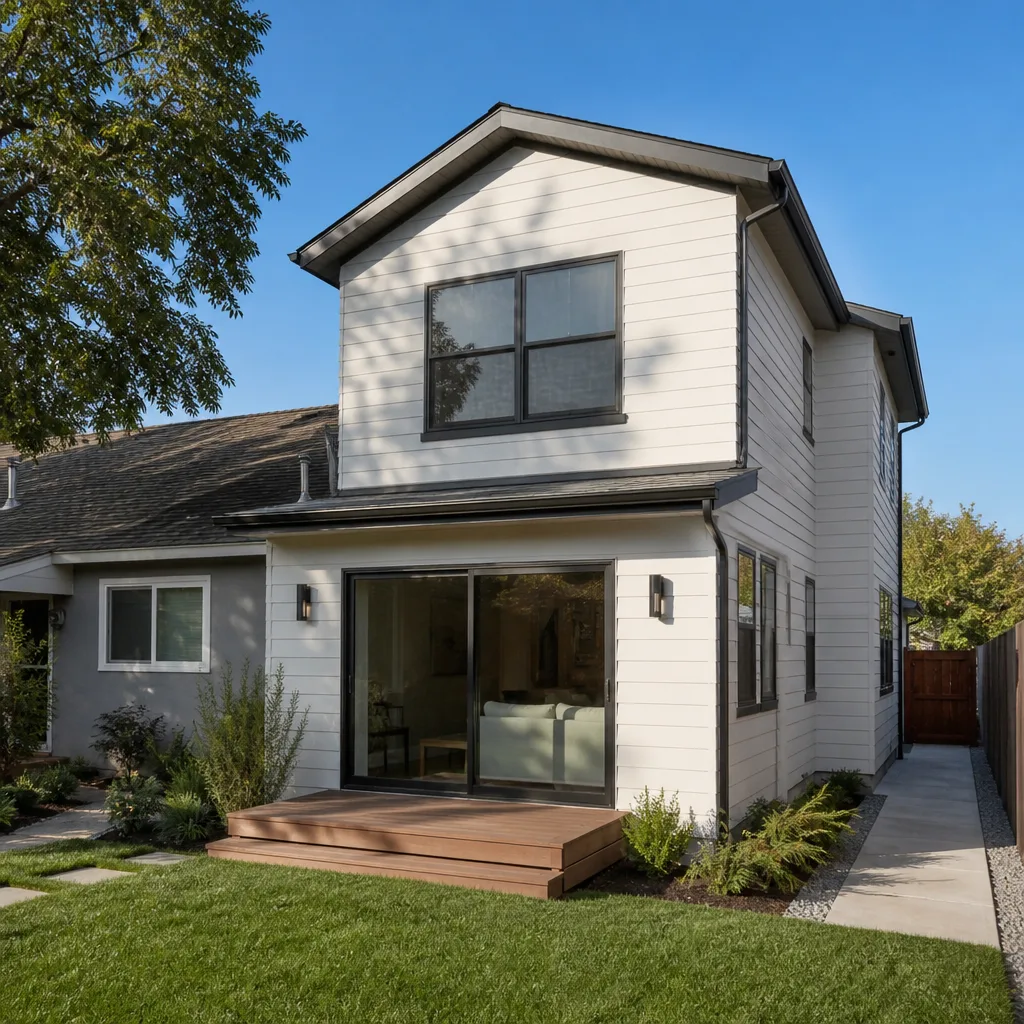 Home additions & ADU
 Roofing
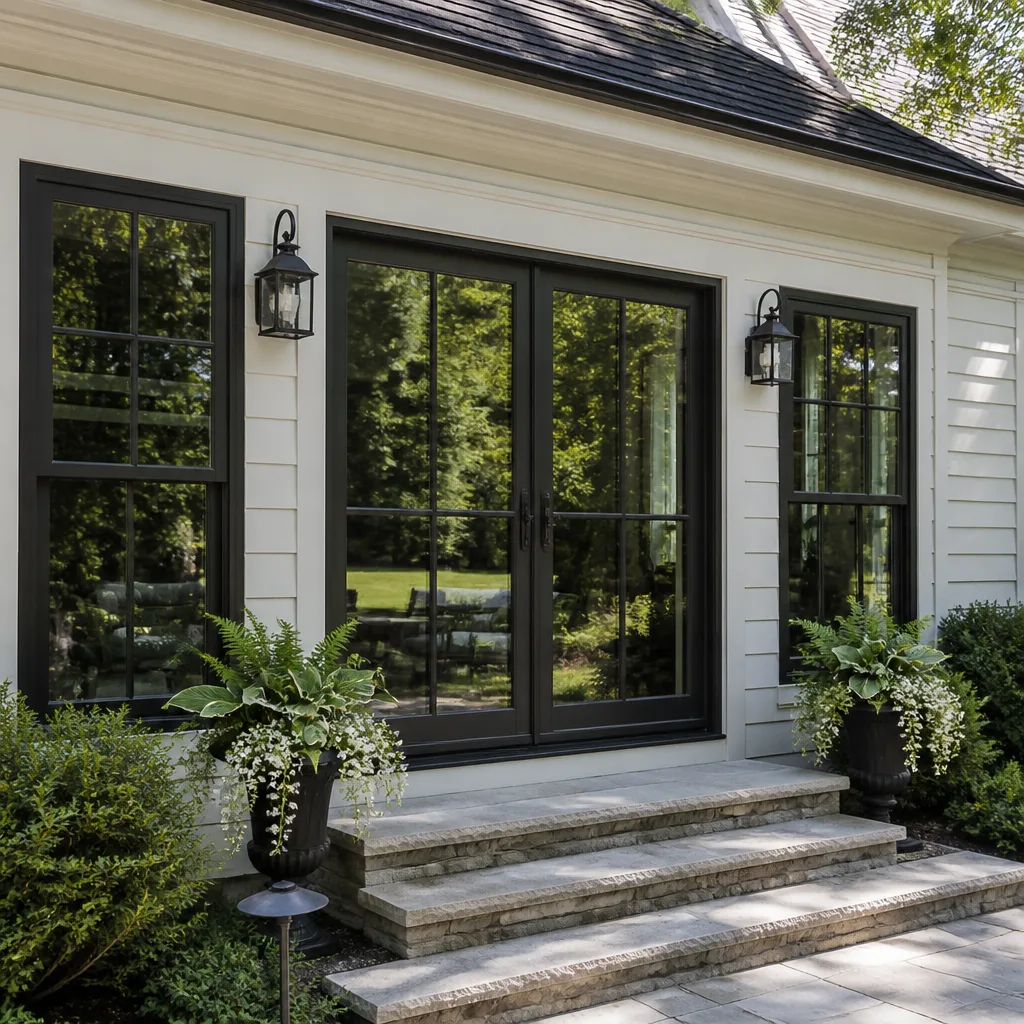 Windows & doors
 Driveway & pavers
 Fence
Free written scope consultation - allowances, timeline, and change-order rules on paper before a single trade is scheduled
Construction Permits, Codes & Inspections in North Miami Beach, FL: What You Need to Know
Most homeowners assume an unpermitted project only becomes a problem if the city catches it. The truth runs the other way: the permit file is the paper trail that proves your roof, addition or impact windows were built to Miami-Dade County standards – and when that trail is missing, your insurance carrier can treat the structure as non-conforming and refuse a claim tied to it. In Miami-Dade County, that risk is real, and it’s the part of the process contractors who suggest “skipping the permit to save time” rarely bring up. This guide walks through how permitting actually works in North Miami Beach – what needs a permit, how the High Velocity Hurricane Zone inspection sequence runs, and what missing paper does to a future sale.
Quick Answer
In North Miami Beach, most structural, roof, electrical, plumbing and mechanical work requires a permit through the City of North Miami Beach Building Department, and the work must meet both the Florida Building Code and Miami-Dade County’s High Velocity Hurricane Zone (HVHZ) requirements. Projects that touch the building envelope – roofing, impact windows and doors, additions, fences over the height limit, and new driveways with a curb cut – all need permits. The permit file is also what your insurer and a future buyer will use to confirm the work was done correctly.
Styles & brands we work with
- Kitchen remodeling
- Bathroom remodeling
- Home additions & ADU
- Roofing
- Windows & doors
- Driveway & pavers
- Fence
Table of Contents
- Why the HVHZ Changes Everything in North Miami Beach
- Which Projects Require a Permit in North Miami Beach
- The HVHZ Roofing Inspection Sequence, Step by Step
- Florida Product Approval vs. Miami-Dade NOA – Which One Wins in NMB
- Realistic Permit Timelines for 2025-2026
- What Unpermitted Work Costs You When You Sell
- North Miami Beach Amendments That Differ From Neighboring Cities
Why the HVHZ Changes Everything in North Miami Beach
North Miami Beach sits inside the High Velocity Hurricane Zone, which is the strictest wind-design region in the Florida Building Code. That designation isn’t a marketing label – it changes what products are legal, how fasteners are spaced, how sheathing is nailed and how inspectors verify the work. A roofing crew that installs “to code” in another part of Florida can still fail an HVHZ inspection in North Miami Beach if the underlayment schedule or the nail pattern doesn’t match the approved product’s installation instructions.
What that means practically:
- Every envelope product – shingles, underlayment, impact windows, doors, skylights – must appear in the Florida Product Approval database or have a Miami-Dade Notice of Acceptance (NOA)
- Installation must follow the product’s published HVHZ method, not a generic method the crew prefers
- Inspectors check the nailing pattern and lateral load connections, not just the finished surface
- Wind mitigation credits on your insurance depend on documented, approved installation
This is why we specify warrantied materials from manufacturers who publish HVHZ-compliant systems – GAF and certain lines of impact-rated openings work here because their installation methods are documented and inspectable. When a homeowner asks why a lower-cost shingle that’s legal three counties north isn’t offered in North Miami Beach, this is the reason. It isn’t preference – it’s code.
The HVHZ rules also affect remodels more than homeowners expect. Opening a wall for an addition, replacing a slider with an impact unit, or installing a new skylight all trigger the same product-approval logic, and the inspector’s job is to confirm the product matches what’s on the plan before the wall closes back up.
Which Projects Require a Permit in North Miami Beach
When a homeowner asks us whether their project needs a permit, we start with the building envelope. Anything that changes the roof, windows, doors, structure, footprint or utility systems is going to require one. Cosmetic interior work usually doesn’t, but “cosmetic” has a narrow definition in North Miami Beach.
Definitely requires a permit
- Any roofing repair or replacement, including partial tear-offs and re-roofs
- Impact window and door replacement, including single-unit swaps
- Home additions, ADUs, garage conversions and any new conditioned square footage
- Kitchen and bathroom remodels that move plumbing, electrical or any wall
- Fence installation above the city’s height limit or installed in a required setback
- New driveways, widened aprons and any change to a curb cut
- Electrical panel replacements, new circuits, gas line work and water heater replacements
Usually does not require a permit
- Interior paint, flooring and trim
- Cabinet refacing that doesn’t touch plumbing or electrical
- Replacing a vanity top, faucet or light fixture in the same location
- Fence repair that matches the existing height and location
The gray zone is where trouble starts. Moving a sink three feet in a bathroom triggers plumbing inspection in North Miami Beach. Replacing a fence panel is fine; raising the fence six inches over the city limit needs a permit and possibly a survey. Ask before you demo, and get the answer in writing. From your driveway to your roofline, if the scope touches the building, assume a permit is required and confirm.
For homeowners tackling more than one project, it’s worth checking whether the projects can be permitted together. A new driveway & pavers installation combined with a fresh fence installation is often reviewed under more than one permit but can move through the building department at the same time – which shortens the overall project calendar.
The HVHZ Roofing Inspection Sequence, Step by Step
Roofing in the HVHZ runs on three inspections, not one. The sequence is fixed, and skipping the middle inspection doesn’t just delay the job – it can leave you with a roof that closes out as non-compliant and a wind mitigation report that shows no credit. Here’s how it typically runs in North Miami Beach:
- Pre-inspection. The inspector confirms the existing deck, dry-in materials and approved product are on site before the crew closes anything in.
- Sheathing nailing inspection. Once the old roof is off and the new sheathing is nailed, the inspector verifies nail type, spacing and pattern against the specific product’s HVHZ installation method. This is the inspection most often skipped when crews “work it in” to a bigger job.
- Dry-in inspection. The underlayment system is checked before roof covering goes down. Underlayment products in Miami-Dade require specific fastening and lap details, and the inspector wants to see them exposed.
- In-progress covering checks. Depending on the product, the inspector may check first courses, edge metal and valley treatment while the covering is going on.
- Final inspection. The completed roof is checked for compliance, and the roof permit is closed out.
What happens if the sheathing nailing inspection is skipped? The permit can’t be closed properly, and the roof effectively sits in a limbo that insurance carriers treat as unverified. Wind mitigation reports rely on documented nailing; without an inspection record, the carrier has no way to grant the credit the roof design should earn. In North Miami Beach, that missing inspection shows up years later on a real estate transaction – not on the day of the roof install.
We build the inspection sequence into the job calendar from day one, because the framing inspection, the dry-in and the final all have schedule consequences. If a homeowner chooses to add an home additions & ADU later, the roof’s inspection record becomes part of the addition’s file, so an incomplete roof permit can hold up an otherwise clean addition.
Florida Product Approval vs. Miami-Dade NOA – Which One Wins in NMB
Homeowners shopping for impact windows quickly discover two different approval systems, and the difference matters. The Florida Product Approval database lists products approved for use throughout Florida. The Miami-Dade Notice of Acceptance (NOA) is a stricter, county-level approval issued for products being installed in the High Velocity Hurricane Zone. In North Miami Beach, the NOA is what the building department wants to see for any product being installed in the HVHZ.
Here’s the practical rule:
- Everything installed in the HVHZ must have a Miami-Dade NOA – even if the product also appears in the Florida Product Approval database
- Florida Product Approval by itself is not sufficient for HVHZ installs in North Miami Beach
- The NOA carries the installation method – and the inspector checks against that method, not a generic one
- NOAs expire – a product approved two cycles ago may need a current NOA for this permit
This is one reason we specify impact-rated openings from manufacturers whose NOAs are current and whose install details we can verify in writing. PGT, CGI and ECO Window Systems publish NOA documentation that travels with the job. When a homeowner asks why a cheaper window can’t be substituted mid-job, the answer is usually that its NOA is missing, expired or covers a different installation method.
Ask any contractor for the NOA number on the product they’re proposing, and check it against the current Miami-Dade database before signing. It’s a one-minute lookup that eliminates a whole category of permit delays.
Realistic Permit Timelines for 2025-2026
Permit review times in North Miami Beach’s building department are moving faster on some project types than on others. Here’s what we see as typical in 2025-2026 – treat these as benchmarks, not promises, because the building department’s queue shifts with volume:
- Simple re-roof with approved product: often 2-4 weeks from submittal to first inspection. Roofs are the fastest path through.
- Impact window and door package: often 3-5 weeks. Whole-house packages run toward the higher end.
- Bathroom remodel with plumbing and electrical: often 3-6 weeks depending on the plan review.
- Kitchen remodel with layout changes: often 4-6 weeks, longer if the plan review comes back with corrections.
- Fence installation: often 2-3 weeks when a survey is provided.
- New driveway with curb cut: often 3-5 weeks – the curb cut and right-of-way review add a step.
- Home addition or ADU: often 6-10 weeks, and the higher end of that range is where the true backlog sits. Plan review, structural calculations and life-safety items all add cycles.
The backlog is clearest on additions and ADUs. That’s partly because plan review on a new structure is inherently slower, and partly because homeowners waiting on a big addition often submit plans before the site survey or structural engineering is complete, which triggers correction cycles. Submitting a clean package on the first pass is the single biggest timeline lever you have.
When you get a quote, ask how long the contractor’s most recent permits have spent in plan review for your project type. If the answer is “it varies,” ask for a range. A good contractor tracks this.
What Unpermitted Work Costs You When You Sell
The moment a buyer’s title company pulls the property file, anything unpermitted becomes visible. North Miami Beach homeowners routinely discover the problem at the worst possible time – after the buyer is locked in, the appraisal is done and the closing date is three weeks out. What follows is usually one of four outcomes:
- The buyer requires the work be permitted retroactively. Retroactive permitting requires drawings, inspections of the existing work, and remedial work to bring the structure into compliance. Costs land on the seller.
- The buyer’s lender will not fund the mortgage on the non-conforming structure. The deal stalls until the file is cleaned up.
- The title insurance policy excludes the unpermitted structure. The buyer’s title insurer rarely covers what isn’t documented.
- The 4-point inspection flags it. Many Florida insurance carriers require a 4-point inspection on older homes. An unpermitted roof, addition or electrical panel becomes an underwriting objection.
Wind mitigation reports are the part homeowners miss. A wind mitigation report earns insurance credits based on documented roof geometry, roof-to-wall connections and product approvals. An unpermitted roof has no inspection record, so the carrier has no basis to extend credit. The lost savings over a single policy period are often more than the permit fee would have been.
Even an unpermitted fence can create a title problem in North Miami Beach when it’s over the city’s height limit or in a setback. The fence is a structure, and buyers’ inspectors check structures.
North Miami Beach Amendments That Differ From Neighboring Cities
The city’s own code layers on top of Miami-Dade County’s requirements in a few places where homeowners moving from Aventura, Sunny Isles Beach or North Miami often get tripped up. Same county, different municipal rules.
Fence height and setbacks
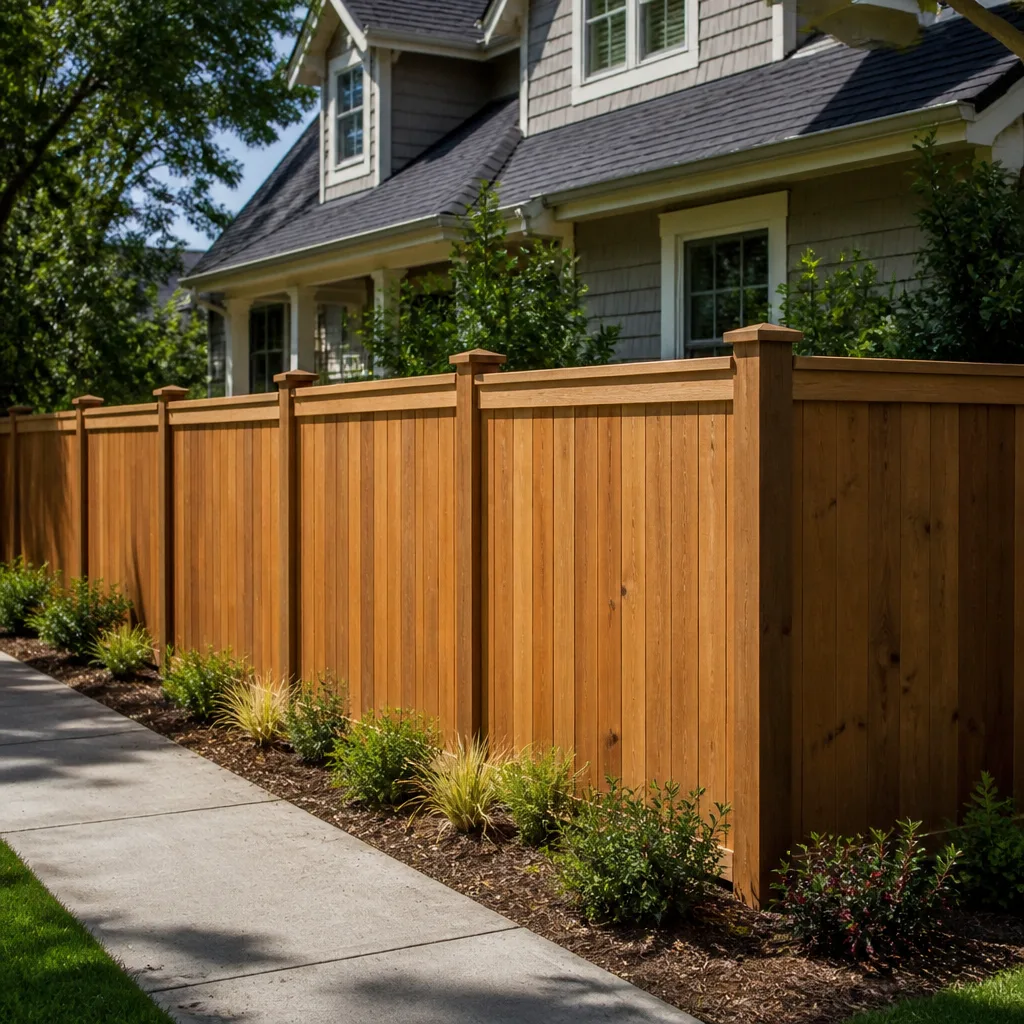
Fence height limits differ by city, and North Miami Beach enforces them with an inspector on site. Front-yard fences often max out lower than backyard fences, and corner-lot properties frequently need to respect sightline triangles at intersections. Fence materials matter too – a Miami-Dade NOA isn’t just a roofing requirement; certain fence systems installed as wind screens have their own approval path.
Driveway aprons and right-of-way
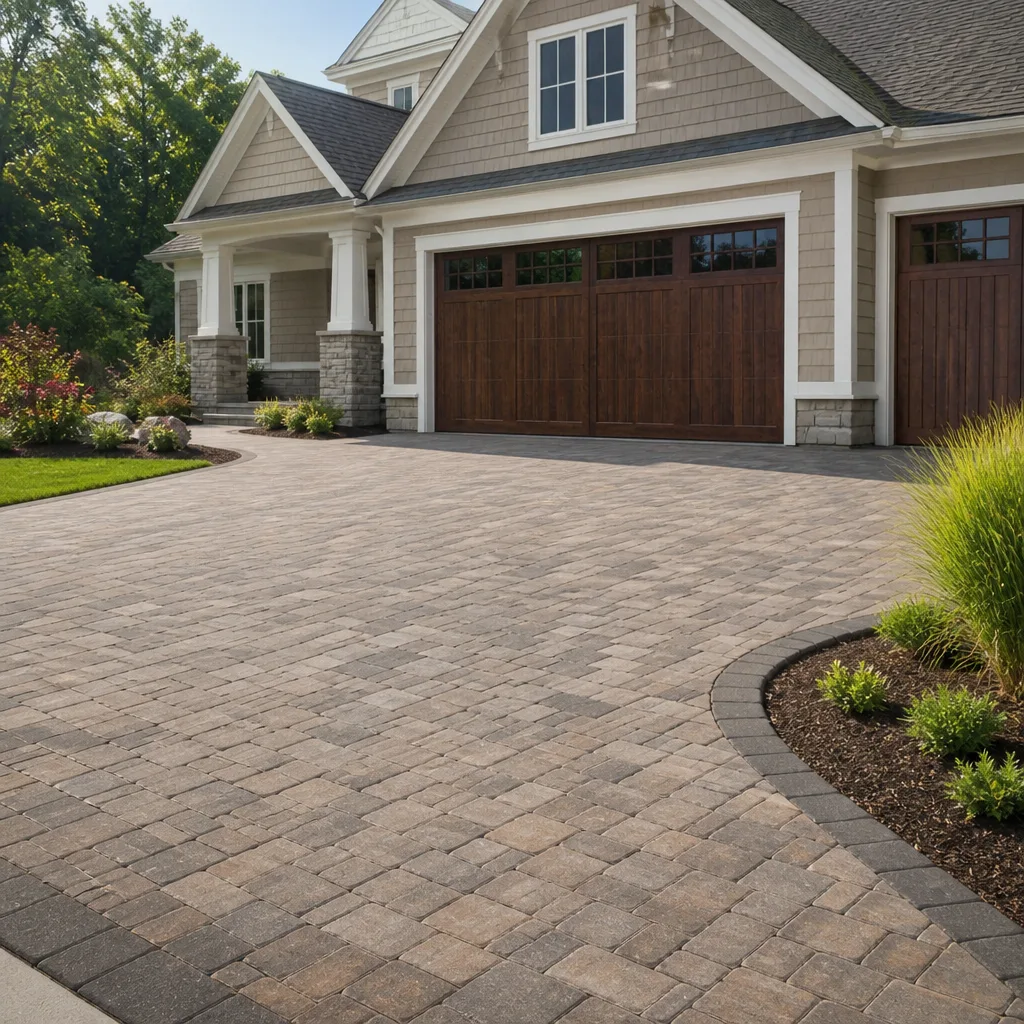
The driveway apron – the section between the sidewalk and the street – is technically public right-of-way in North Miami Beach. Widening an apron, moving a curb cut or changing the driveway’s slope requires a separate review from the standard building permit. We spec our paver work from professional-grade manufacturers like Belgard, Unilock, Tremron and Techo-Bloc, because manufacturer warranties on those products transfer to the homeowner and are only valid when installation follows the published method. Commodity pavers from a big-box store often don’t carry transferable warranty at all.
Addition setbacks and lot coverage
North Miami Beach has area-specific setback and lot-coverage limits, and they’re stricter in some residential blocks than in neighboring cities. A side-yard addition that clears in Aventura may not clear in North Miami Beach. This is one reason our North Miami Beach Construction team verifies zoning before design, not after.
Flood zone requirements
Parts of North Miami Beach fall into FEMA flood zones, and additions or substantial renovations in those areas trigger elevation certificate requirements. A substantial improvement to a flood-zone structure often requires the lowest floor to meet or exceed the base flood elevation. The city enforces this on plan review and re-checks at final.
Common Mistakes to Avoid
- Skipping the sheathing nailing inspection. The roof closes out but the permit file is incomplete – and the wind mitigation report never earns the credit the roof design deserves.
- Accepting a substitute product “just as good” as the one on the permit. If the substitute doesn’t carry a current Miami-Dade NOA with the same installation method, the installation is technically non-compliant even if it looks identical.
- Letting a contractor talk you out of a fence permit. An unpermitted fence that exceeds the city’s height limit is the kind of thing a title company notices at closing, and retroactive permitting is more expensive than the original permit.
- Assuming Florida Product Approval alone meets North Miami Beach requirements. In the HVHZ, the Miami-Dade NOA supersedes it, and the building department will ask for it on inspection.
- Submitting an addition plan before the survey is done. North Miami Beach plan review cycles on incomplete submittals, and each correction cycle can add weeks to the schedule – especially on the project types already in the backlog.
- Widening a driveway apron without a separate right-of-way review. This is one of the most common code issues we see on North Miami Beach properties, and it usually surfaces at resale.
- Leaving a permit open when the job ends. Open permits show on a title search and are treated by lenders and insurers as unresolved code issues.
See the difference
 Before
 After
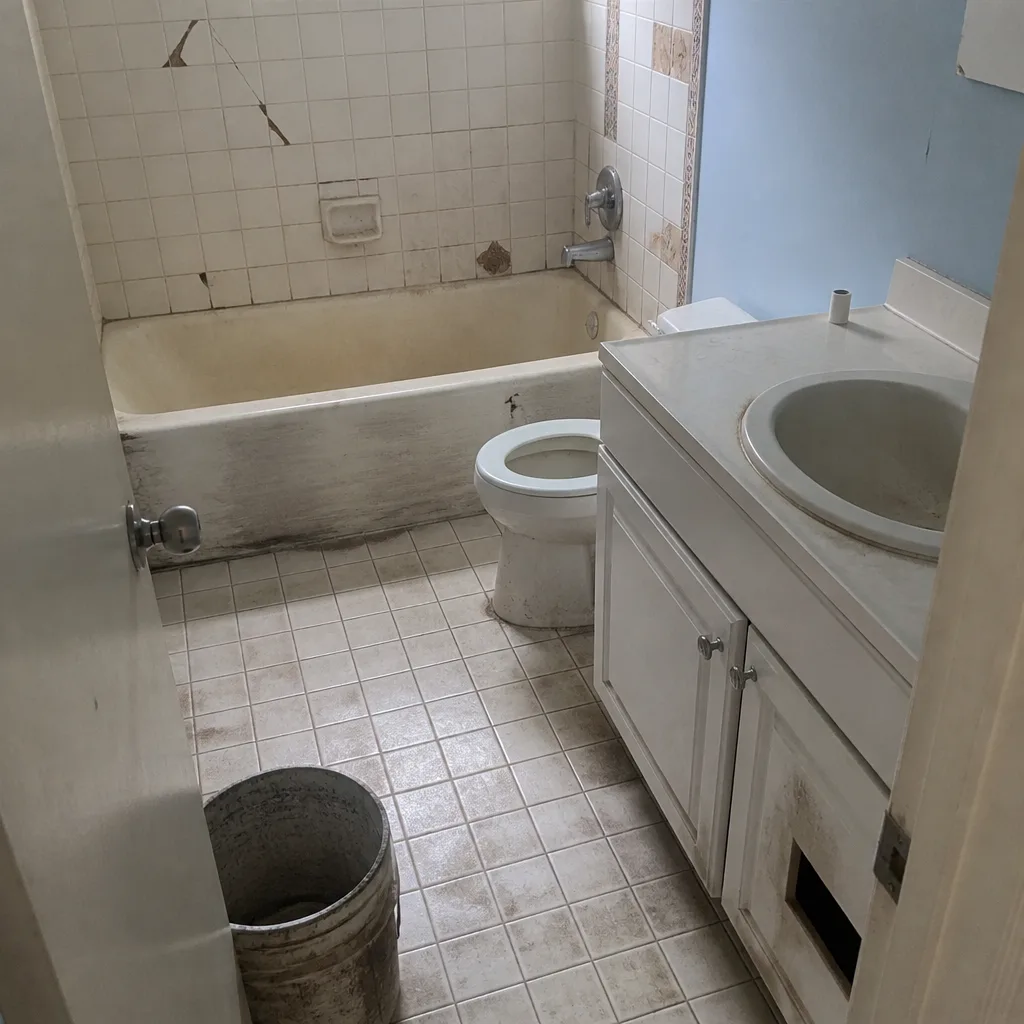 Before
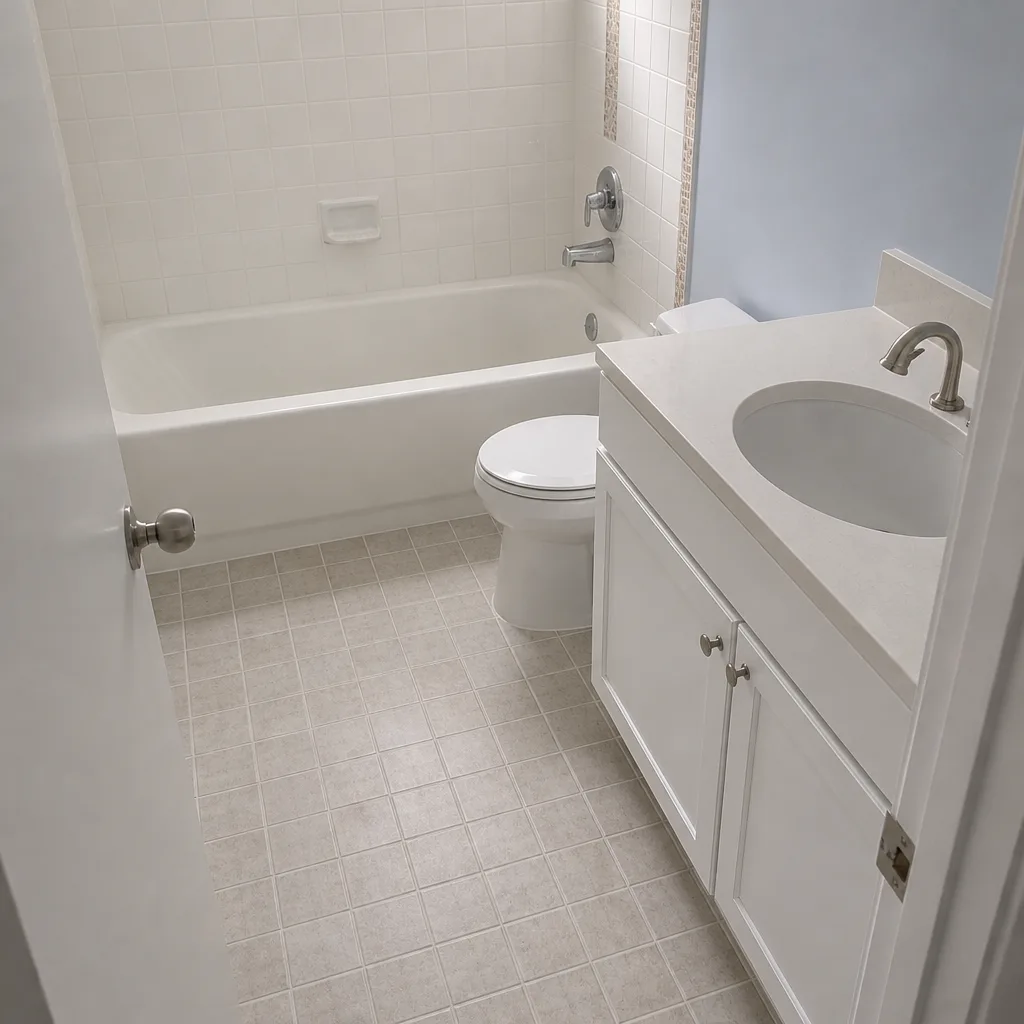 After
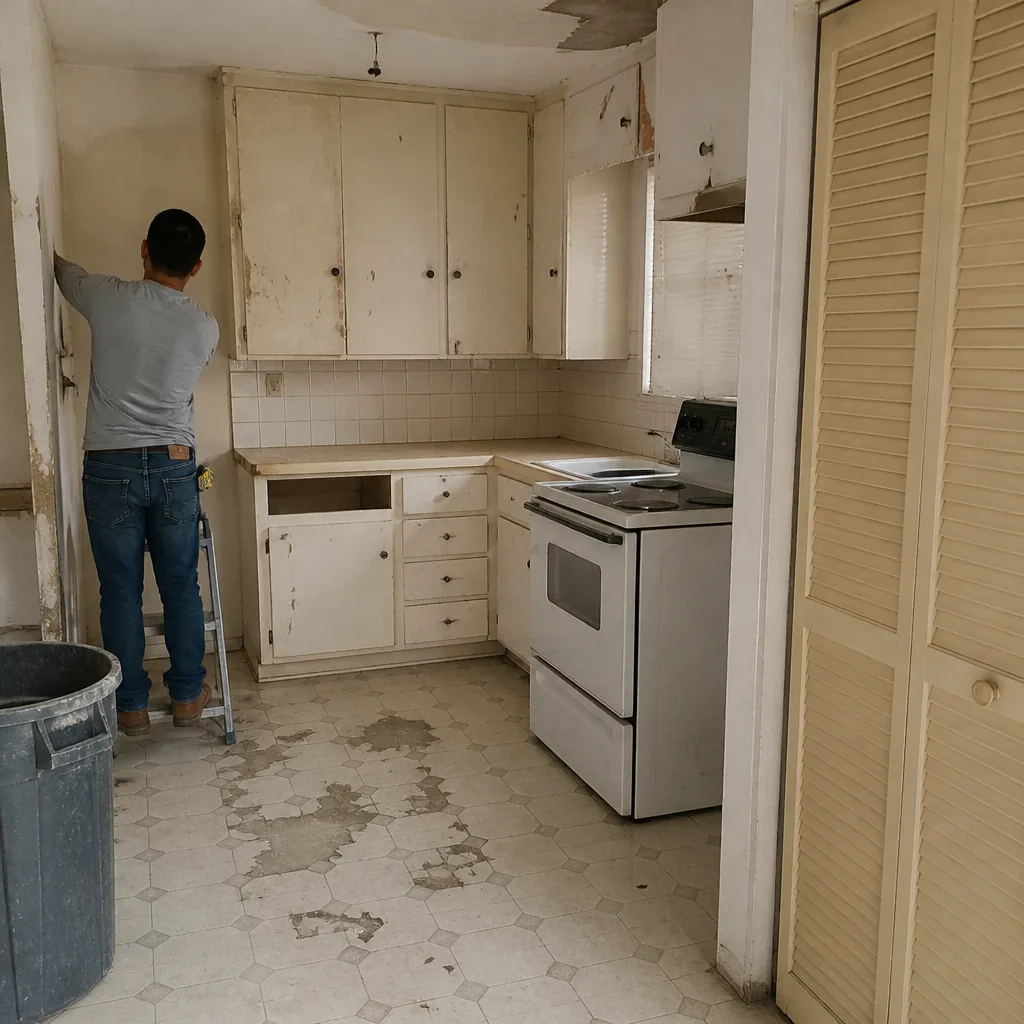 Before
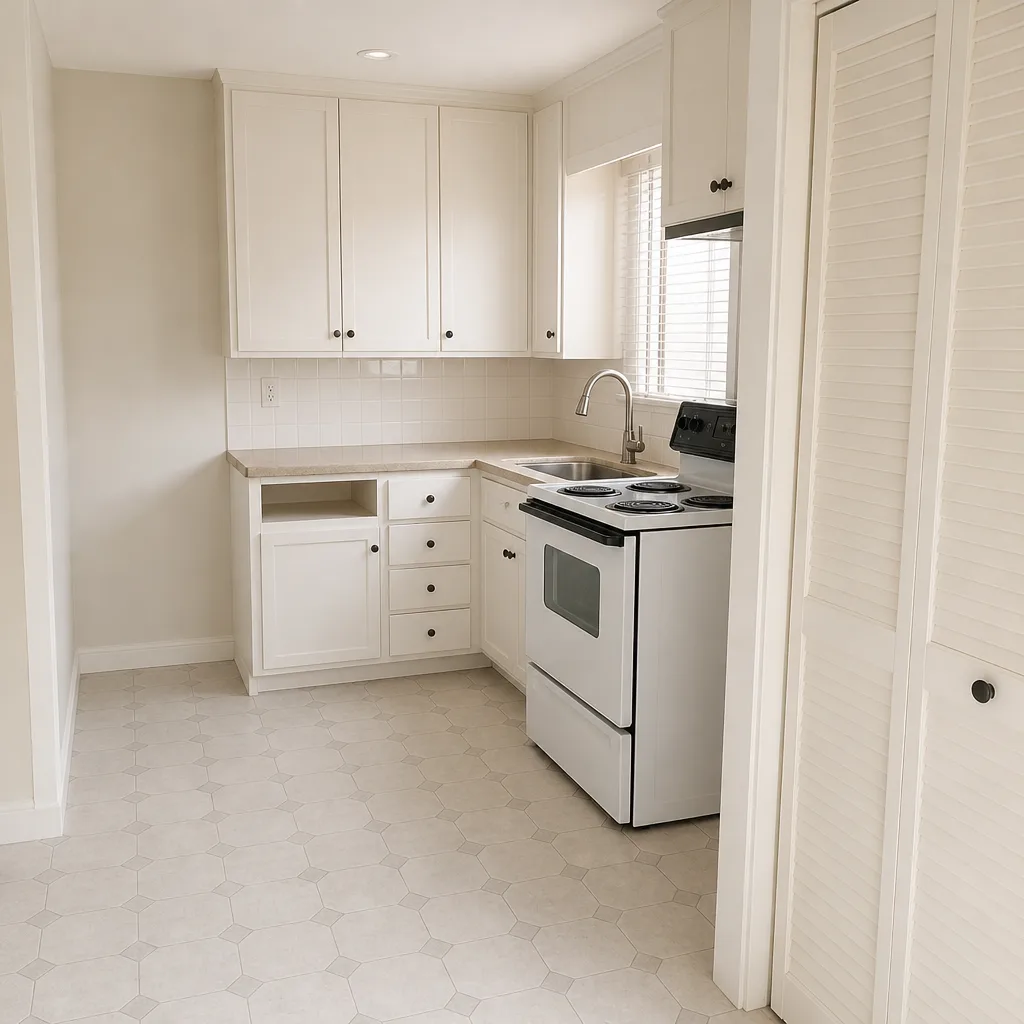 After
When to Call a Professional
If your project touches the roof, windows, door openings, structural walls, plumbing, gas or any element of the building envelope, it needs a permitted, inspected install in North Miami Beach. That includes a “small” impact window swap, a partial re-roof, a bathroom vanity relocation, a fence over the city limit and a new driveway with an apron change. These aren’t jobs where an experienced homeowner can substitute for an inspector, and they certainly aren’t jobs to hand to a contractor who suggests avoiding the permit office. Our technicians have up to 9 years of experience working within the HVHZ and North Miami Beach’s own code layer, and we pull the permits, build the inspection sequence into the calendar and pass the inspections with documentation that survives a future sale.
North Miami Beach Construction offers free estimates in North Miami Beach – call (844) 651-6043. We answer 24/7, with fast dispatch from 7am to 7pm, Sunday through Friday. Written estimates are line-item, so you can see exactly which products and inspections are in the scope.
Frequently Asked Questions
Yes. Any roof replacement or substantial repair in North Miami Beach requires a building permit and the full HVHZ inspection sequence – sheathing nailing, dry-in and final. Skipping any inspection risks the roof closing out as non-compliant with no wind mitigation credit. Call (844) 651-6043 for an exact quote – estimates are free.
Simpler projects typically clear in 2-5 weeks, while additions and ADUs often take 6-10 weeks because plan review on new structures is more involved. A clean submittal with survey and structural engineering in hand is the biggest factor in hitting the lower end of the range. Call (844) 651-6043 for a timeline specific to your project.
Yes. Any impact window or door installed in the HVHZ – including North Miami Beach – requires a current Miami-Dade Notice of Acceptance, and the installation must follow the method in the NOA. Florida Product Approval alone is not sufficient. Call (844) 651-6043 and we’ll walk you through the NOA documentation on any product we propose.
The buyer’s title company will flag it, and the outcomes typically range from required retroactive permitting to a lender refusing to fund the mortgage. Unpermitted work on the building envelope also affects 4-point inspections and wind mitigation reports. Permitting the work before you list is far cheaper than resolving it at closing. Call (844) 651-6043 to sort out the paperwork before it becomes a deal problem.
Yes. The city enforces its own fence height limits and setbacks, and the driveway apron – the section between the sidewalk and the street – sits in public right-of-way that requires separate review when you widen it or change the curb cut. What clears in Aventura or North Miami doesn’t always clear here. Call (844) 651-6043 for a scope review.
The written estimate sets the price, and permits and inspections are built into the scope from day one. If you request a scope change – a different impact product, an additional window, a paver upgrade – that’s a written change order, not a surprise line item. Call (844) 651-6043 to schedule your free estimate.
The Bottom Line
Permitting in North Miami Beach isn’t a bureaucratic hurdle – it’s the parallel quality-control system that protects you from contractors cutting corners on hurricane-rated materials. The HVHZ inspection sequence for roofing exists to make sure your sheathing nailing and underlayment are verified before the roof closes in. The Miami-Dade NOA requirement exists to make sure the product on your opening is the product the building department approved. The city’s own amendments for fences, driveways and additions exist because North Miami Beach’s specific lots and flood zones create conditions that a county-wide code can’t capture alone. When you sell, that paper trail is the difference between a clean closing and a stalled one. Our approach is straightforward: pull the permits, follow the HVHZ sequence, spec warrantied products with current NOAs, and close every permit out at final.
If you’re planning work that touches the building – roof, windows, additions, fences, driveways or a remodel that moves plumbing and electrical – call North Miami Beach Construction at (844) 651-6043 for a free estimate. We answer 24/7, with fast dispatch from 7am to 7pm, Sunday through Friday. Written line-item estimates, permitted and inspected work, and manufacturer-warranted materials are the standard on every job.
Written by the team at North Miami Beach Construction.