
Last updated November 17, 2026
 Home additions & ADU
 Kitchen remodeling
 Bathroom remodeling
 Roofing
 Windows & doors
 Driveway & pavers
 Fence
Free written scope consultation - allowances, timeline, and change-order rules on paper before a single trade is scheduled
DIY vs Professional Construction: The North Miami Beach Homeowner’s Decision Guide
Florida’s owner-builder exemption sounds like a green light for do-it-yourselfers. You own the home, you sign an affidavit, you pull your own permit, and you build. But here in North Miami Beach, that green light has a hard red edge most homeowners never hear about: certain categories of work, most notably roofing inside Miami-Dade’s High Velocity Hurricane Zone, require a licensed contractor by code. A homeowner who installs a perfectly good roof with their own hands still can’t legally pass a final inspection on it. This guide maps exactly where the legal and practical lines fall, project by project, so you know which jobs are genuinely yours to take on and which ones will cost you more in the end.
Quick Answer
In North Miami Beach, cosmetic and finish work like painting, tile, and landscaping is realistic DIY territory under Florida’s owner-builder exemption. Roofing, structural framing, electrical work, and impact window installation are not: HVHZ rules require licensed contractors for these scopes, and self-performed unpermitted work can fail a four-point insurance inspection and force a licensed redo before coverage is reinstated. For anything structural or weather-envelope related, hire licensed.
Styles & brands we work with
- Kitchen remodeling
- Bathroom remodeling
- Home additions & ADU
- Roofing
- Windows & doors
- Driveway & pavers
- Fence
Table of Contents
- What Does Florida’s Owner-Builder Exemption Actually Allow?
- Why HVHZ Rules Change the DIY Math Entirely
- The DIY Viability Matrix: What You Can and Can’t Legally Do
- The Hidden Insurance Cost of Unpermitted DIY Work
- Where Semi-DIY Actually Saves You Money
- How to Test a Project Against North Miami Beach’s Building Department
- Scoping a Multi-Project Renovation Under One Contract
What Does Florida’s Owner-Builder Exemption Actually Allow?
Florida’s owner-builder exemption allows a homeowner to pull a building permit for work on their own primary residence without holding a contractor’s license. That’s the short version, and it’s accurate as far as it goes. What it does not do is give you unlimited scope. The exemption comes with conditions that trip up even experienced DIYers, and those conditions carry real financial weight.
To use the exemption, you generally sign an owner-builder affidavit at the permitting office. That affidavit is a sworn statement, not a formality. It acknowledges several things at once:
- The property is your primary residence, not a rental or investment property you plan to flip.
- You are performing the work yourself or supervising it directly, not hiring unlicensed people to do it under your name.
- You cannot sell or transfer the property within one year of the permit being finalized without disclosing the owner-builder work to the buyer in writing.
- You accept liability for code compliance, inspections, and any defects that arise from the work.
That one-year resale disclosure requirement is the part most people miss. If life changes and you need to sell inside twelve months, you’re legally obligated to disclose that the work was owner-built. Buyers and their inspectors treat that disclosure as a red flag, and it can affect both your negotiating position and how a lender views the property.
The second limitation is jurisdictional. The owner-builder exemption is a state rule, but local building departments interpret and enforce it. In North Miami Beach, the building department applies Miami-Dade County’s HVHZ requirements on top of the state rule, and those requirements prohibit self-performed work in specific categories regardless of who owns the home. If you’re uncertain whether a scope falls inside or outside the exemption, the safest move is a pre-application conversation with the building department before you buy materials. Ask us to walk you through the material options once you know the legal boundary.
Why HVHZ Rules Change the DIY Math Entirely
Miami-Dade County sits inside the High Velocity Hurricane Zone, a regulatory designation that governs how buildings must be constructed to withstand extreme wind. HVHZ requirements aren’t suggestions. They’re codified in the Florida Building Code with a separate, stricter section that applies only to this region, and they reach into materials, fastening patterns, product approvals, and who is permitted to do the work.
For roofing specifically, HVHZ rules require a licensed roofing contractor for installations and replacements. This is where a lot of well-intentioned homeowners get stuck. You can read every installation manual, watch every instructional video, and produce a roof that would pass visual scrutiny, and it still won’t clear a final inspection because the person who installed it wasn’t licensed for that scope. The inspector isn’t evaluating your craftsmanship. They’re evaluating compliance with a code that ties the permit to a license.
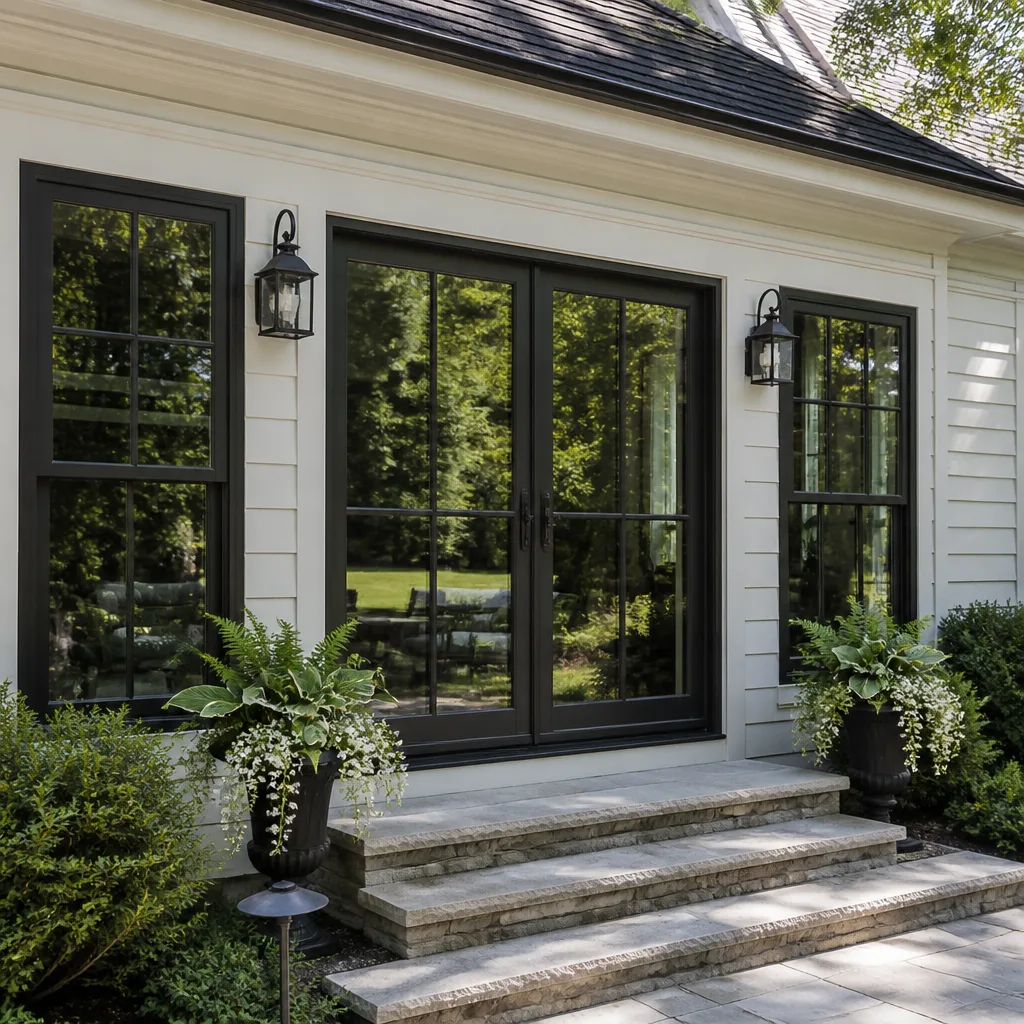
Impact-rated windows and doors fall into a similar category. HVHZ approval means the product itself must be tested, certified, and labeled for the wind zone, and the installation must follow a specific method. Products from Mr-Glass, Therma-Tru, and ViewLux are engineered for these conditions, but the brand on the label doesn’t matter if the install doesn’t match the approval. A non-compliant installation voids the product’s rating and, in many cases, its warranty.
There’s a safety dimension here too. Roofing is steep-slope and height work. Electrical panel work involves live conductors. Gas lines carry fire and explosion risk. Window installation at height involves fall protection and structural anchoring. These are the categories where a trained, licensed professional isn’t a luxury; it’s the baseline. We won’t walk you through the dangerous parts here, because a real expert flags the danger rather than downplaying it. Any task that involves the roof, the panel, structural framing, or the weather envelope should go to a licensed contractor in North Miami Beach.
The DIY Viability Matrix: What You Can and Can’t Legally Do
Not every project is created equal. The table below sorts common work by whether it’s realistic to do yourself in North Miami Beach, keeping the owner-builder rules and HVHZ restrictions in mind. Use it as a first screen, then confirm with the building department.
- Interior painting: Yes. Low risk, no permit, fully within DIY scope.
- Tile work (backsplash, floor tile in dry areas): Yes. Skilled DIYers can produce good results with patience and proper substrate prep.
- Landscaping and planting: Yes. No permit or licensing issue in most cases.
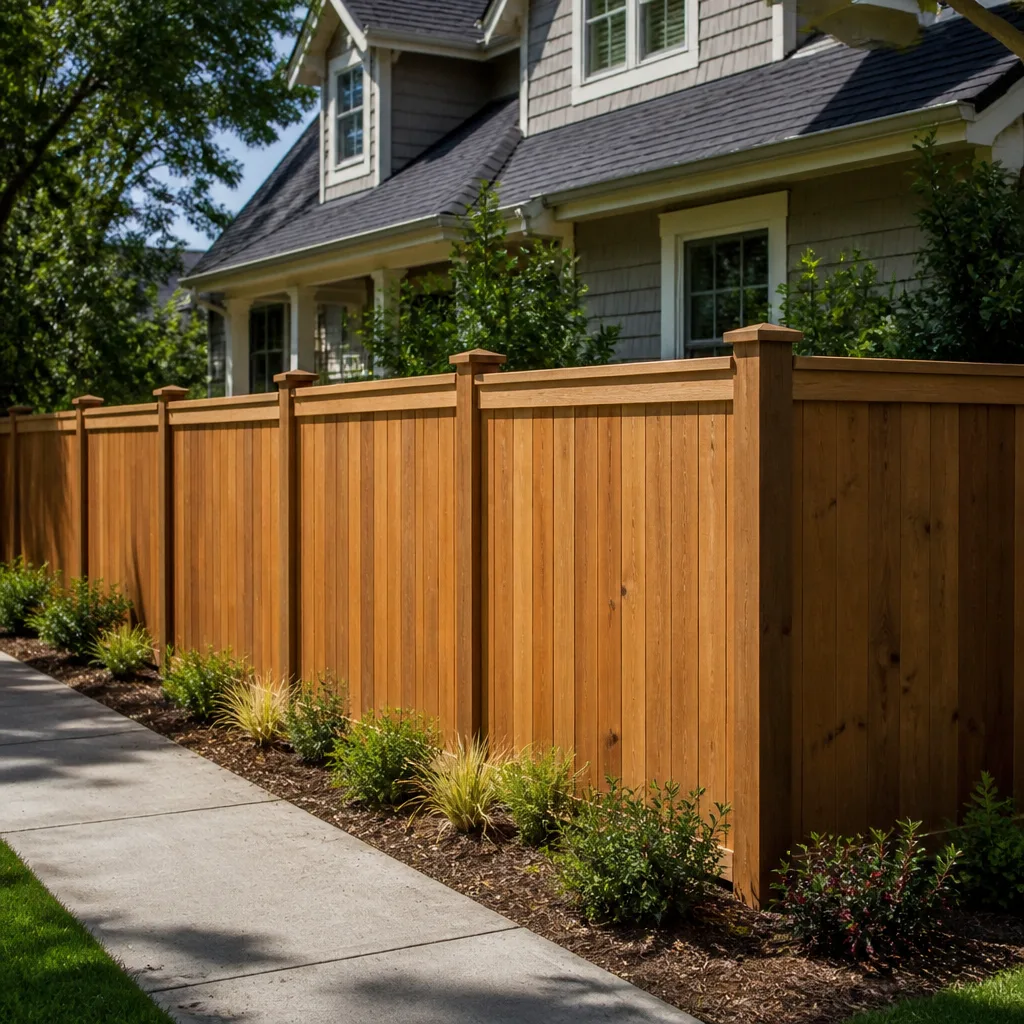
- Fence installation (non-structural, height-compliant): Often yes, but check setback and height rules for North Miami Beach lots before digging. Fencing from Barrette and similar brands is engineered for longevity, but the line placement is a code question.
- Interior trim, baseboards, and door casing: Yes. Cosmetic scope, low risk.
- Minor drywall patching: Yes. Cosmetic scope.
- Roofing (any scope that touches the weather envelope): No. HVHZ rules require a licensed roofing contractor.
- Structural framing and additions: No. Requires licensed contractor and engineering.
- Electrical panel work and any new circuits: No. Licensed electrician required, and dangerous to attempt.
- Impact window and door installation: No. HVHZ product approval and installation method require a licensed installer.
- Gas line work: No. Licensed and dangerous.
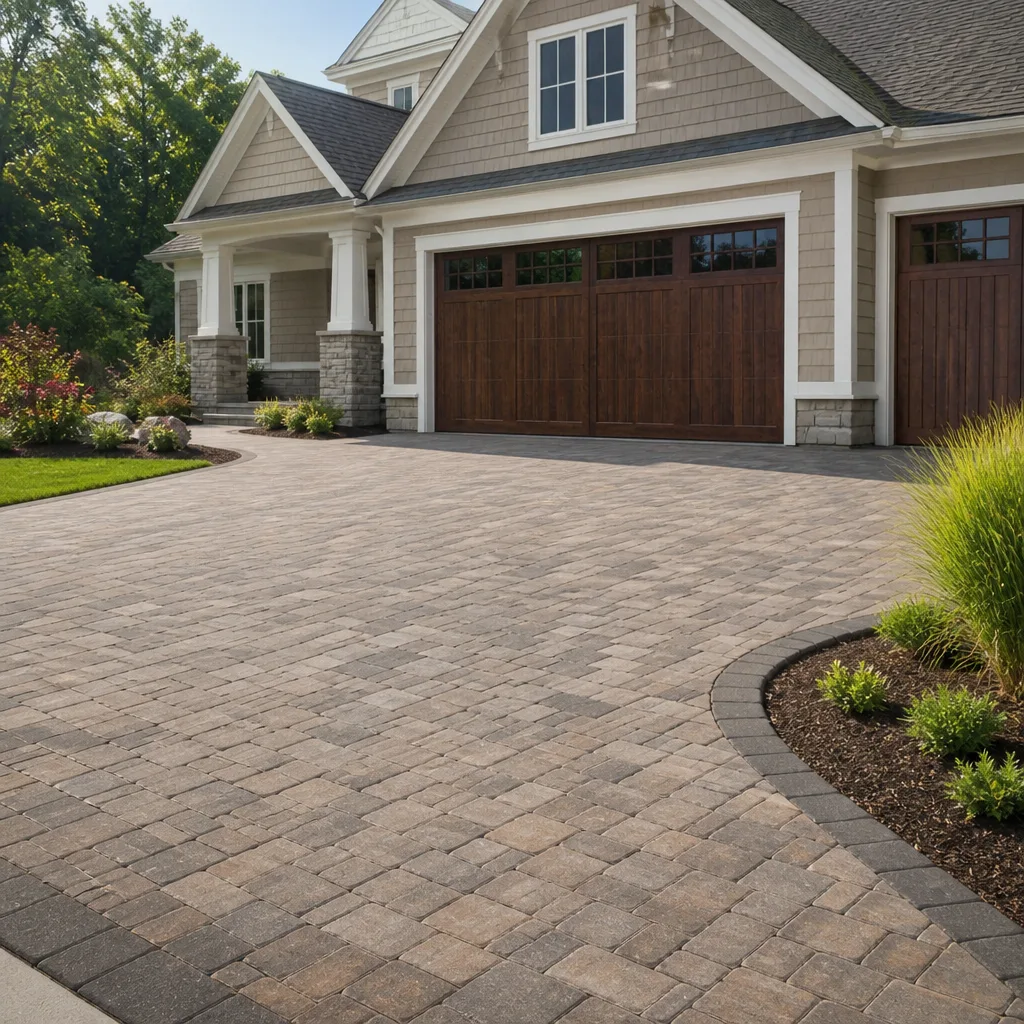
- Driveway and paver installation: Mixed. Small repairs can be DIY; full driveways typically warrant a professional for base prep and warranty transfer.
Notice the pattern. Anything cosmetic stays. Anything structural, electrical, or tied to the weather envelope goes to a licensed professional. The gray area is hardscape. Small paver repairs are within reach for a capable homeowner, but a full driveway involves base compaction, drainage, and material selection that determines whether the pavers stay flat for years or settle within two seasons. For hardscape scope, a contractor who specs product from Belgard, Unilock, Tremron, or Techo-Bloc brings manufacturer warranties that a DIY install won’t carry. If you’re weighing that, take a look at our driveway & pavers work to see what a fully specced install involves.
The Hidden Insurance Cost of Unpermitted DIY Work
Here’s where the DIY math gets genuinely expensive in North Miami Beach. Homeowner’s insurance carriers in South Florida routinely require a four-point inspection on older homes, and that inspection covers the roof, the electrical system, the plumbing, and the HVAC. If the roof was self-installed without a permit or without a licensed contractor of record, the inspector flags it. The carrier can then non-renew the policy or exclude the roof from coverage.
The sequence that follows is ugly. You lose coverage on the roof. You can’t get a new carrier to write the policy without remediation. Remediation means a licensed contractor redoing the work, pulling the permit after the fact (if the building department will allow it, which isn’t guaranteed), and passing inspections that should have happened the first time. You pay twice for the same roof, once for the DIY materials and once for the licensed redo.
The same pattern applies to unpermitted interior work. A bathroom remodel with improperly installed plumbing, or an electrical circuit added without a permit, can show up on inspection and complicate a refinance or sale. Buyers and their lenders treat unpermitted work as risk, and risk costs you money at the negotiating table.
None of this is hypothetical in North Miami Beach. The city sits in a wind-borne debris region, and carriers scrutinize roof age, window ratings, and permit history more closely than carriers inland. A permitted, licensed roof from a GAF, CertainTeed, or Owens Corning certified installation carries a paper trail that a self-installed roof can’t. That paper trail is what keeps your policy active and your premiums stable. The point isn’t to scare you off a project you’re capable of doing. The point is that the true cost of an unpermitted roof or window install in North Miami Beach includes the policy you might lose two years from now, and that cost rarely shows up in the DIY calculation.
Where Semi-DIY Actually Saves You Money
There’s a middle path most homeowners never hear about. A licensed contractor can legitimately allow you to handle certain tasks that don’t touch the licensed scopes, and that reduces your invoice on kitchen and bathroom remodels. The trick is knowing which tasks are genuinely yours to take on without jeopardizing the permit or the warranty.
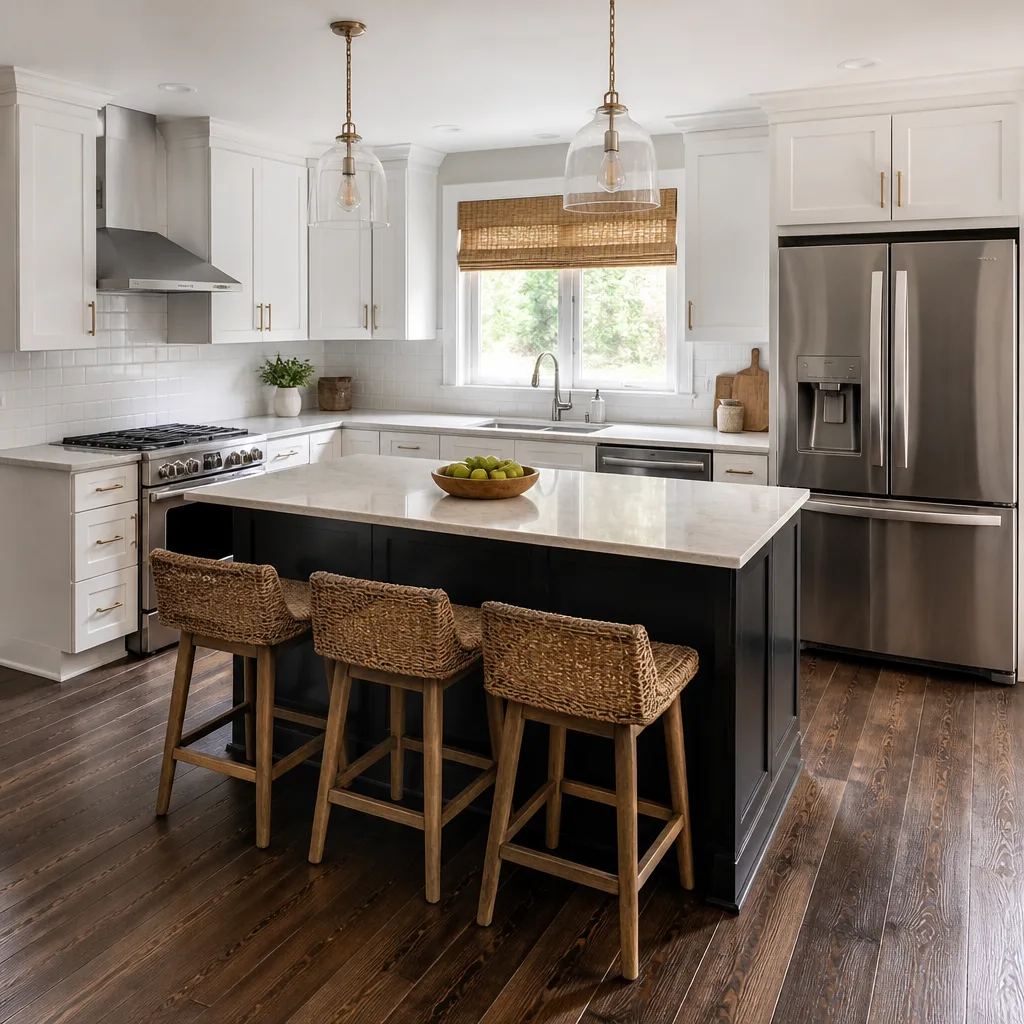
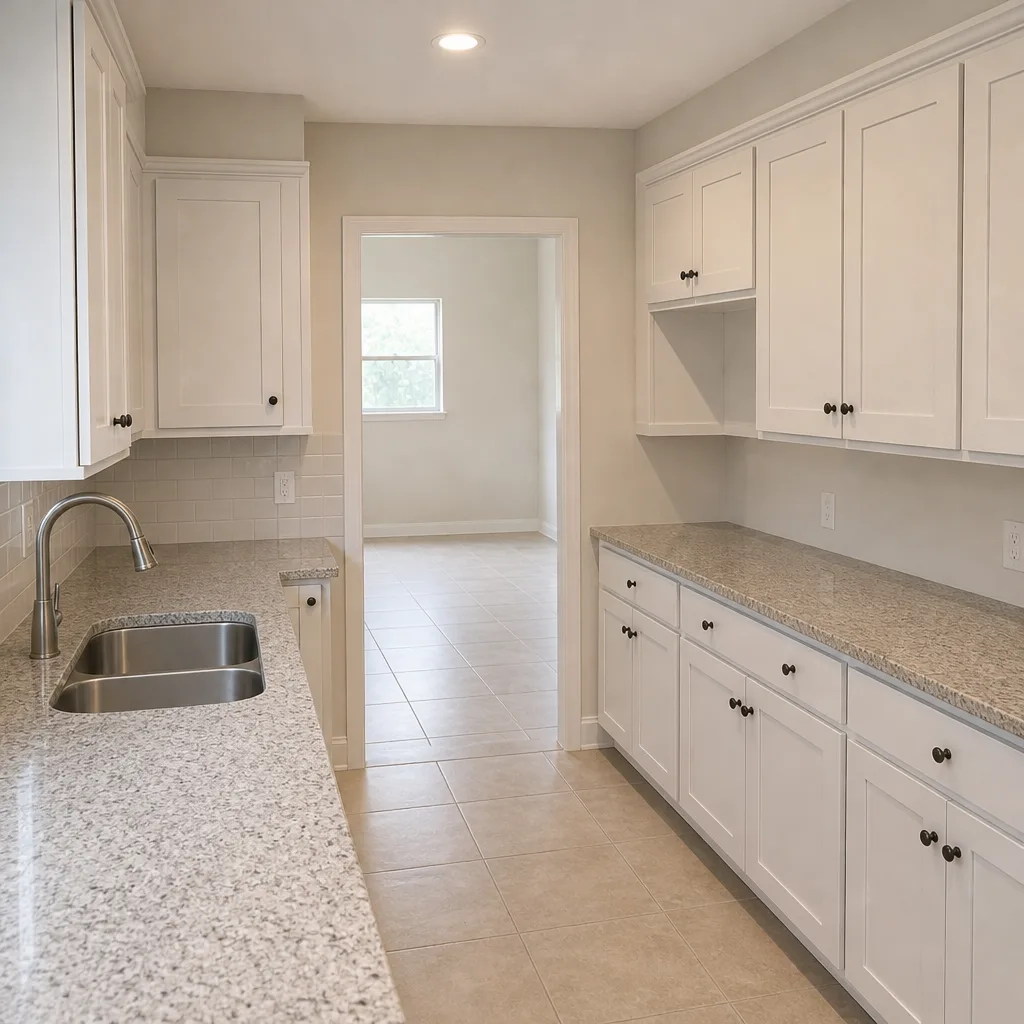
On a kitchen remodel, tasks that commonly reduce labor cost include:
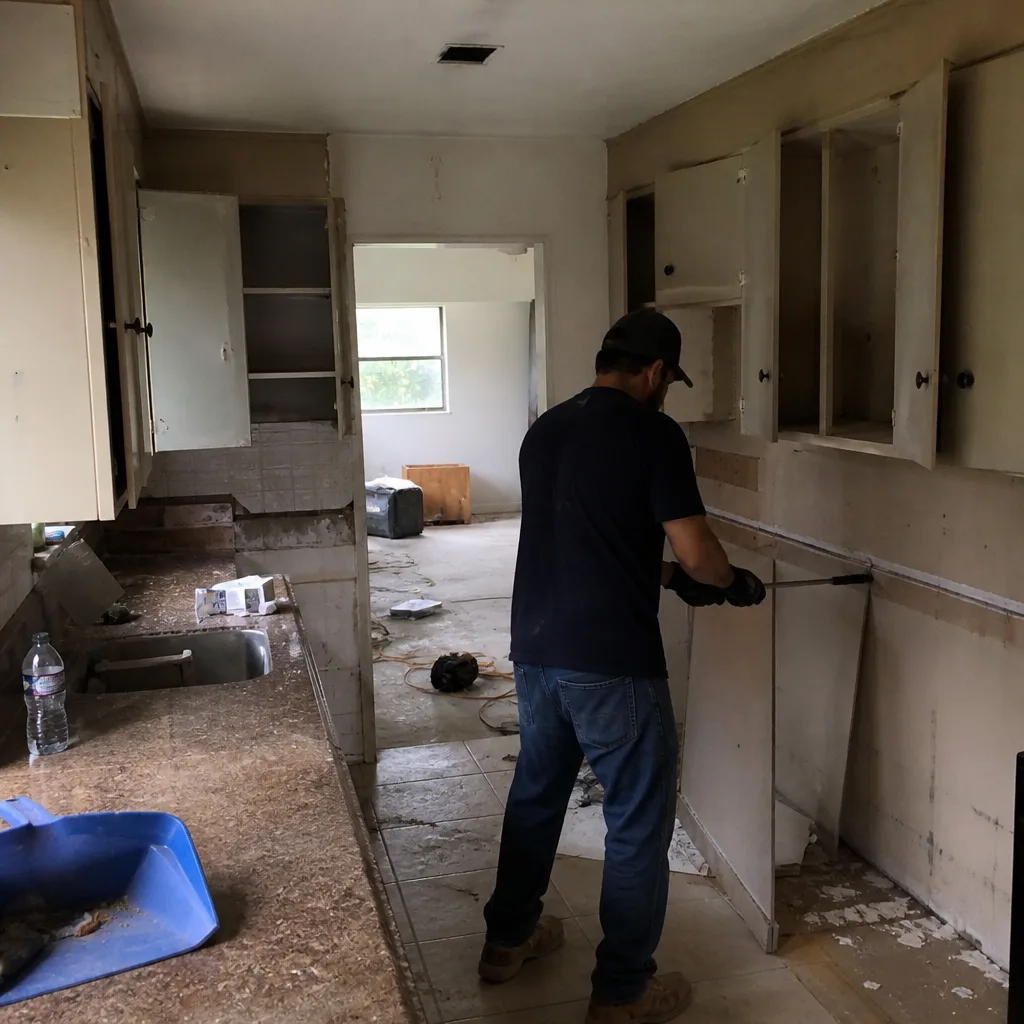
- Demolition and haul-away. Tearing out old cabinets, counters, and flooring is physical work with no licensing exposure. You save the labor hours and the dumpster haul.
- Site prep and protection. Moving furniture, covering floors, and prepping the work area before the crew arrives.
- Painting and finish work. Once the licensed trades finish, interior painting is yours.
- Hardware installation. Cabinet pulls, towel bars, and similar finish hardware are within DIY scope.
- Selecting and procuring materials. Sourcing your own tile or fixtures where the contractor allows it, as long as the contractor approves the product for the application.
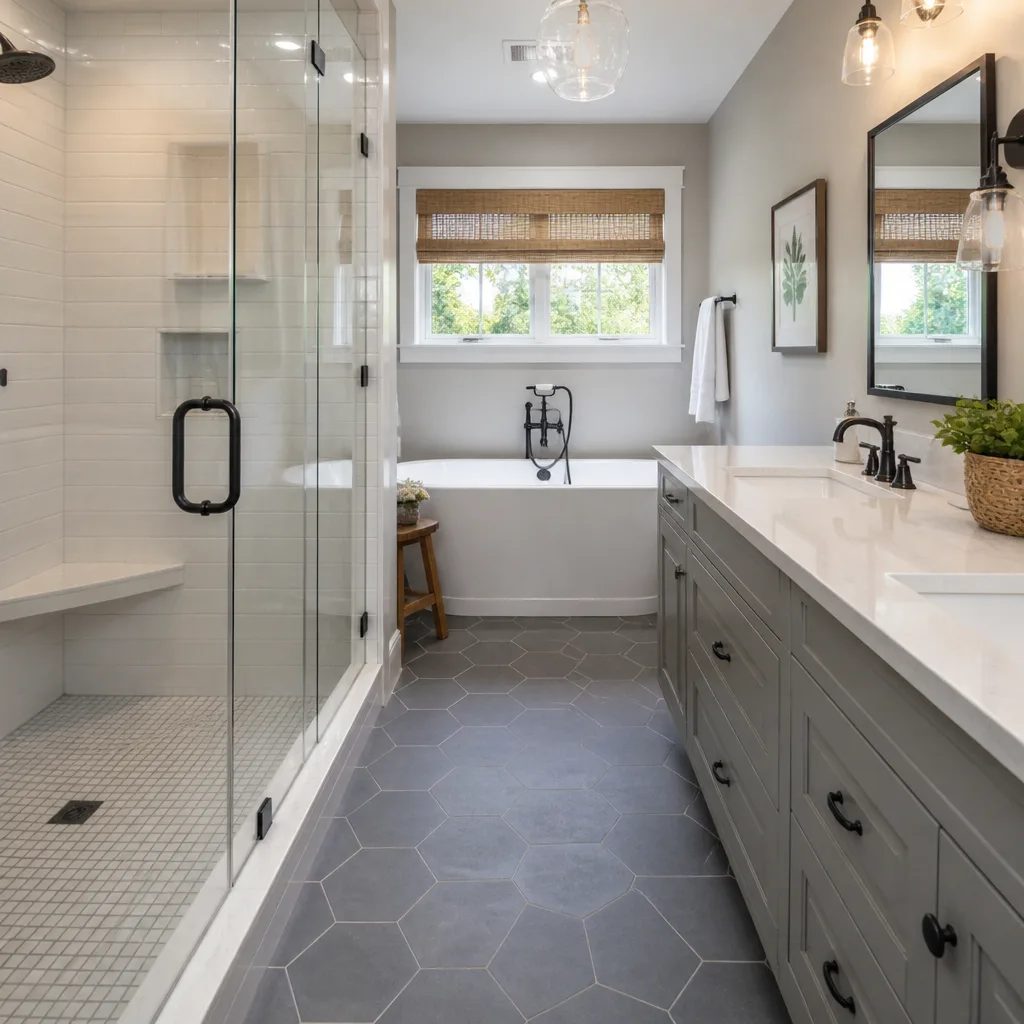
What a licensed contractor will not let you do is anything that touches the permit scope: electrical rough-in, plumbing rough-in, structural changes, and the installation of impact windows or doors. On a bathroom, similar rules apply. You can demo, haul, and paint. You can’t rough in a shower valve or run a new circuit.
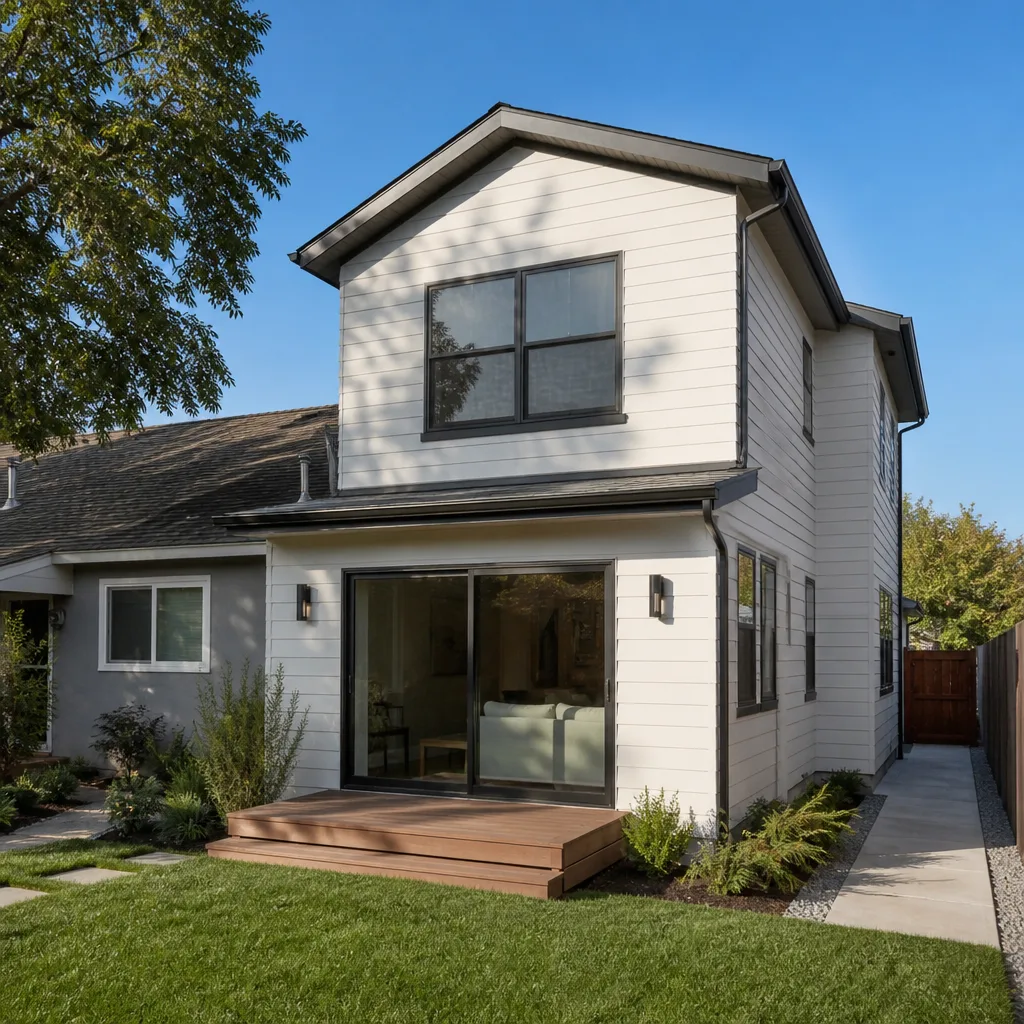
For larger projects like additions, the semi-DIY window narrows considerably because every phase is licensed. Where a North Miami Beach homeowner can save real money is in choosing between traditional stick-built construction and prefab or modular. Partners like Abodu, Dvele, Mighty Buildings, and Boxabl offer a fast-track path that compresses the timeline compared with a fully custom build. If you’re considering that route, our home additions & ADU page covers how the two methods compare in scope and timeline.
How to Test a Project Against North Miami Beach’s Building Department
Before you commit a single dollar to a DIY plan, run it through the building department. North Miami Beach’s permitting process includes a pre-application conversation that lets homeowners ask directly about scope, licensing requirements, and inspection expectations. That conversation is the single most useful hour you can spend before a project.
Here’s how to run the test:
- Write down the exact scope. Be specific. “Replace bathroom floor tile” is different from “remodel bathroom.” The scope determines the permit and the licensing requirement.
- Identify the licensed scopes. Ask directly which parts of the scope require a licensed contractor. Roofing, electrical, plumbing, structural, and impact openings are the usual answers.
- Ask about the owner-builder affidavit. Confirm what it covers, what it excludes, and the one-year disclosure requirement.
- Ask what inspections will be required. Rough-in inspections, final inspections, and any HVHZ-specific product approvals.
- Ask whether the scope is approvable at all if you self-perform. Some scopes simply aren’t, regardless of the affidavit.
- Get it in writing where you can. A written summary of the licensing requirements is your best defense if a scope question comes up later.
If the building department tells you a scope requires a licensed contractor, that’s the answer. Don’t look for a workaround. The workaround usually shows up two years later as a failed inspection or a non-renewed policy, and the cost of fixing it exceeds whatever you saved by self-performing. If the scope is genuinely yours, the department will tell you that too, and you can proceed with confidence. When licensing is required, line up the licensed contractor early so the permit-holder is named on the application. Our North Miami Beach Construction team handles permits and inspections as part of scoped work, which keeps the paper trail clean.
Scoping a Multi-Project Renovation Under One Contract
Most North Miami Beach homeowners who call us aren’t working on a single project. They’re weighing a roof replacement plus new windows plus a kitchen, or a bathroom remodel plus a fence, or an addition plus a driveway. When the scope crosses multiple trades, the DIY-versus-hire question gets more complicated because the answer changes per trade. You might legitimately handle the fence and the interior paint, and the roof, windows, and electrical all require licensed professionals.
This is where the single-contract model earns its place. When a licensed contractor holds all the permits across the seven residential trades we handle, you get one point of contact, one schedule, and one inspection sequence. There’s no juggling a roofer, a window installer, and a separate electrician, each blaming the other when a final inspection fails. The work is warranted at the material level and at the labor level, and manufacturer programs from GAF, CertainTeed, and Owens Corning run alongside the workmanship warranty.
Brand-name specification matters here because it lets you verify before you sign. Cabinetry from KraftMaid and Wellborn, surfaces from Cambria, Silestone, and Caesarstone, and fixtures from Kohler, Moen, Grohe, and Toto are all products you can look up, read reviews on, and compare against the alternatives. Impact openings using PGT, CGI, and ECO Window Systems are certified for this climate, and hardscape from Belgard, Unilock, Tremron, and Techo-Bloc carries manufacturer warranties that transfer to you. Fencing from Barrette, Master Halco, Ameristar, and similar commercial-grade lines is engineered for longevity. Ask us to walk you through the material options and you’ll see the difference between specified materials and whatever happens to be cheapest that week.
If your project also includes fence work, our fence installation page covers what the code review looks like for North Miami Beach lots. The point across every trade is the same: licensed scope goes to licensed hands, and the parts you can legitimately self-perform reduce your invoice without exposing you to a failed inspection later.
Common Mistakes to Avoid
- Assuming the owner-builder exemption covers everything. It doesn’t. HVHZ rules exclude roofing and impact openings from self-performed scope, and the building department will reject a final inspection regardless of craftsmanship.
- Skipping the pre-application conversation. North Miami Beach’s building department will answer licensing questions before you commit. Not asking is the most expensive way to learn the answer.
- Ignoring the one-year resale disclosure. If you self-perform under the affidavit and then need to sell inside twelve months, you must disclose it. That disclosure costs you at the negotiating table.
- Letting a self-installed roof or impact window go unpermitted. A four-point inspection will flag it, the carrier can non-renew, and the licensed redo costs more than hiring upfront.
- Buying materials before the scope is confirmed. Products from spec-brand lines are warrantied only when installed per the manufacturer’s method. A product that doesn’t match the approved installation voids the warranty.
- Treating cosmetic and structural scope as one project. These have different rules, different risk, and different timelines. Sorting them early keeps the legal picture clear.
- Taking on electrical or gas work because it “looks simple.” Panel work and gas lines are dangerous and require a licensed trade. This is the category where the DIY savings never justify the risk.
See the difference
 Before
 After
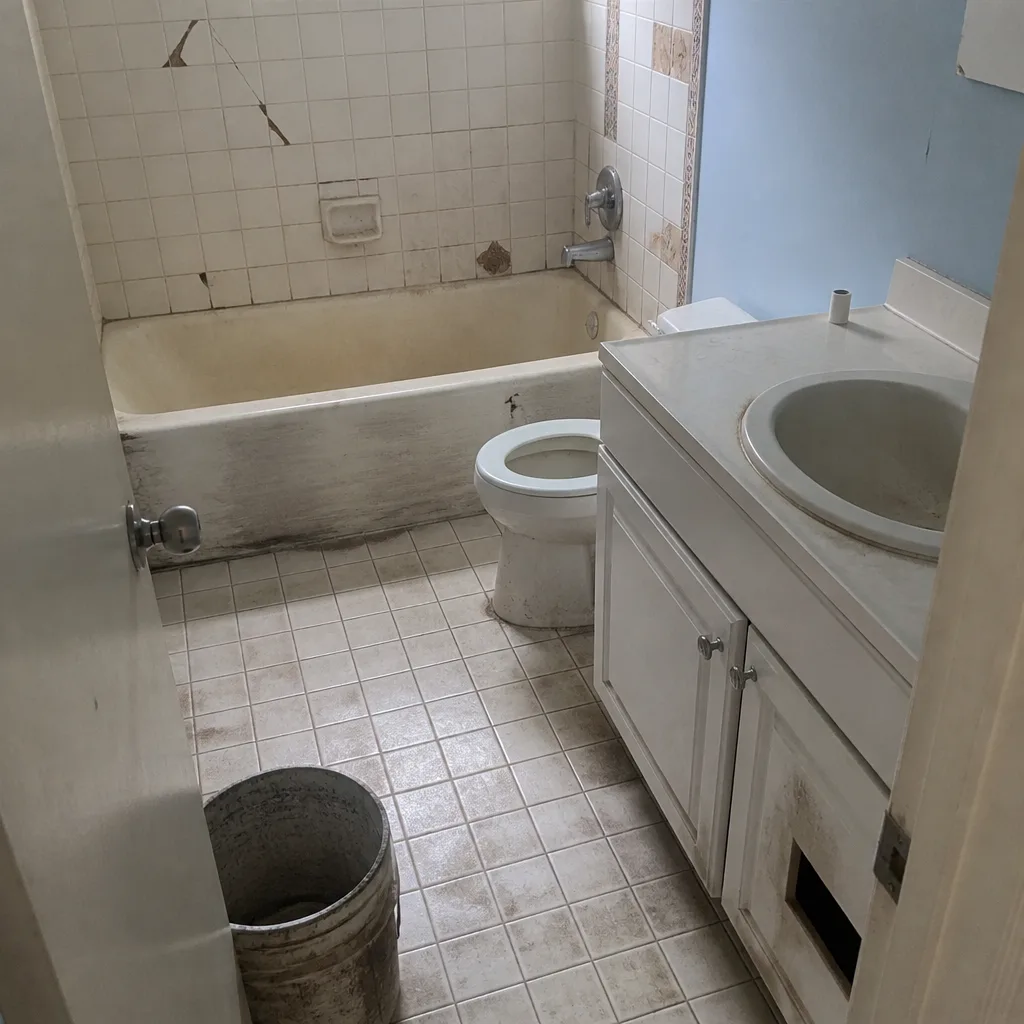 Before
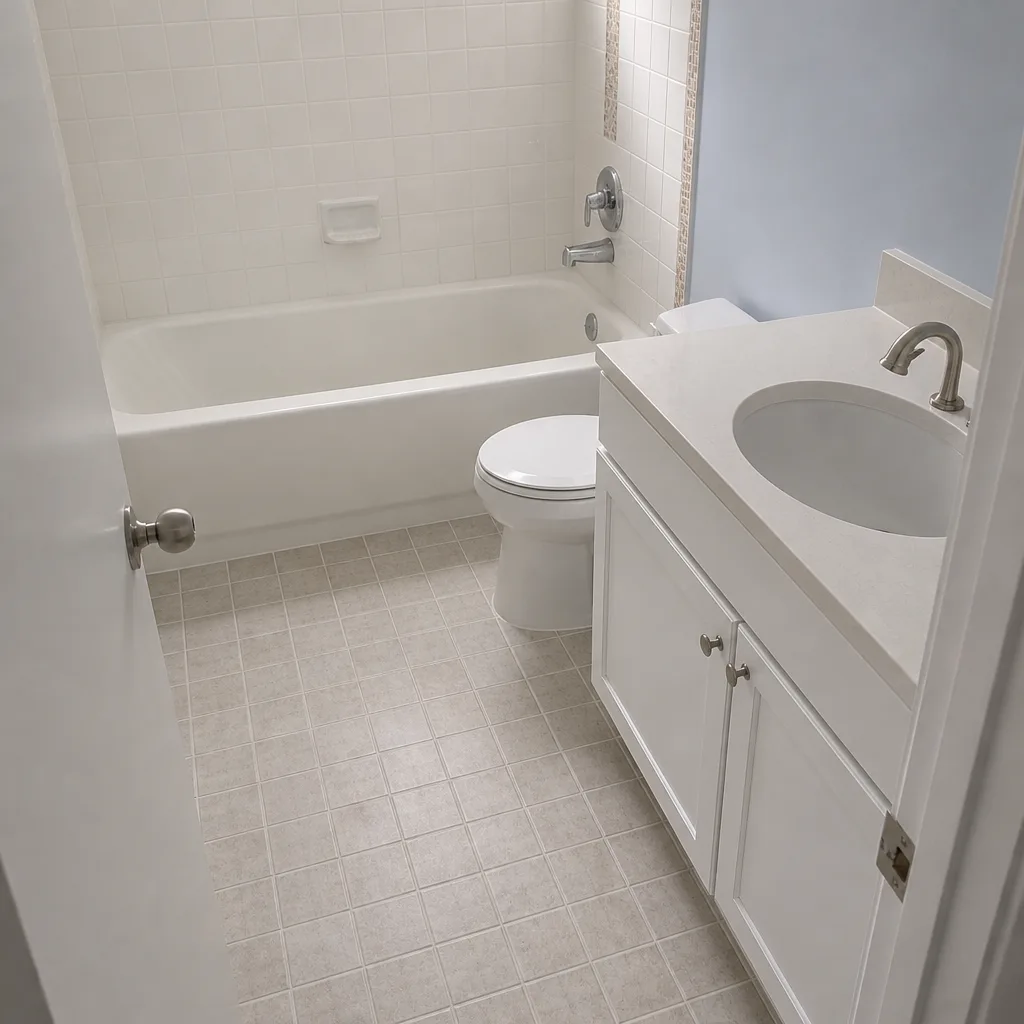 After
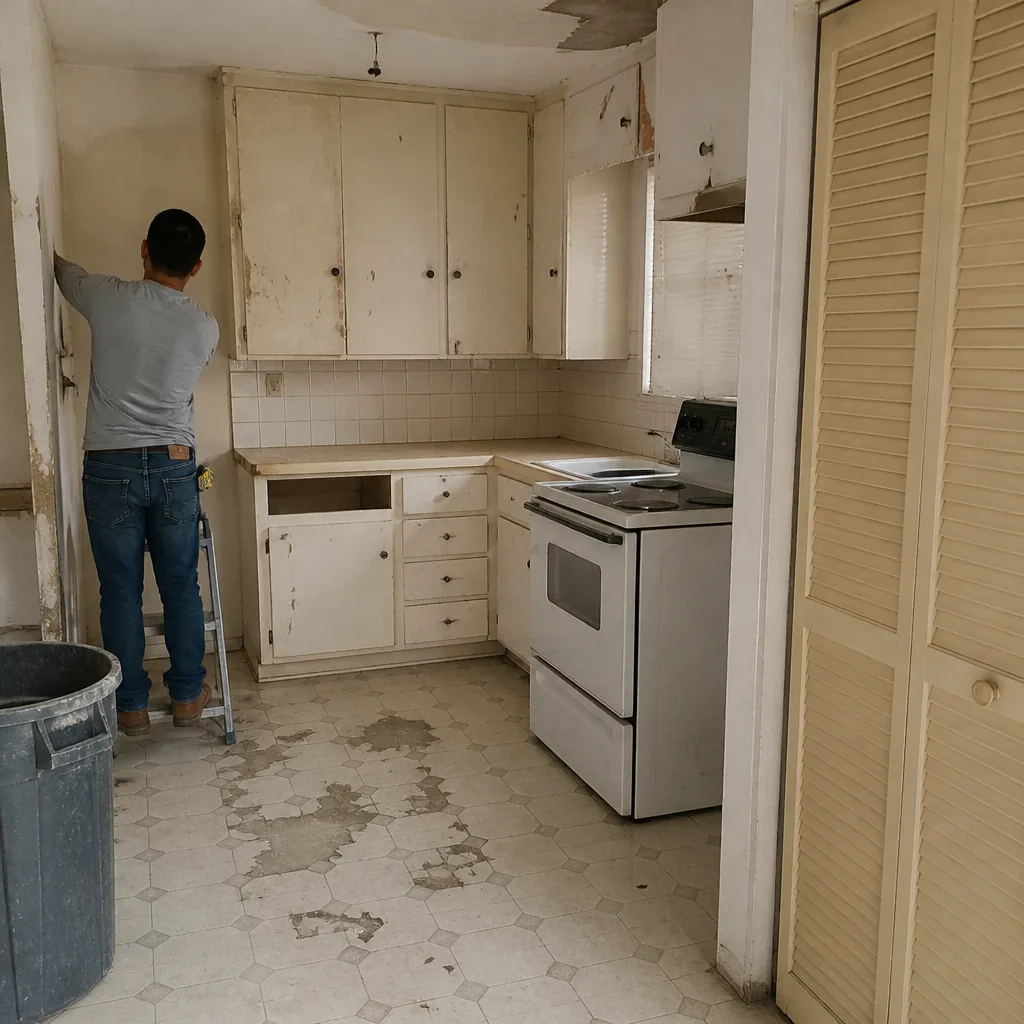 Before
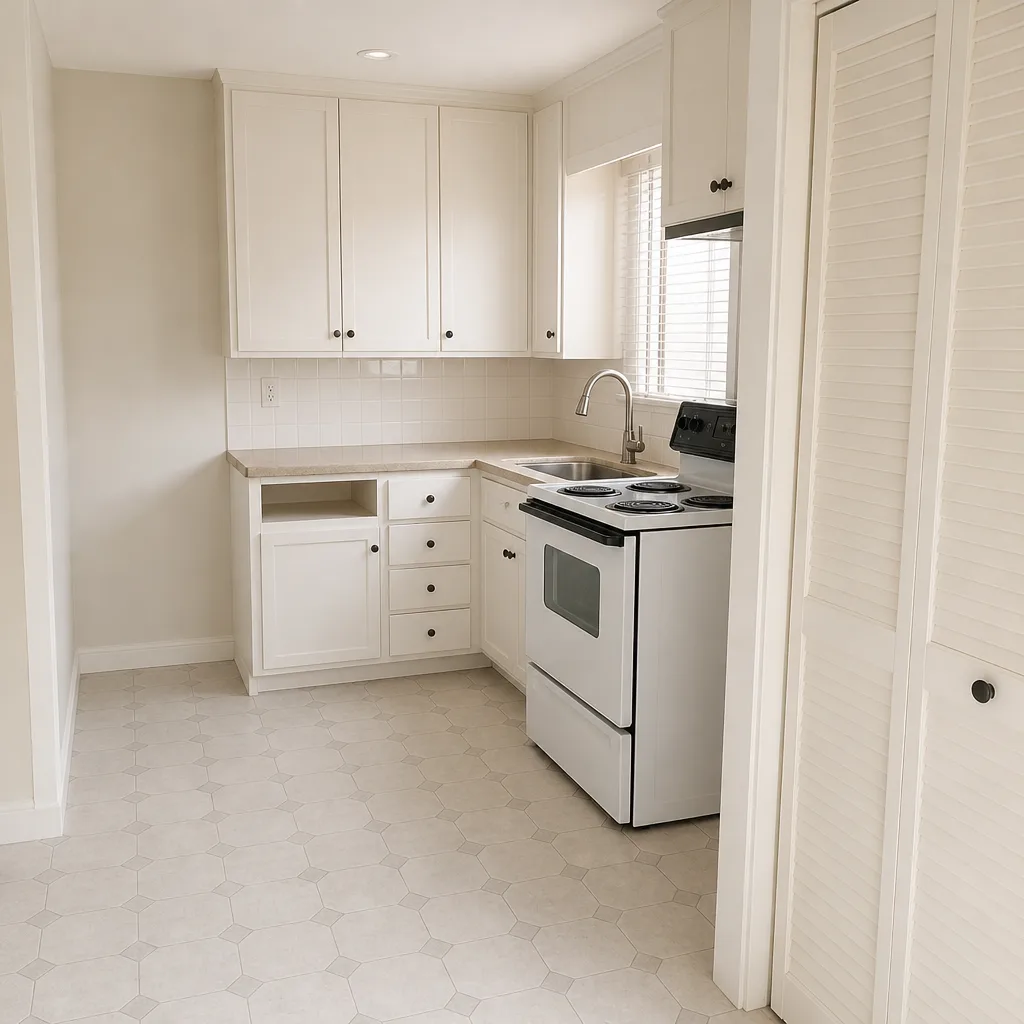 After
When to Call a Professional
Call a licensed professional when the scope touches the roof, the weather envelope, the electrical system, the plumbing rough-in, the gas line, or the structural frame. Call when the project involves an addition or ADU, when you’re installing impact windows or doors, or when an inspection has flagged an unpermitted scope that needs to be brought into compliance. Call when you’re weighing a multi-trade renovation and want the permits, the schedule, and the inspection sequence handled under one contract. North Miami Beach Construction offers free estimates in North Miami Beach. Our technicians have up to 9 years of experience across the seven trades we handle, and we specify warranted brand-name materials at every stage. Call (844) 651-6043 to schedule your free estimate. We answer 24/7. Fast dispatch from 7am to 7pm, Sunday through Friday.
Frequently Asked Questions
Yes, under Florida’s owner-builder exemption, provided the property is your primary residence and you sign the owner-builder affidavit. The exemption does not cover HVHZ-restricted scopes like roofing and impact openings, which require a licensed contractor. Confirm the exact scope with the North Miami Beach building department before you apply. Call (844) 651-6043 if you want a licensed contractor to handle the permit and inspections instead.
No. HVHZ requirements in Miami-Dade County mandate a licensed roofing contractor for roof installations and replacements, regardless of the quality of the work. The inspector evaluates licensing compliance, not craftsmanship, so a self-installed roof cannot pass a final inspection. A licensed install from a GAF, CertainTeed, or Owens Corning certified contractor is the only compliant path. Call (844) 651-6043 for a free roofing estimate.
The carrier can non-renew your policy or exclude the affected scope from coverage, especially if a four-point inspection flags an unpermitted roof or electrical change. Getting coverage reinstated usually requires a licensed contractor to remediate the work, pull the permit, and pass inspections, which costs more than hiring upfront. Call (844) 651-6043 to talk through remediation before you commit to a fix.
No. HVHZ product approval and installation standards require a licensed installer, and a non-compliant install voids the product’s rating and often its warranty. Products from Mr-Glass, Therma-Tru, and ViewLux are engineered for this climate, but the product rating only holds when installed to the approved method. Call (844) 651-6043 for a free window and door estimate.
Yes. Demolition, haul-away, site prep, and finish painting are tasks a licensed contractor can legitimately let you handle on kitchen and bathroom remodels, and doing them reduces your labor invoice. What you cannot do is touch the permitted scope: electrical rough-in, plumbing rough-in, structural work, and impact openings stay with the licensed trades. Ask us to walk you through the split on your specific project. Call (844) 651-6043 for a free estimate.
Run it through the building department’s pre-application conversation. Write down the exact scope, ask which parts require a licensed contractor, and get the answer before you buy materials or commit to a plan. If the department says a scope requires a licensed professional, that’s final. Call (844) 651-6043 if you’d like a licensed contractor to look at the scope with you.
The Bottom Line
The DIY-versus-hire decision in North Miami Beach comes down to one question: does the scope touch a licensed trade? Cosmetic work like painting, tile, and landscaping is yours. Anything structural, electrical, or tied to the weather envelope requires a licensed contractor under HVHZ rules, and self-performing it can cost you coverage, a final inspection, or a full licensed redo. The smart approach is to run every project through the building department’s pre-application conversation, self-perform the finish work you’re capable of, and hire licensed for the rest. When you’re ready to scope the licensed portion, call (844) 651-6043 for a free estimate. We answer 24/7. Fast dispatch from 7am to 7pm, Sunday through Friday.
Written by the team at North Miami Beach Construction.