
Last updated November 17, 2026
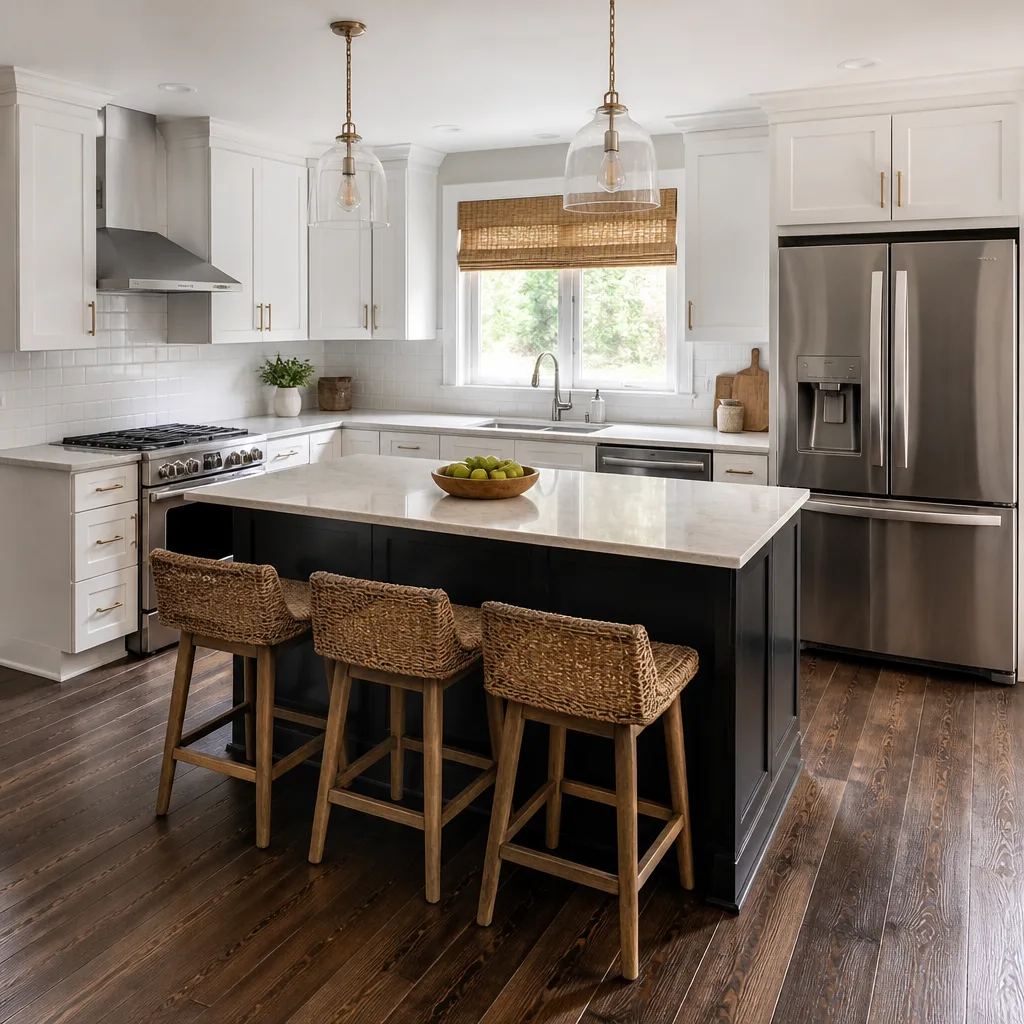 Kitchen remodeling
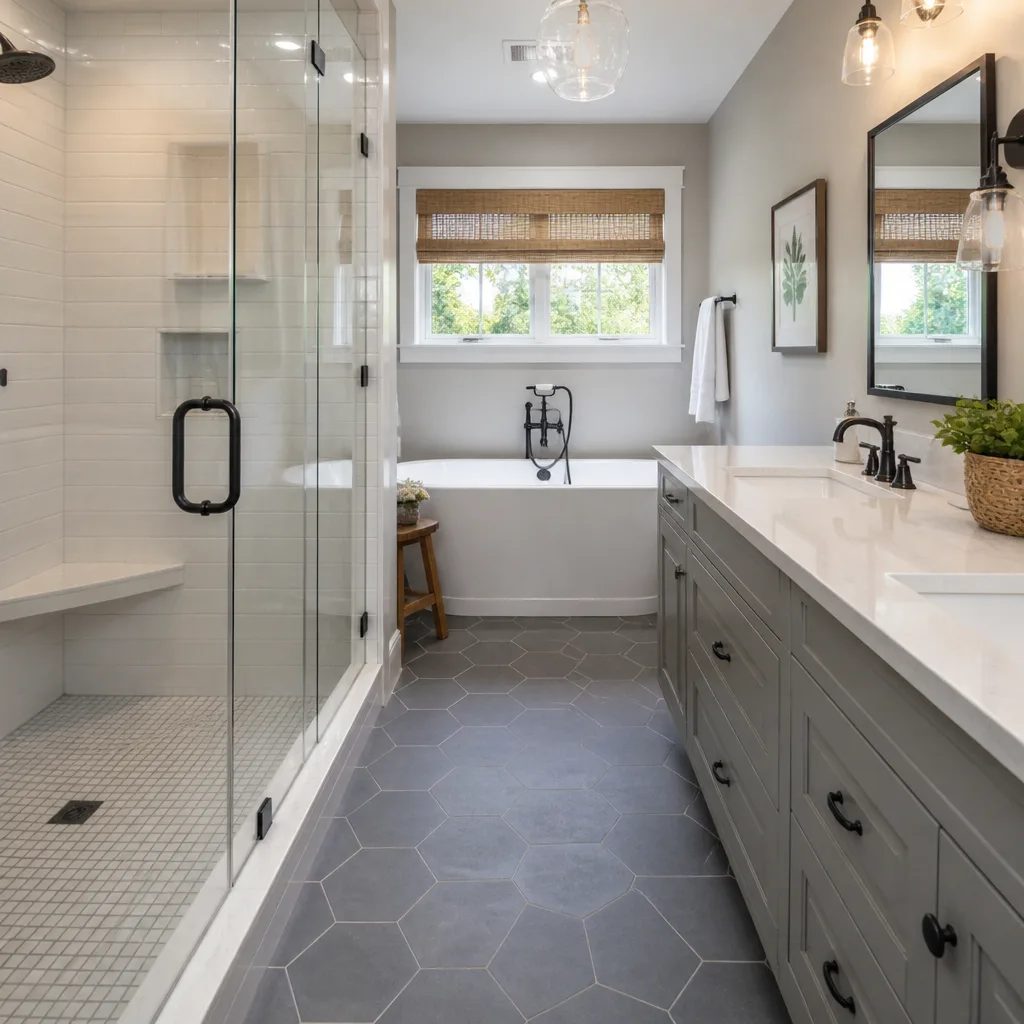 Bathroom remodeling
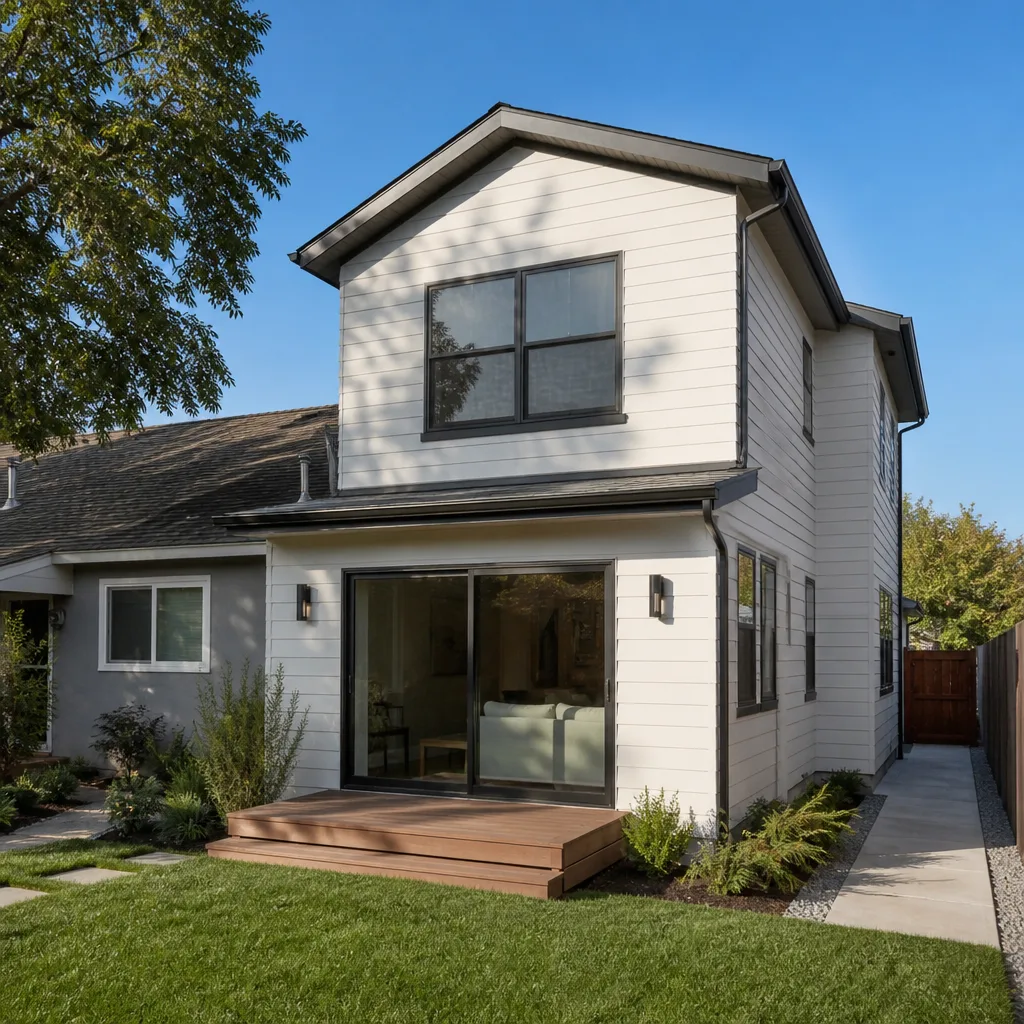 Home additions & ADU
 Roofing
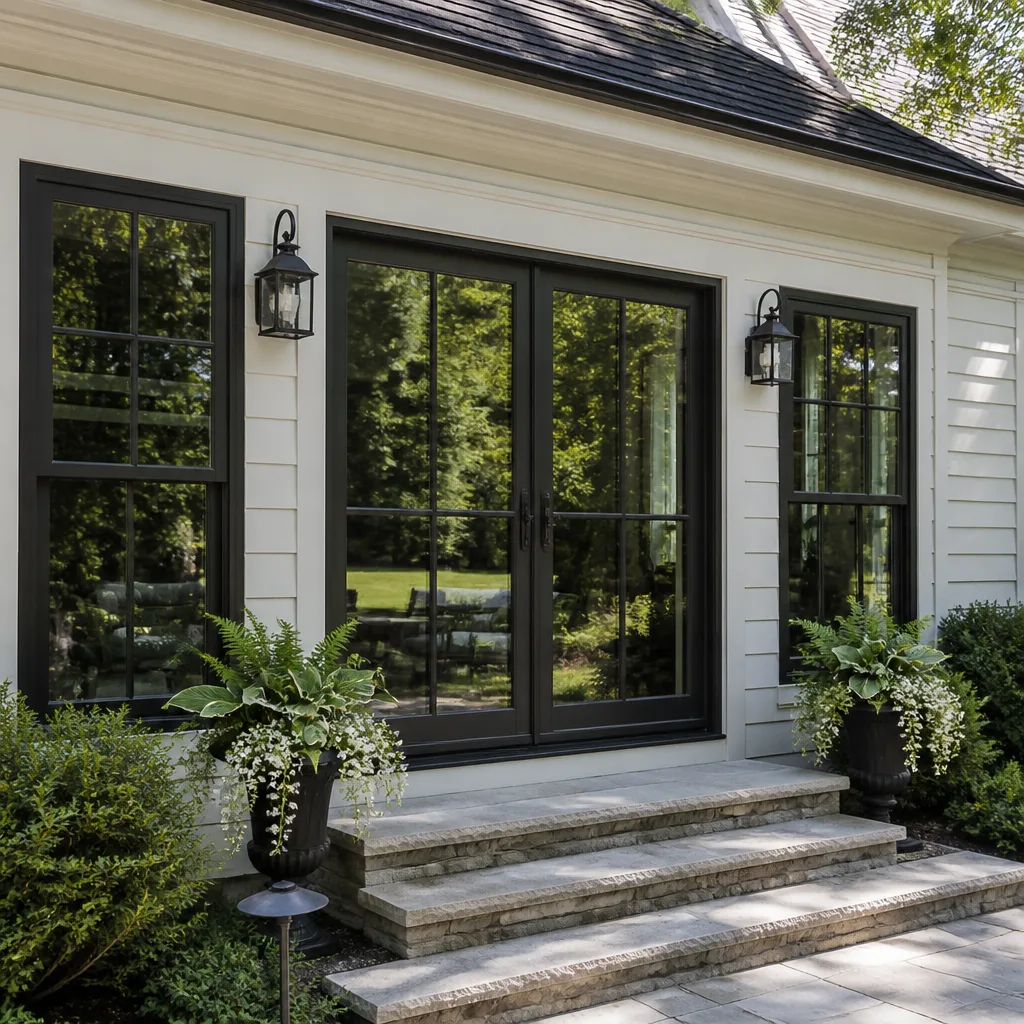 Windows & doors
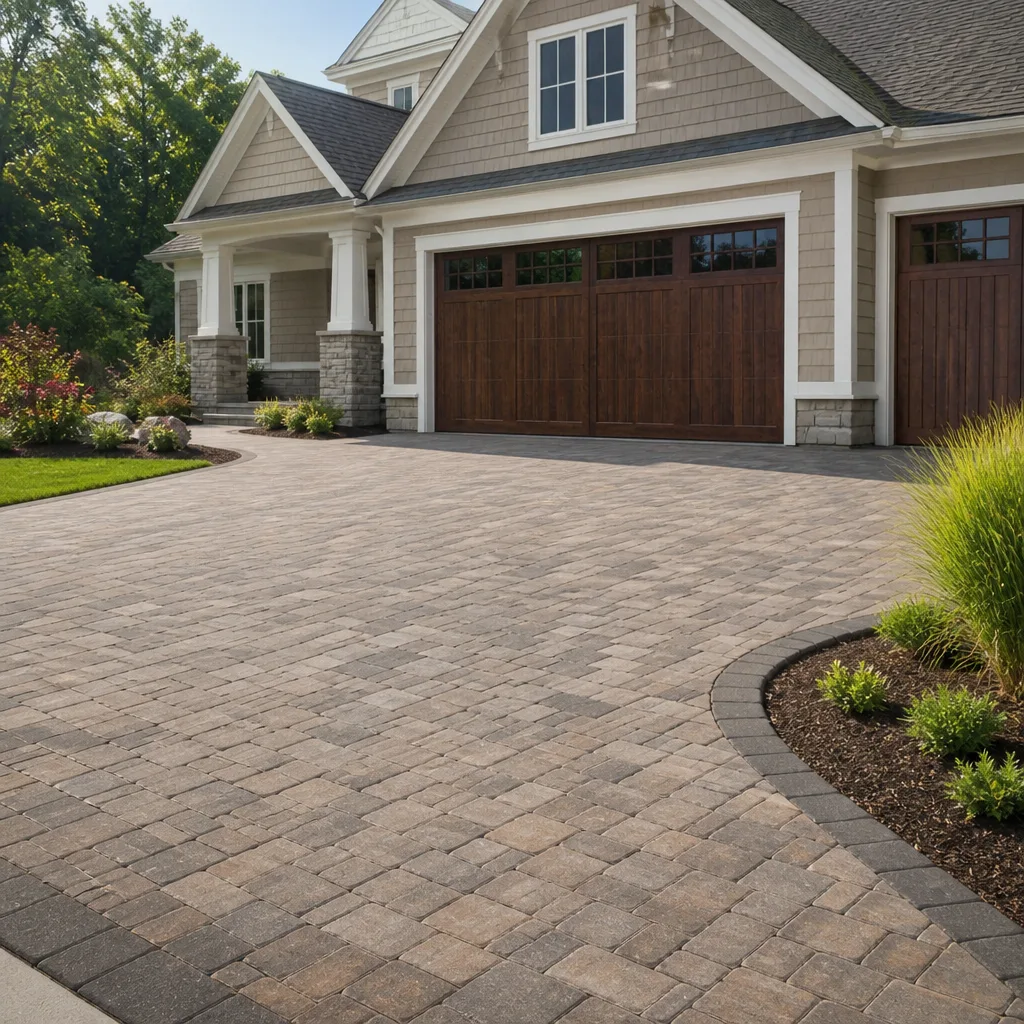 Driveway & pavers
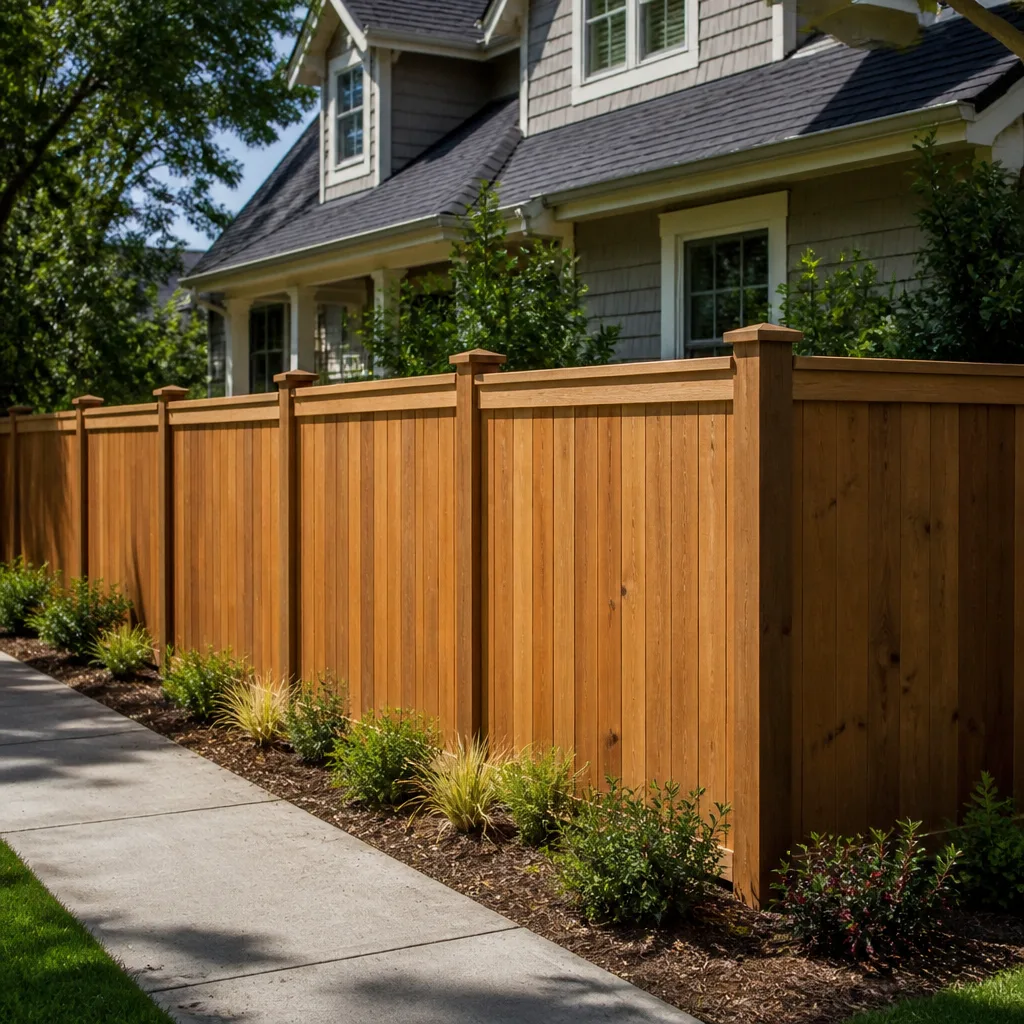 Fence
Free written scope consultation - allowances, timeline, and change-order rules on paper before a single trade is scheduled
How to Hire a Construction Contractor in North Miami Beach: A Step-by-Step Guide
A contractor can look fully legitimate and still leave you with a problem that only surfaces later. They can carry a state license, show you an insurance certificate, and collect a wall of positive reviews, and still install a roof that fails its inspection during a home sale down the road. The problem is that the standard advice (“get three quotes and check references”) doesn’t test for the things that actually go wrong in North Miami Beach. This guide shows you the documents to request, the portal to check, and the exact contract language to look for before you sign anything.
Quick Answer
To hire a construction contractor in North Miami Beach, verify the state license, confirm the contractor pulls permits under their own license, check their Miami-Dade permit history for closed jobs rather than abandoned pulls, and require brand-specific material specifications in the written proposal. Sign only a contract that ties payments to inspections, caps change orders, assigns manufacturer warranties to you, and includes a lien waiver process. Choose the bidder whose paperwork holds up to that test, not the one with the lowest number.
Styles & brands we work with
- Kitchen remodeling
- Bathroom remodeling
- Home additions & ADU
- Roofing
- Windows & doors
- Driveway & pavers
- Fence
Table of Contents
- Why North Miami Beach Hiring Is Different From the Generic Checklist
- Reading a Proposal for High-Velocity Hurricane Zone Compliance
- How to Check a Contractor’s Miami-Dade Permit History
- “Handles Permits” vs. Actually Pulls Them Under Their Own License
- The Five Contract Clauses Most North Miami Beach Contracts Omit
- Why the Lowest Bid Is the Riskiest Bid
- The 10-Step Vetting Process, In Order
- Common Mistakes to Avoid
- Frequently Asked Questions
Why North Miami Beach Hiring Is Different From the Generic Checklist
Most hiring advice was written for a mild climate and a light regulatory hand. North Miami Beach is neither. Miami-Dade County enforces one of the strictest building codes in the country because of the wind exposure here, and that code reaches into material selection, fastening schedules, and product approval in ways a homeowner never sees on the invoice. A contractor who is licensed and insured can still write a proposal that quietly skips the compliance language, because skipping it saves them money and you won’t notice until an inspector does.
The second difference is sub-stacking. A general contractor is allowed to bring in subcontractors, and most do. The risk is that some bring in subs who aren’t licensed, aren’t insured, or both. When an uninsured sub gets hurt on your property or does defective work, the chain of accountability gets murky fast, and it can land on you. The vetting that catches this is simple, but almost nobody does it.
We specify brand-name materials across every trade because a named product can be looked up, verified, and warranted. That matters more here than in most markets. The homes in North Miami Beach range from mid-century block houses to newer builds near the Intracoastal, and each age bracket brings its own surprises: older electrical, settled slabs, doors and windows that have been swapped with whatever was on hand. You’re not just hiring a contractor for one job. You’re choosing the person who will be accountable when a hidden condition surfaces.
This guide walks through the actual pressure points: the proposal language, the permit records, the contract clauses, and the one document request that reveals whether a bid is real or built on cheap, unlicensed labor. Read it before you take a single bid.
Reading a Proposal for High-Velocity Hurricane Zone Compliance
If your written proposal does not contain the phrase “High-Velocity Hurricane Zone” or the abbreviation HVHZ, treat that as a question to ask before signing. Miami-Dade sits inside the HVHZ, which is the county’s strictest wind code for product approval and installation, and a compliant contractor will reference it directly in the scope for roofing, windows, and doors. When it’s missing from a proposal, the contractor may be planning to use product that isn’t approved for this zone, or to install approved product in a way the code doesn’t allow.
Here is what HVHZ compliance looks like in writing:
- Product approval numbers for every window, door, and roof component, matching what the manufacturer certified for this zone.
- Fastening schedules spelled out for the roof deck and underlayment, not left to “per code.”
- Naming the underlayment product by brand and model, since HVHZ-rated underlayments are not interchangeable with commodity product.
- An inspection sequence that calls out the required county inspections by stage.
For windows and doors specifically, the proposal should name impact-rated products from a manufacturer engineered and certified for high-wind environments. We use PGT, CGI, CWS, and ECO Window Systems for this reason: the certification is on file, and it can be verified. Pay attention to the word “impact-rated” in the scope. “Hurricane glass” is a marketing phrase. Impact-rated with a specific product approval number is a compliance claim.
When you evaluate a roofing bid, ask which manufacturer’s system is being specified and whether the bid attaches to that manufacturer’s warranty program. GAF, CertainTeed, and Owens Corning each maintain warranty structures for residential roofing, and each one requires installation by contractors who follow their spec. A proposal that names the system and the warranty tier shows the contractor understands they are accountable to a third party, not just you.
This is a good time to ask for the North Miami Beach Construction approach in writing: which product, which approval, which inspection stage. Any contractor who can’t answer those three questions in a proposal is a risk on a permit-heavy job.
How to Check a Contractor’s Miami-Dade Permit History
You can look up any contractor’s permit history directly through Miami-Dade County’s online permit portal, and it takes about five minutes. Search by the contractor’s license name and you’ll see the permits they’ve pulled, their status, and how each one closed. This is the single most useful research you can do, and almost no homeowner does it.
Here’s how to read what you find:
- Search by name, not by address. You want their whole body of work, not one job.
- Count the closed permits. A healthy history shows jobs that went through final inspection and closed. Closed means the county signed off on the work.
- Flag the abandoned pulls. These are permits that were taken out and never closed. One or two across a long history could be a project that stalled for legitimate reasons. A pattern of abandoned permits is a serious warning sign.
- Look at the scope. Do the permit types match what they’re bidding on for you? If they’re proposing a roof and their history is all fences, the specialty is thin.
- Check the dates on recent activity. A contractor whose permits all closed several years ago may not be actively pulling today.
An abandoned permit does not just sit there. It can follow the property, complicate a future sale, and in some cases trigger a stop-work or an after-the-fact review that costs you. When you see the pattern, walk.
The same portal is how you verify a contractor actually pulled the permits on past jobs, rather than telling the homeowner to handle it themselves. Homeowners can pull their own permits in limited situations, but that shifts the legal responsibility for the work onto you. For anything structural, electrical, roofing, or window installation, the contractor should be the permit holder.
“Handles Permits” vs. Actually Pulls Them Under Their Own License
There’s a meaningful difference between a contractor who says they “handle permits” and one who actually pulls them under their own license. The first can mean they file the paperwork with a license number that isn’t theirs, or that they coach you into pulling an owner-builder permit. The second means the permit record shows their name as the contractor of record, which makes them accountable for the work passing inspection.
Why it matters for your liability:
- Inspection accountability. When the contractor is the permit holder, they carry the responsibility for passing every stage. If it fails, it’s their problem to fix, not a fee you’re asked to cover.
- Warranty enforceability. Manufacturer warranties on roofing and windows often require installation by a licensed contractor with a valid permit. If the permit is in your name, the manufacturer can argue the installation wasn’t contractor-installed.
- Resale. Title companies and buyers’ agents pull permit records on the property. An owner-pulled permit for a roof can raise questions about why the contractor wasn’t willing to be on the record.
- Insurance. If a claim arises, your homeowner’s policy may look closely at whether the work was permitted and by whom.
Ask the question directly in the first conversation: “Will you be listed as the contractor of record on the permit, and can you send me the permit number once it’s issued?” A confident yes with a follow-through is the answer you want. A vague answer, or a suggestion that you pull it yourself “to save time,” is your cue to move on.
The same logic applies to the trades under the general contractor. If a roofing crew is subcontracted, find out whose license they work under and whether they’re insured independently. We manage every trade under one contract and one point of contact so the accountability chain stays clean, from the driveway pavers to the roofline. That’s not a sales line, it’s the mechanism that keeps the permit record and the warranty record pointing to one responsible party. When you’re planning larger work like an home additions & ADU, ask how many separate permits the job will need and who’s pulling each one.
The Five Contract Clauses Most North Miami Beach Contracts Omit
Most contracts you’ll be handed in North Miami Beach cover the price, the scope, and the timeline, and leave out the clauses that actually protect you. Here are the five you should require, and the reasoning behind each.
- A draw schedule tied to inspections. Payments should be released at milestones that correspond to passed inspections, not calendar dates. A contractor who wants a large payment up front, before any inspection has been passed, is financing their own operation with your money. Tie every draw to a county sign-off.
- Brand-specific material specifications. The contract should name the actual product, not a category. “Tile” is a category. “Cambria quartz in [color]” is a specification. Same for cabinets (KraftMaid or Wellborn), fixtures (Kohler, Moen, Grohe, Toto), and surfaces (Cambria, Silestone, Caesarstone). If the contract says “or equal,” it needs a written approval process before any substitution.
- A lien waiver process. Subcontractors and suppliers can file a mechanics lien against your property if the general contractor doesn’t pay them, even if you paid the general contractor in full. The contract should include a process for collecting signed lien waivers from each sub and supplier at every draw.
- A change-order cap. Every job has surprises. A change-order cap limits how much the final price can rise from documented change orders without your written approval, and defines what counts as a change order. Without it, scope creep is open-ended.
- Warranty assignment. Manufacturer warranties on roofing, windows, cabinets, pavers, and fencing should transfer to you at completion. The contract should say explicitly that you receive the manufacturer’s warranty documentation, not a promise to “be available” if there’s a problem.
The warranty assignment point is worth dwelling on. Manufacturer-warranted materials verified at installation are what make a warranty meaningful. For paver and hardscape work, professional-grade product from Belgard, Unilock, Tremron, and Techo-Bloc is warranted independently of the labor contract, which means if the paver itself fails, the manufacturer answers. Builder-grade commodity pavers often carry no such warranty. Same logic applies to driveway & pavers work: ask which brand and which warranty, and get it in writing. For fence installation, the same question applies to Barrette, Master Halco, Ameristar, Jerith, Bufftech, or ActiveYards products, each of which carries its own warranty structure.
Why the Lowest Bid Is the Riskiest Bid
The lowest bid in this market is the one statistically most likely to involve unlicensed subcontractors, because licensed labor is expensive and the gap between bids has to come from somewhere. The one document request that reveals it almost instantly is the subcontractor insurance certificate, for every sub who will set foot on the job, before work starts.
Here’s what to ask for and what to watch for:
- A certificate of insurance for the general contractor, listing general liability and workers’ compensation, with your property address as the certificate holder.
- A certificate for every subcontractor, not just the general contractor. If a contractor hesitates, or offers to “get those later,” the sub-stacking risk is real.
- Confirm the workers’ comp line separately. A general liability policy does not cover injuries to workers. Workers’ comp does. If the contractor says “my subs carry their own,” ask to see the certificates.
- Verify the license status independently. Call the state licensing board and confirm the license is active and the name matches the entity on the contract.
A contractor who carries real insurance and works with licensed subs will send those certificates without hesitation, usually within a day. A contractor who can’t is either uninsured, using unlicensed labor, or both. Either way, the money you thought you saved on the lowest bid is now at risk, and the number on the contract is fiction.
The 10-Step Vetting Process, In Order
This is the short version. Work it in sequence, and don’t skip a step to save time.
- Verify the state license. Independent of anything the contractor sends you.
- Search the Miami-Dade permit portal by name and review their permit history for closed jobs vs. abandoned pulls.
- Ask who pulls the permit and confirm they’ll be the contractor of record on yours.
- Request certificates of insurance for the general contractor and every subcontractor.
- Review the proposal for HVHZ language and manufacturer product approvals on the roofing, windows, and doors.
- Compare bids on specification, not on price. Line up the brands, the warranty tiers, the change-order policy, and the draw schedule.
- Ask for the manufacturer warranty program name on the roofing and the paver systems, and confirm whether it transfers to you.
- Read the contract for all five clauses (draw schedule, material specs, lien waivers, change-order cap, warranty assignment).
- Request lien waivers as part of the draw process, not at the end.
- Confirm the final inspection closes on every permit before you release the final payment.
Step ten is where most homeowners slip. The job looks finished, the crew is gone, and you pay the last draw. Then the permit sits open because the final inspection never got scheduled. Make the final payment conditional on the final inspection passing and the permit closing, and hold that line.
Common Mistakes to Avoid
- Trusting the review count more than the license. Positive reviews are easy to generate and do not verify licensing, insurance, or permit history. Use the state license lookup as the starting point, then move to project-specific checks.
- Accepting “or equal” substitutions from a homeowner-friendly brand list. When a contract says “or equal,” you’ve given away the specification. Require a written approval process with the exact product named.
- Paying a large draw up front. Money paid before any inspection has passed is money you can’t claw back. Tie every payment to a milestone.
- Letting the contractor talk you into pulling the permit yourself. This puts the legal responsibility for code compliance onto your shoulders, and it can complicate your homeowner’s insurance and future sale.
- Not checking whether the sub working on your roof is insured. The general contractor’s certificate does not cover everyone on the job. Ask for each sub’s certificate before work starts.
- Signing a proposal with no HVHZ reference. In Miami-Dade, that omission is a red flag that the material spec may not be compliant. Ask before you sign.
- Closing out the job without confirming the permit closed. The final inspection is the county’s sign-off. Without it, the job is not finished from the property’s perspective, no matter what the driveway looks like.
See the difference
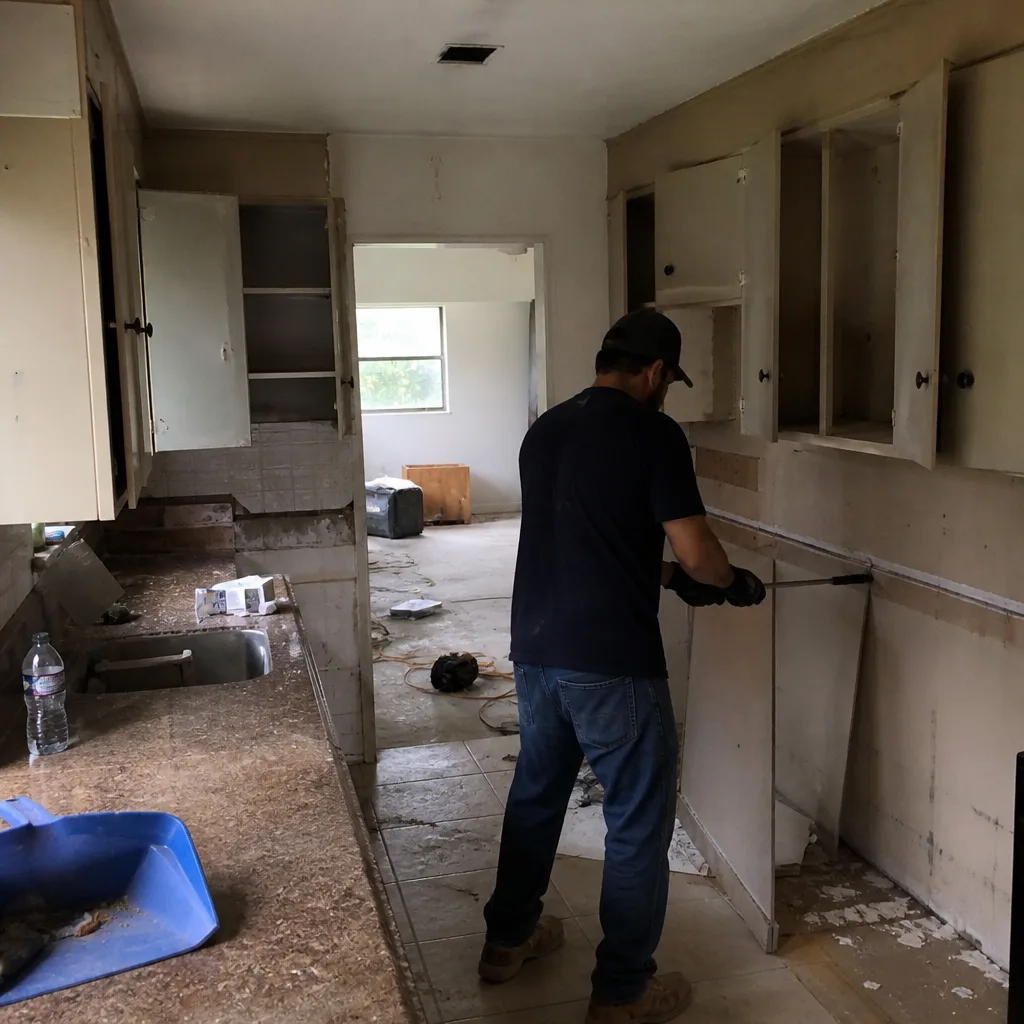 Before
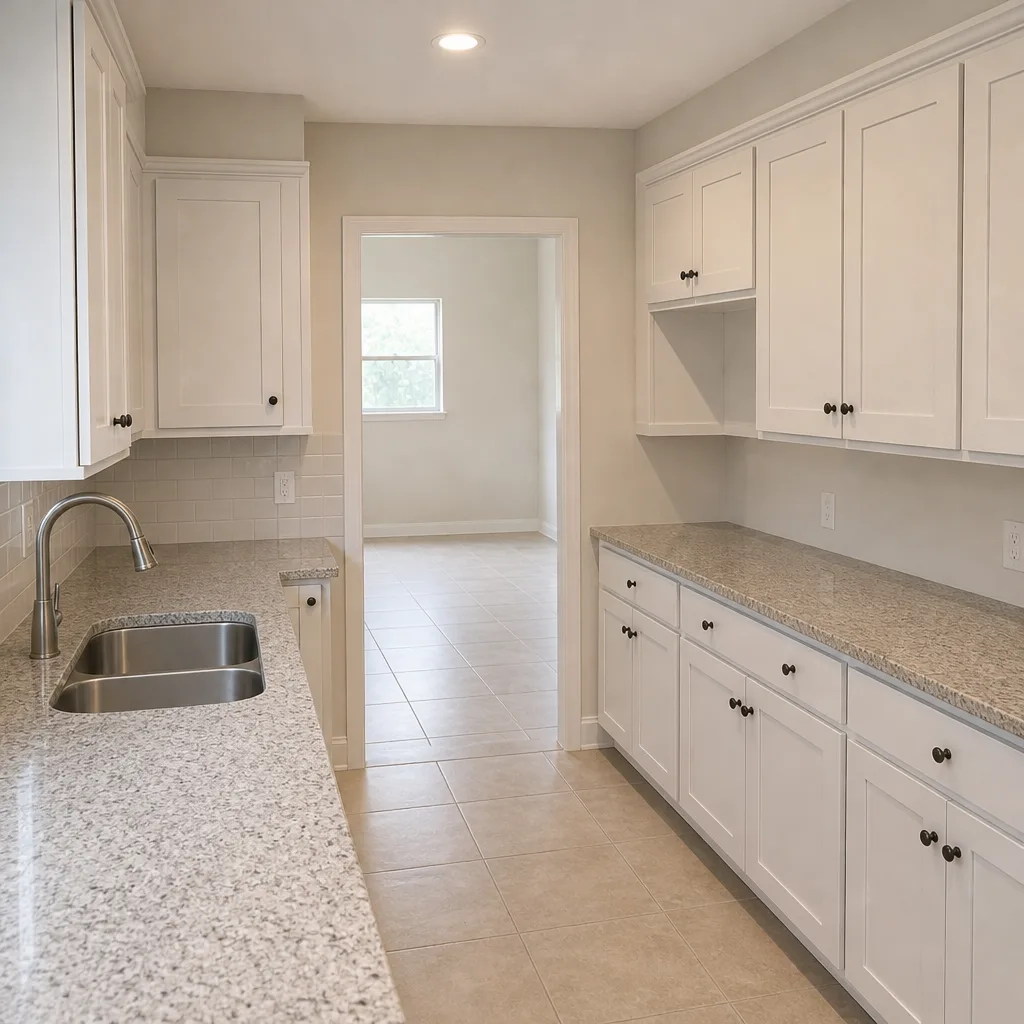 After
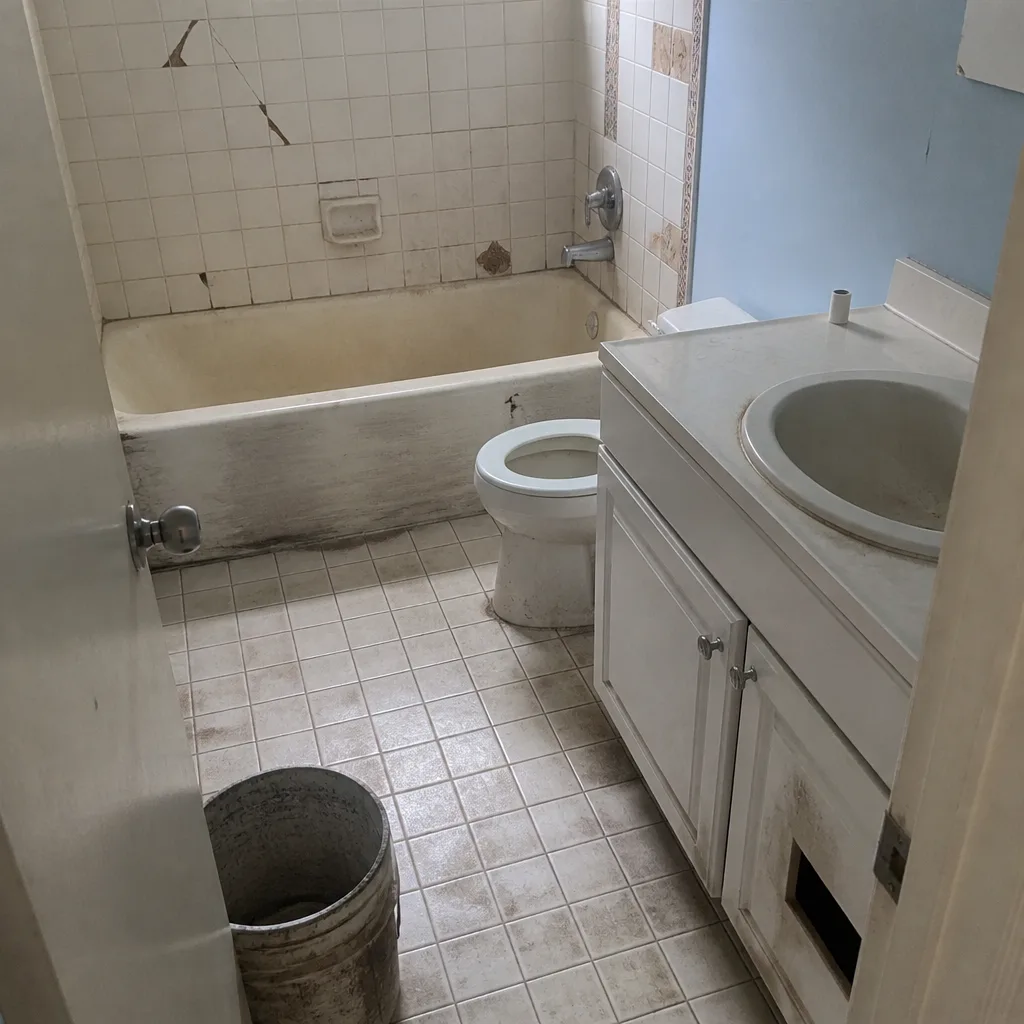 Before
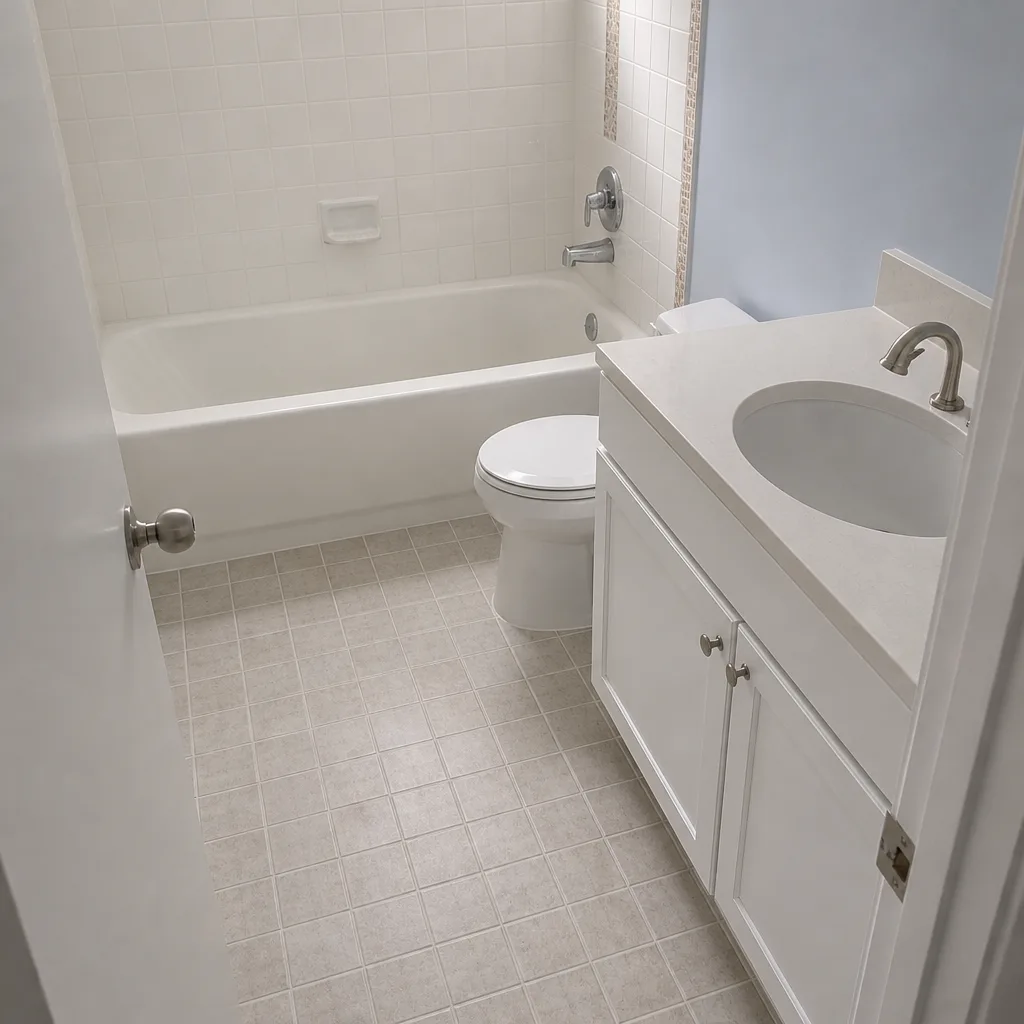 After
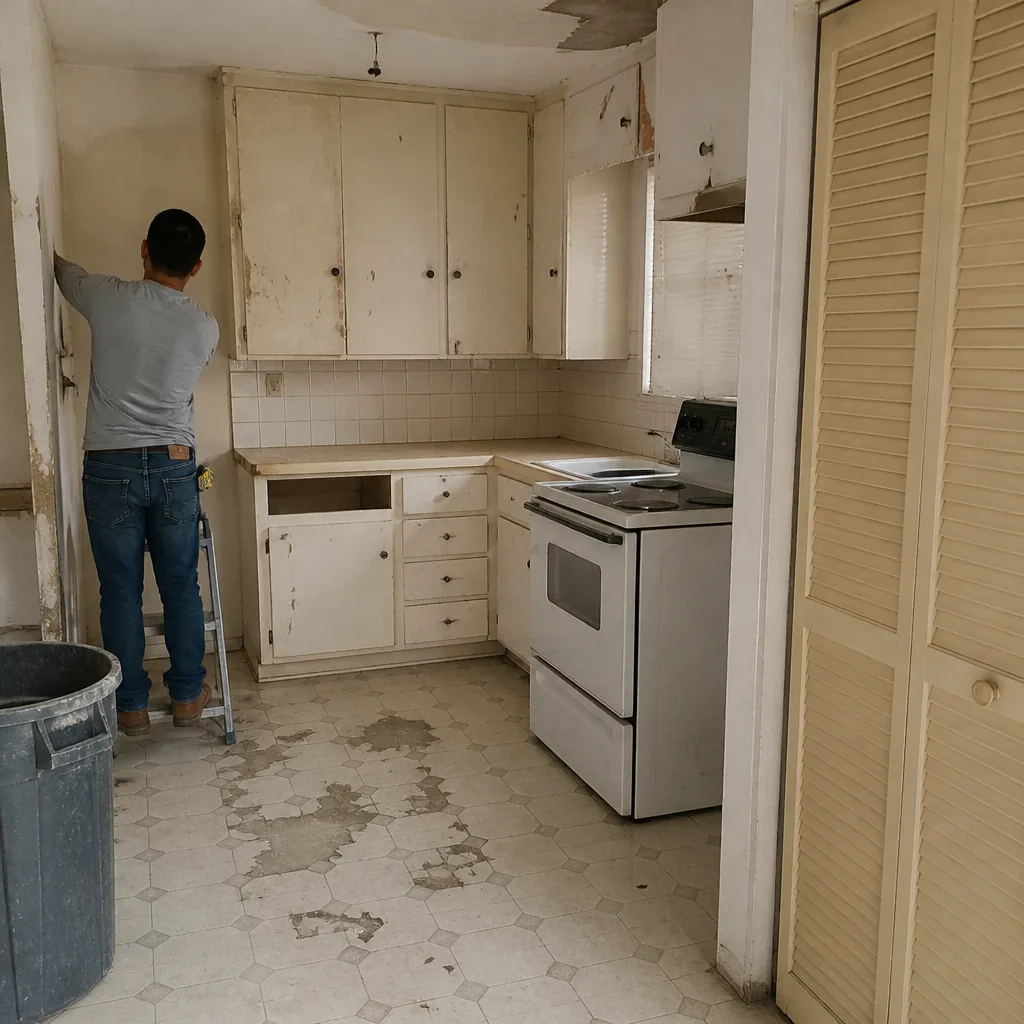 Before
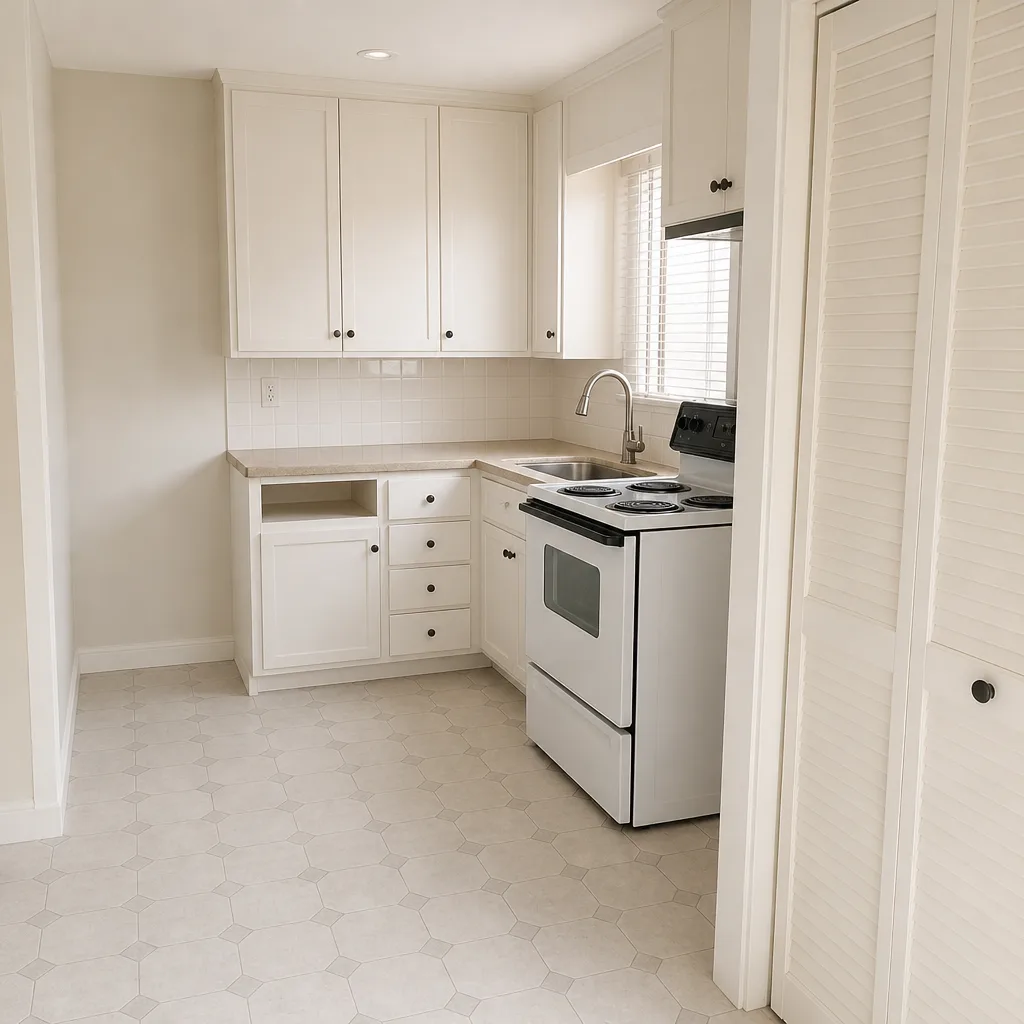 After
When to Call a Professional
Some problems are DIY-friendly, and some should never be handled by a homeowner. Call a professional when the job involves the roof, the electrical panel, gas lines, any window or door replacement that must meet the HVHZ code, a structural alteration, or any work that requires a permit. Those carry real safety and liability exposure, and the code compliance piece is not something to learn from a video.
Call us when you’re planning more than one project and want a single point of accountability across trades. North Miami Beach Construction offers free estimates in North Miami Beach and manages every trade under one contract, from windows and roofing through to the kitchen and the driveway. Our technicians have up to 9 years of experience across the trades they install. Call (844) 651-6043. We answer 24/7. Fast dispatch from 7am to 7pm, Sunday through Friday.
Frequently Asked Questions
Use your state’s online contractor licensing database to confirm the license number, the status (active vs. expired vs. revoked), and the name of the person or entity that holds it. Cross-reference that name against the name on the contract and the name on the permit. If any of those don’t match, stop and ask why. Call (844) 651-6043 for a free estimate if you’d like us to walk you through the verification for our own credentials.
It may look cheaper on paper, and it usually isn’t, because it shifts the legal responsibility for code compliance onto you. An owner-pulled permit means you are the contractor of record for the purposes of inspection, and if the work fails, you are the one the county contacts. It can also interfere with manufacturer warranties on roofing and windows, which typically require contractor installation. Let a licensed contractor pull the permit and put their name on the record.
HVHZ stands for High-Velocity Hurricane Zone, and it’s the strictest wind code the county enforces for product approval and installation of roofs, windows, and doors. A compliant contractor will reference it directly and list product approval numbers. If the phrase is missing from your proposal, ask for it explicitly before you sign, because its absence can mean the material spec is not compliant. Call (844) 651-6043 for a free estimate and a written scope that names the product.
Bids diverge because the underlying labor and insurance costs diverge. A bid that comes in sharply below the others is often built on unlicensed subcontractors, minimum insurance, or a scope that quietly leaves out permit fees or inspection costs. The one document request that reveals it is a certificate of insurance for every sub who’ll work on the job. Request them before any work starts, and require a written line-item quote so you’re comparing like to like.
Yes, and it’s usually preferable when you’re planning more than one project. Handling roofing, windows, kitchens, bathrooms, and hardscape under one contract means one permit sequence, one point of accountability, and one warranty record. We manage all seven of our service categories under a single contract for that reason. Whether you’re adding square footage or upgrading what you already have, ask how many trades the contractor can legally and practically manage under one roof. Call (844) 651-6043 for a free estimate.
Search the contractor’s name on the Miami-Dade County online permit portal and review their permit types and statuses. Look for closed permits (jobs that went through final inspection) as the healthy sign, and abandoned or expired pulls as the warning sign. Check that the permit types match the work they’re proposing for you, and check the dates on recent activity. Call (844) 651-6043 for a free estimate on your project.
The Bottom Line
Verifying a North Miami Beach contractor is a document exercise, not a personality read. Confirm the state license independently, check their permit history for closed permits rather than abandoned pulls, require HVHZ language and named product approvals in the proposal, request certificates of insurance for every sub, and sign only a contract with all five protective clauses. Then hold the draw payments to passed inspections and refuse the final payment until the permit closes. A contractor with the paperwork to match their confidence will pass all of it. One who won’t, won’t. That’s the test, and it takes a couple of hours, not a weekend. The project’s cost and your property’s clean permit record are worth those two hours.
Call (844) 651-6043 for a free estimate. We answer 24/7. Fast dispatch from 7am to 7pm, Sunday through Friday. We’ll send a written, line-item scope with the brands and product approvals named, and you can verify every product before you sign anything.
Written by the team at North Miami Beach Construction.