
Last updated November 17, 2026
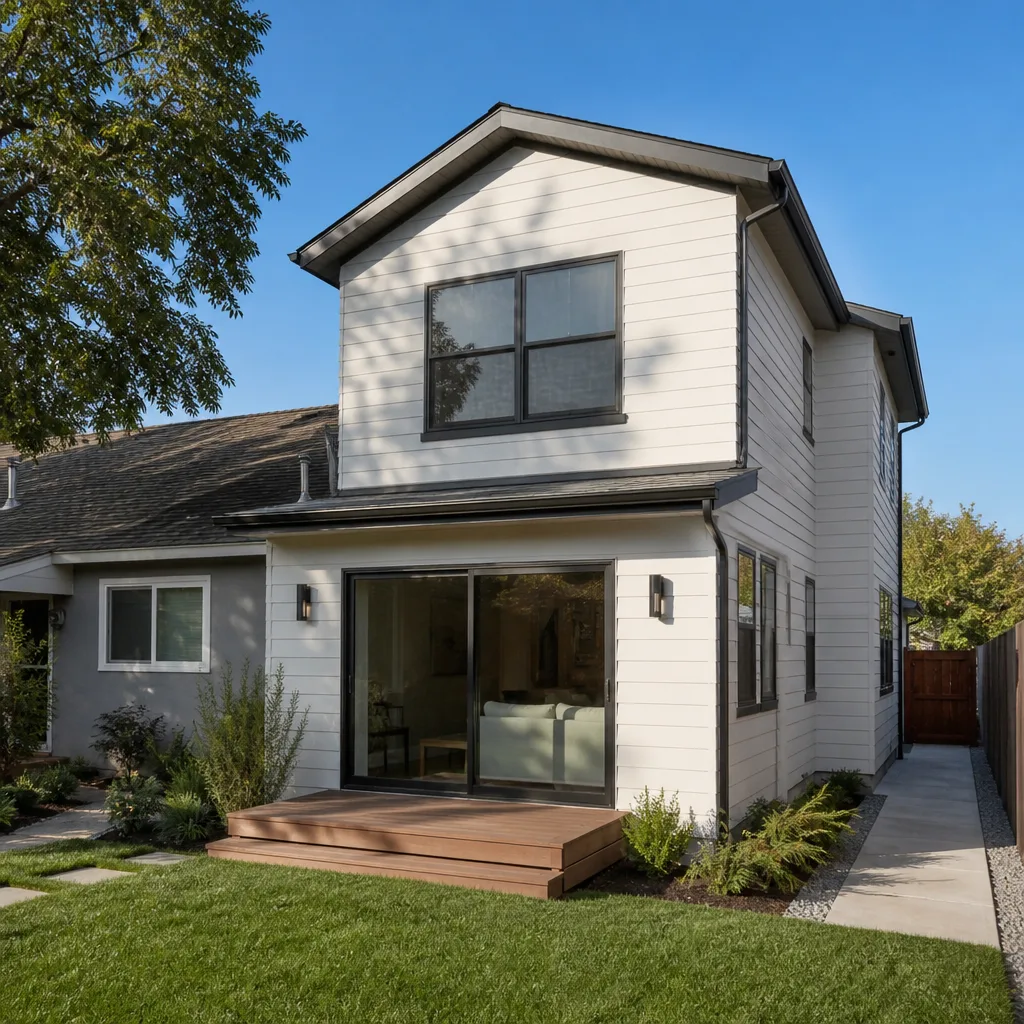 Home additions & ADU
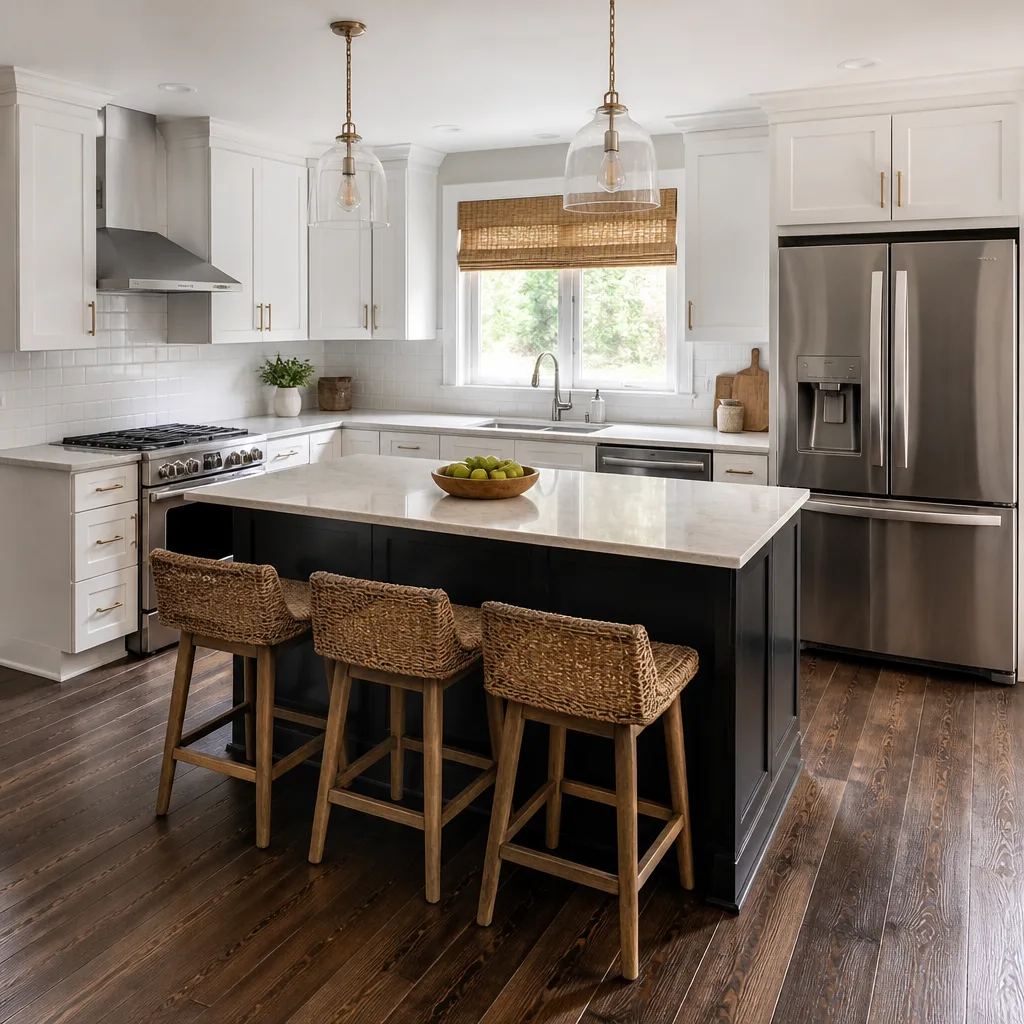 Kitchen remodeling
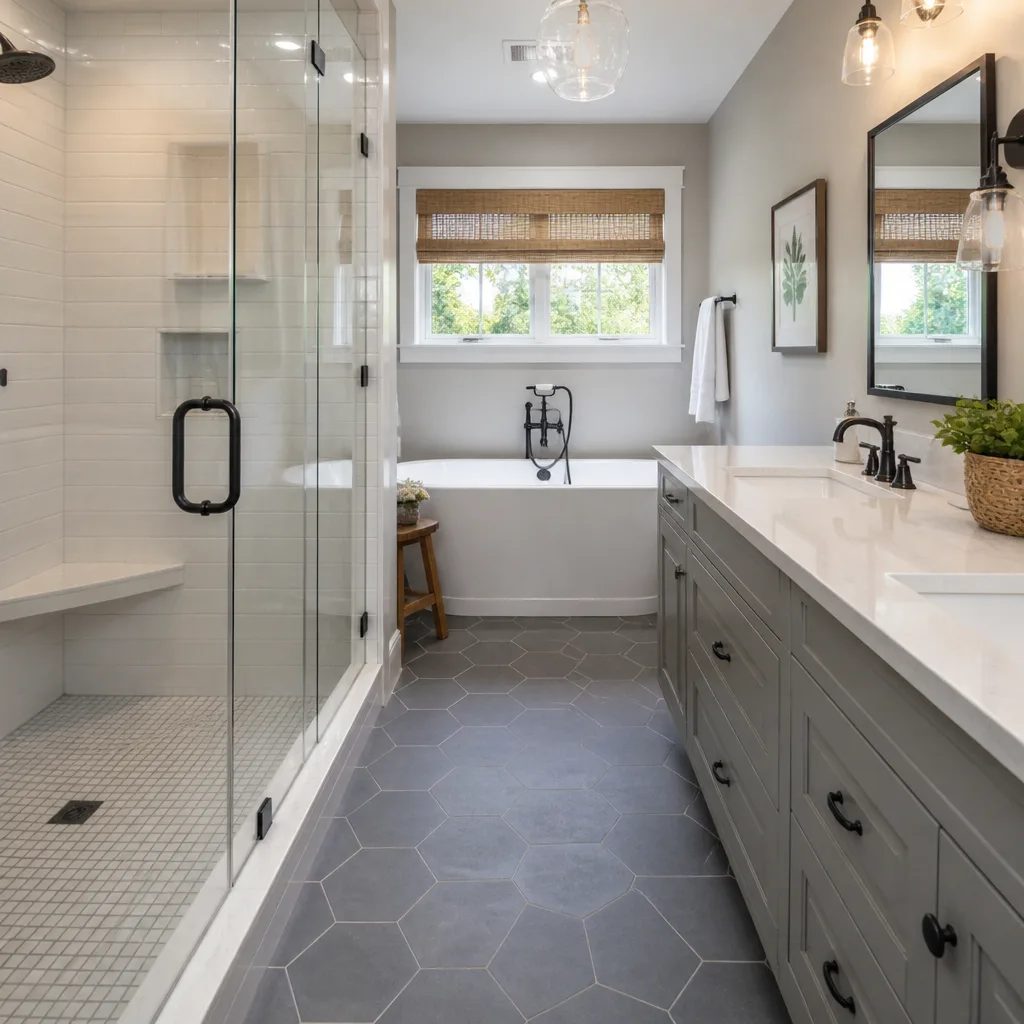 Bathroom remodeling
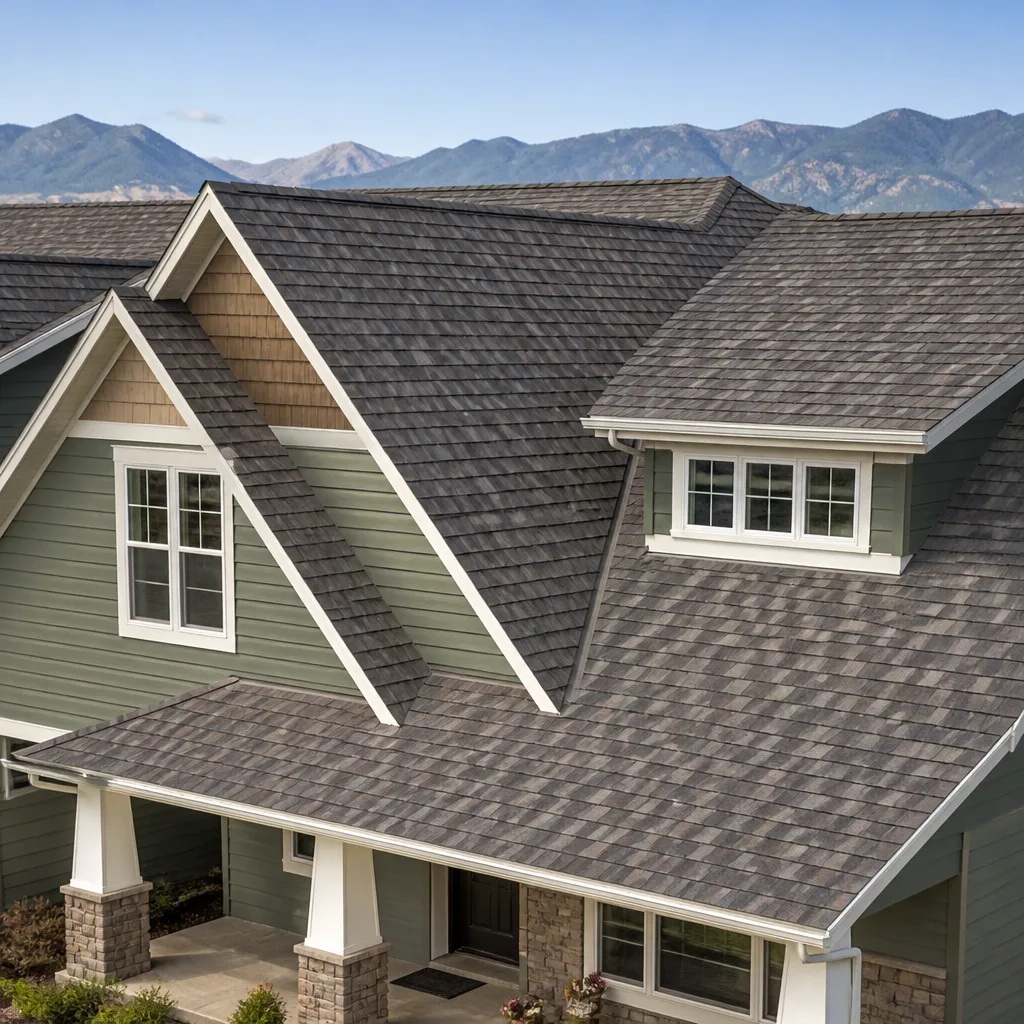 Roofing
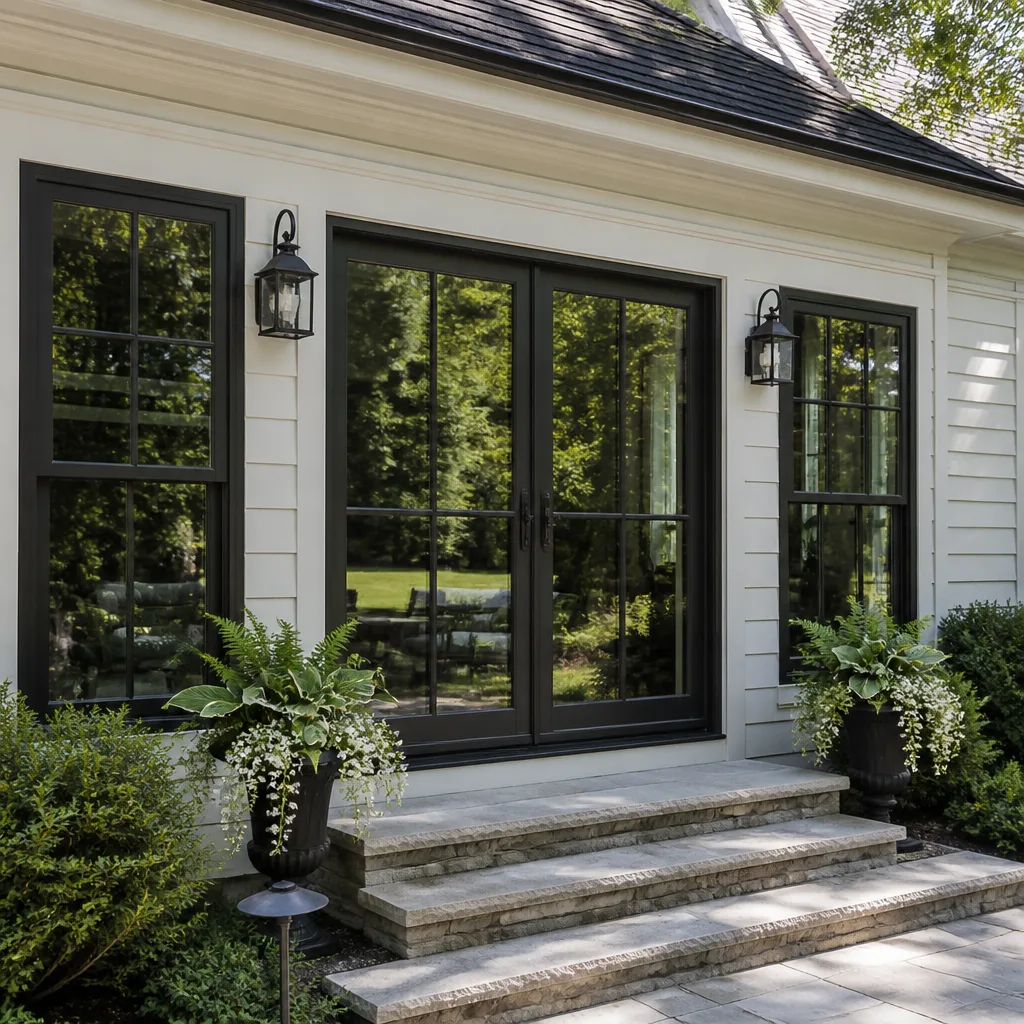 Windows & doors
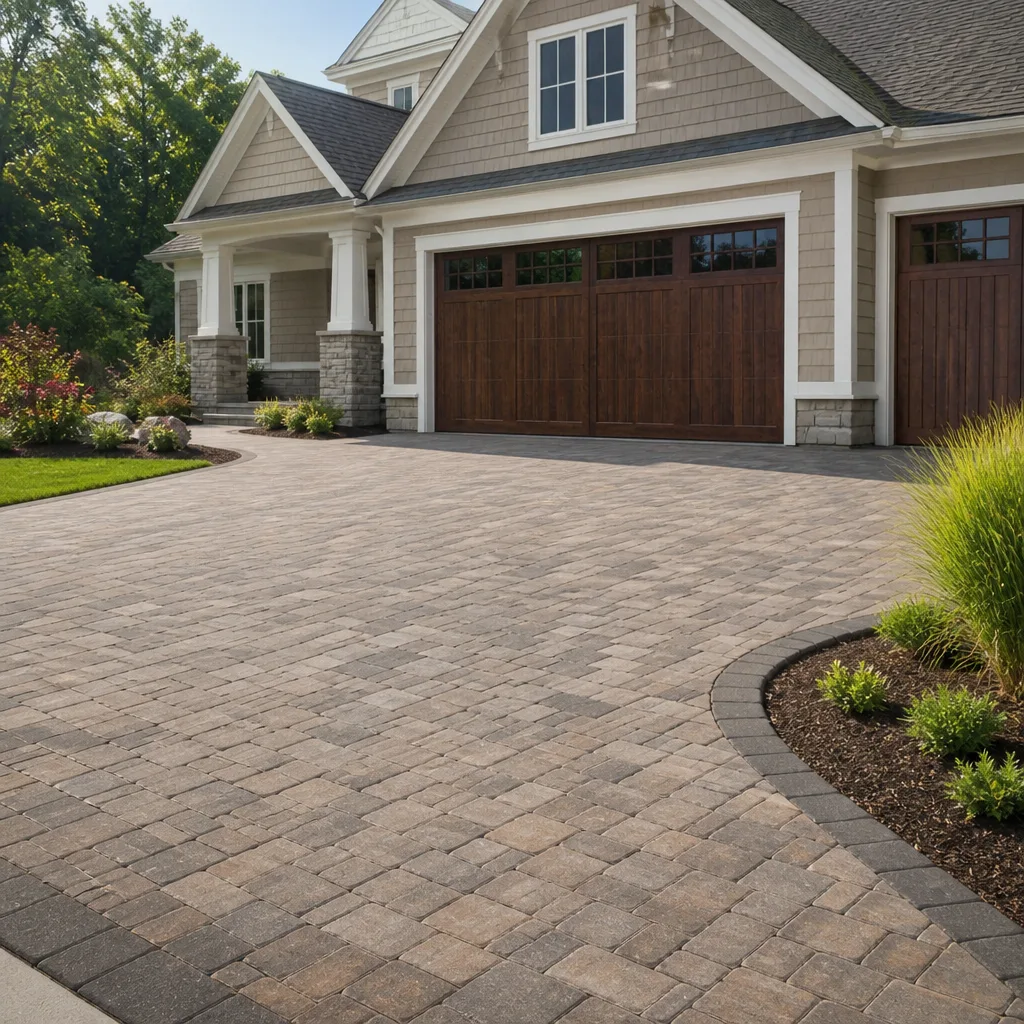 Driveway & pavers
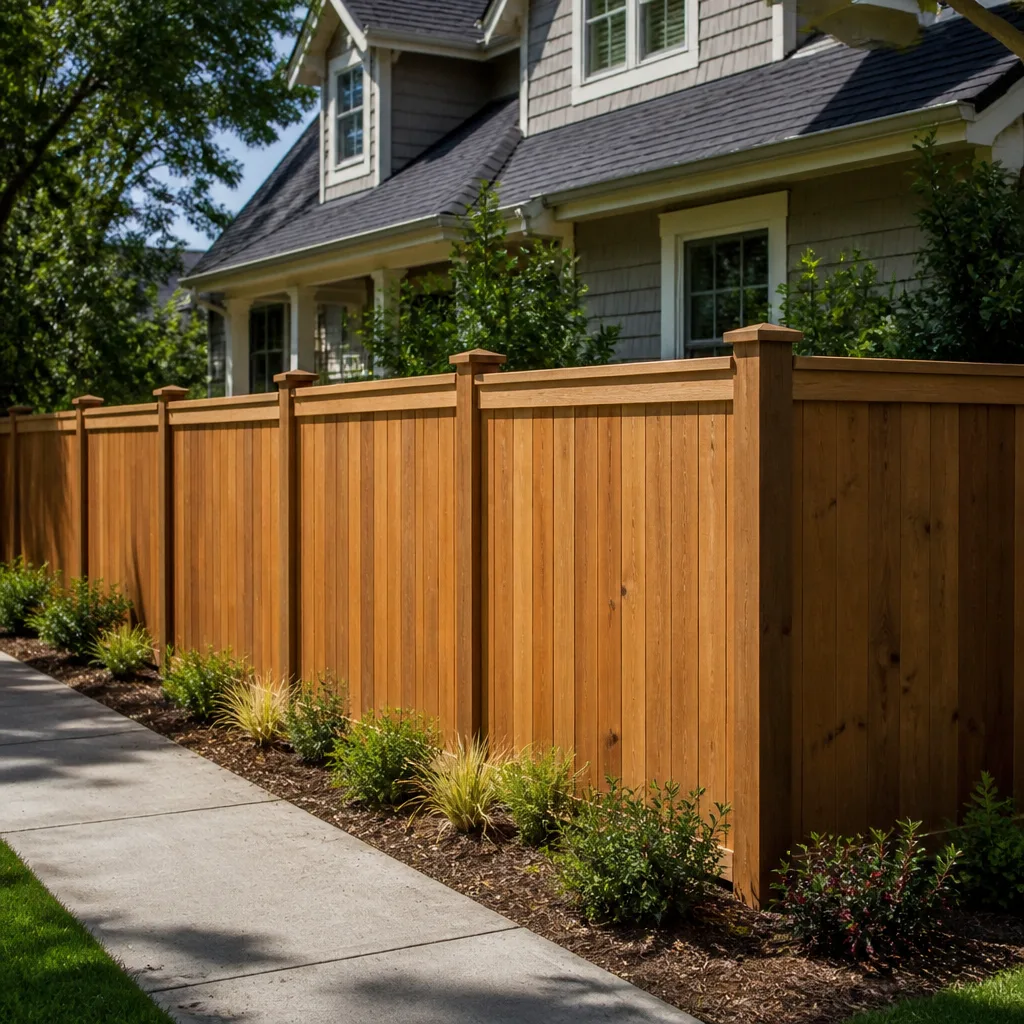 Fence
Free written scope consultation - allowances, timeline, and change-order rules on paper before a single trade is scheduled
Construction Emergency Preparedness Guide for North Miami Beach Homes
Most homeowners here think storm readiness ends with a shutter order and a case of water. That thinking is backwards. The homeowners who recover fastest after a serious storm are the ones whose paperwork was in order before the first warning cone appeared. After Hurricane Irma, some North Miami Beach homeowners waited four months for roofing repairs, not because contractors weren’t available, but because they couldn’t produce the wind mitigation documentation their insurance adjuster required to authorize the claim scope. This guide covers what to have on file by June 1, how temporary protection is supposed to work, and the inspection sequence that gets you from storm damage to a signed repair scope without losing months.
Quick Answer
Construction emergency preparedness in North Miami Beach means assembling four documents (a wind mitigation report, a 4-point inspection, a permit history printout from Miami-Dade, and product approval numbers for your installed roofing and windows) before storm season, knowing which temporary measures insurers accept and which void a claim, and pre-qualifying a licensed contractor so repair authorization doesn’t wait in a September queue. Documentation is the bottleneck in most claims, not contractor availability.
Styles & brands we work with
- Kitchen remodeling
- Bathroom remodeling
- Home additions & ADU
- Roofing
- Windows & doors
- Driveway & pavers
- Fence
Table of Contents
- The Four Documents Every North Miami Beach Home Should Have on File by June 1
- Emergency Tarping and Board-Up: What Insurers Accept and What Voids a Claim
- How to Pre-Qualify a Contractor Before Storm Season Starts
- Material Stockpiling: What You Can Self-Install and What Requires a Licensed Hand
- Post-Storm Inspection Sequence: Roof, Windows, Fence, Driveway
- HVHZ Rules and Why They Change Post-Storm Repair Timelines
- Sealing the Building Envelope Between Storm and Full Repair
The Four Documents Every North Miami Beach Home Should Have on File by June 1
An insurance adjuster opens a claim with one question: prove what was there before the storm. Four documents answer that question, and every North Miami Beach homeowner can assemble them before June 1 without waiting on a storm warning.
A wind mitigation report is an inspection performed by a qualified inspector that documents your roof geometry, roof-to-wall attachments, secondary water barrier, and opening protection. Insurers use it to price your policy, and adjusters use it to establish the roof’s pre-storm condition. If your roof was replaced or your windows were upgraded, order a new report; the old one describes hardware that’s no longer on the house.
A 4-point inspection covers the roof, electrical, plumbing, and HVAC systems. It’s typically required at policy issuance or renewal for older homes, and it serves as a baseline snapshot of the systems your claim will reference.
The permit history printout comes from Miami-Dade County’s building records. Pull it now, save the PDF, and confirm that every permitted improvement to your property appears. If a prior owner installed a fence or a driveway without a permit, that gap is worth knowing about before a claim forces the question.
Product approval numbers matter more here than in most of the country. Miami-Dade maintains a product approval system for building components used in the High Velocity Hurricane Zone, and every roofing system, window, and door installed in North Miami Beach should carry one. Ask whoever installed your roof or openings for the approval numbers and the Notice of Acceptance documentation. Store these alongside your insurance declarations page and a photo set of every elevation of the house.
- Wind mitigation report – roof geometry, attachments, opening protection
- 4-point inspection – roof, electrical, plumbing, HVAC baseline
- Miami-Dade permit history – proof that improvements were permitted
- Product approval numbers – roofing, windows, doors installed under HVHZ rules
Keep a physical copy in a waterproof folder and a digital copy in cloud storage you can access from a phone. In our experience, the homeowners who can produce these four documents within 48 hours of a storm reach the front of the adjuster queue.
Emergency Tarping and Board-Up: What Insurers Accept and What Voids a Claim
Temporary protection is expected after storm damage, but the line between accepted mitigation and a voided claim is narrower than most homeowners realize. Insurers generally accept measures that prevent further damage without altering the structure. They push back when temporary work becomes a permanent modification made without permits or documentation.
What typically qualifies as acceptable temporary protection:
- Heavy-duty tarps secured over damaged roof sections to shed water
- Plywood or OSB board-up over broken windows and doors, fastened from the interior where possible
- Sandbags at thresholds and garage entries to divert standing water
- Documented removal of water-damaged drywall or soaked insulation that would otherwise spread mold
What tends to create problems:
- Replacing a roof section with new shingles before the adjuster has inspected and photographed the damage
- Installing a permanent window or door without a permit, even if the original was destroyed
- Disposing of damaged materials before documentation, which makes the loss unverifiable
- Allowing an unlicensed hand to perform structural work under the banner of emergency repairs
The rule that keeps homeowners out of trouble: photograph everything before and after any temporary measure, keep receipts, and tell your insurer what you did and why. Notify your carrier before the tarp goes up if you can reach them. North Miami Beach homes near the Intracoastal often see wind-driven rain long after the storm center has passed, so tarping promptly protects the interior as much as the roof deck.
How to Pre-Qualify a Contractor Before Storm Season Starts
Every phone in the region rings in September. The contractors who can actually mobilize are already booked, and the ones with availability are often the ones nobody checked. Pre-qualifying a contractor in April or May is the single highest-leverage step in this guide.
Verification is straightforward. Confirm the contractor holds a state or county license for the trade being performed, carries general liability and workers’ compensation coverage, and can produce a certificate of insurance naming the homeowner as certificate holder. Ask for the license number and check it against the state or county database directly; a screenshot is not verification.
- Verify the license against the issuing authority’s public database.
- Request a certificate of insurance and call the carrier to confirm the policy is active.
- Ask what documentation they’ll need from you after a storm (wind mitigation report, product approvals, photos) so you can have it ready.
- Understand the scope of services the contractor actually handles in-house versus what gets subcontracted.
- Discuss what a pre-authorization agreement covers and what it does not.
- Confirm the warranty structure on materials and labor before anyone is in a hurry.
A pre-authorization agreement, sometimes called a priority service agreement, establishes the contractor as your designated repair provider so that when a storm hits, the scope assessment and permit application begin immediately rather than after three weeks of phone calls. Read every agreement carefully before signing. A legitimate agreement does not assign your insurance benefits to the contractor without your knowledge and does not lock you into a price set later under pressure. It should describe the scope of authorization, the documentation required, and your right to cancel.
We handle seven trade categories under one contract: North Miami Beach Construction, driveway & pavers, fence installation, home additions & ADU, bathroom remodeling, windows and doors, and roofing. That matters after a storm because a single point of contact coordinates the roof, the openings, and the fence rather than three separate crews fighting over the same inspection window. Ask any contractor you consider exactly which trades they handle themselves.
Material Stockpiling: What You Can Self-Install and What Requires a Licensed Hand
Homeowners can legally store and self-install certain temporary protective materials. Anything that touches the structure, the building envelope, or the permitted systems requires a licensed hand, even during an emergency window.
Materials a homeowner can reasonably keep on hand and deploy without a license:
- Plywood and OSB panels cut to window sizes, pre-drilled and labeled by opening
- Sandbags for threshold and garage diversion
- Tarps, heavy gauge, with fastening hardware
- Batteries, weather radios, hand tools, and cordless drivers
- Permanent storm shutters or panels already manufactured and approved for the openings they cover (installation per manufacturer instructions)
What requires a licensed contractor, regardless of urgency:
- Any roofing repair beyond tarping – decking, underlayment, shingles, or flashing
- Window and door replacement, because every opening in the High Velocity Hurricane Zone needs product approval and a permit
- Structural work of any kind, including temporary shoring
- Electrical, plumbing, and gas work
- Fence and driveway installation where permits are required by the local building department
Storage itself is a consideration in North Miami Beach. Plywood warps in humidity, and tarp adhesive degrades in heat. Store panels flat, off the floor, in a dry space. Label each panel with the opening it fits; in a storm, you won’t want to measure anything. For fencing, we specify manufacturers like Bufftech and ActiveYards because their warranties transfer to the homeowner and their product lines hold up to sustained moisture. For hardscape, Belgard and Unilock pavers carry manufacturer warranties independent of the labor contract, which matters when a storm lifts or shifts sections of a driveway.
Post-Storm Inspection Sequence: Roof, Windows, Fence, Driveway
Assess in a fixed order: roof first, then windows and doors, then fence, then driveway. The sequence follows how water enters and how insurance scopes a claim. Water goes down, so the roof is the origin point for most interior damage, and everything below it needs to be evaluated in that light.
- Roof. Photograph from the ground with a zoom lens. Do not climb. Look for lifted or missing shingles, granule loss, punctures, and visible deck deflection. Note any active leaks inside and photograph the ceiling stains with a ruler for scale.
- Windows and doors. Inspect frames, seals, and glass. Photograph any crack, fogging between panes, or impact mark. Note which openings leaked and where the water tracked.
- Fence. Document leaning posts, missing panels, and hardware failures. Fencing damage is often excluded or sub-limited in policies, so photograph the full run in sequence and count the affected sections.
- Driveway and pavers. Photograph lifted, shifted, or cracked sections. Note any base erosion visible at the edges.
Documentation that speeds up the adjuster visit: date-stamped photos, a simple written log with the time of each observation, receipts for any materials purchased, and a copy of every document from the June 1 file. Adjusters work faster when the file is complete. Contractors scope faster when the photos are organized by elevation. Both of those outcomes are in your control.
If a contractor is coming out to scope repairs, walk the property with them and take your own photos of what they photograph. Ask them to write the scope in line items rather than a lump sum so you can compare the estimate to the adjuster’s report. The gap between those two documents is where most claims get delayed.
HVHZ Rules and Why They Change Post-Storm Repair Timelines
North Miami Beach sits inside the High Velocity Hurricane Zone, and the HVHZ rules for product approval and installation mean post-storm repairs cannot use whatever material is closest to the job site. Every roofing system, window, and door installed here must carry a Miami-Dade product approval and a Notice of Acceptance. That’s a strength for homeowners when a storm hits, because the approved assemblies perform better and the warranty structures are documented. It’s a friction point when a repair is needed fast, because a contractor cannot substitute a non-approved product to save time without failing inspection.
What this means in practice:
- The repair scope must specify approved products by name and approval number.
- Permits are pulled through Miami-Dade County, and inspections happen on the county’s schedule.
- Contractors who stock approved materials or have established supply relationships move faster, because the product is already validated on paper.
- Homeowners who know their existing product approval numbers give the contractor a head start on matching like-for-like.
Roofing work is backed by manufacturer programs from GAF, CertainTeed, and Owens Corning, three of the most widely recognized warranty structures in residential roofing. Windows and doors installed here use impact-rated products from PGT, CGI, and ECO Window Systems, engineered and certified for high-wind, high-humidity environments. If your openings were upgraded before a storm, the product approval number for each is on the NOA, and that documentation turns a repair into a straightforward permit rather than an investigation. If it isn’t in your file, request it from whoever did the install.
Sealing the Building Envelope Between Storm and Full Repair
The gap between storm and permanent repair can run weeks. During that window, water intrusion causes more damage than wind did, and every subsequent rain event compounds the loss. Sealing the envelope is a staging exercise, not a finish exercise.
The priorities are the same in every North Miami Beach home we assess. Cover the damaged roof section with properly fastened tarp, overlapping downhill and secured to the deck rather than weighted with loose block. Close every broken opening with board-up that keeps rain out and air moving, because trapping moisture behind solid board accelerates mold. Redirect water away from thresholds with sandbags and a temporary swale if the grade allows. Keep interior air moving with fans; the humidity here after a storm is relentless, and drywall that stays wet becomes a tear-out.
Don’t wait on a full scope to start protecting the house. The verified contractor handles the envelope work under a documented scope and tells the insurer what was done. Photo documentation before, during, and after each measure is what turns the work into an approved claim line instead of disputed territory.
Whether you’re adding square footage or upgrading what you already have, sealing the envelope is the step that preserves the option to repair rather than replace. Ask us to walk you through the material options before storm season – the decisions are easier in May than in September.
Common Mistakes to Avoid
- Waiting until a storm warning to gather documents. County records and insurance portals bog down when everyone requests the same files at once. Assemble your June 1 file in April.
- Replacing materials before the adjuster photographs them. The damaged condition is the evidence. Document first, then repair, and keep receipts for anything removed.
- Hiring an unlicensed contractor under emergency pressure. A license number you can verify against the state or county database is the baseline. Anyone who discourages that check is telling you something.
- Assuming the fence and driveway are covered at the same level as the roof. Coverage limits differ by structure type, and North Miami Beach policies often treat fencing and hardscape differently than the dwelling.
- Skipping a wind mitigation report after a roof or window upgrade. An outdated report describes hardware that’s no longer on the house and can cost you both on premium and on claim scope.
- Letting a temporary repair become a permanent modification. A tarp is mitigation. A new shingle section without a permit is an unpermitted alteration, and the adjuster will note it.
- Failing to ask for product approval numbers. Without the NOA documentation for your installed roofing and windows, matching like-for-like after a storm takes longer and the permit process slows.
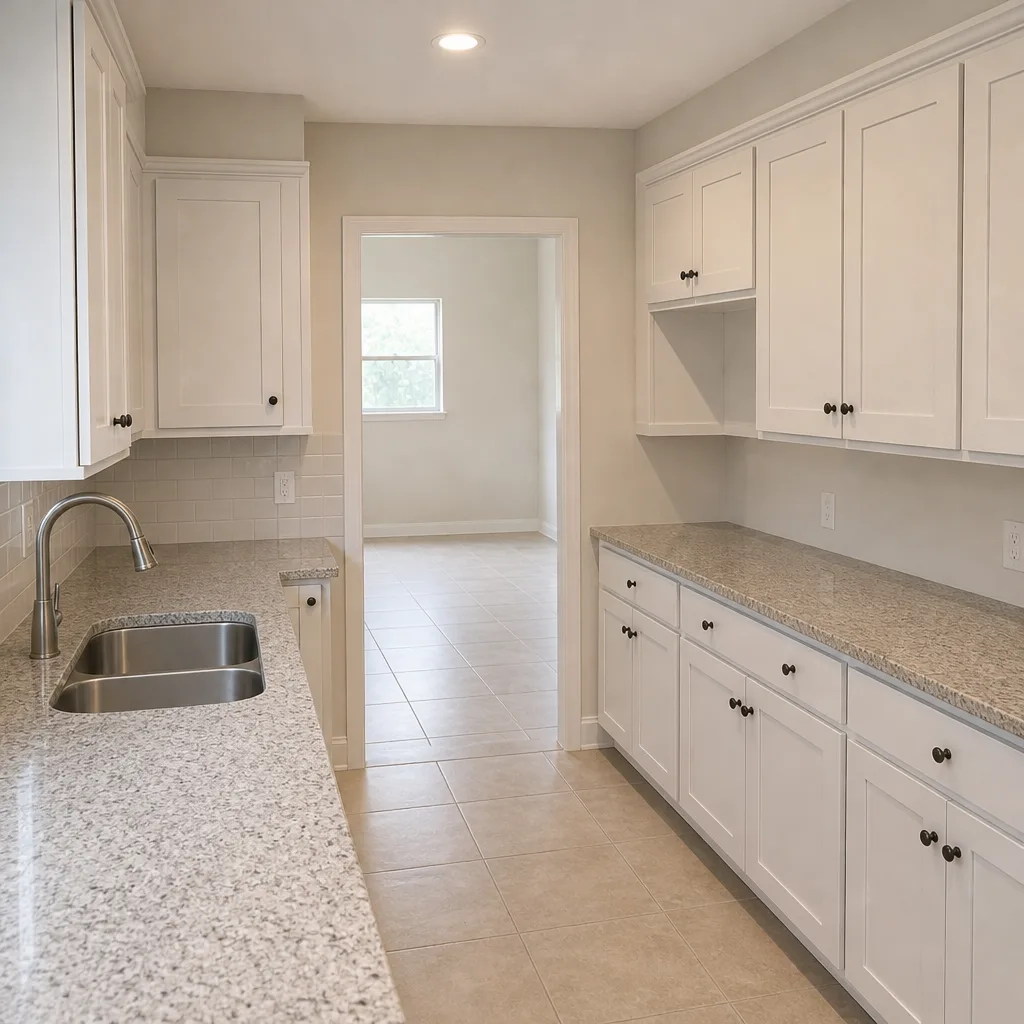
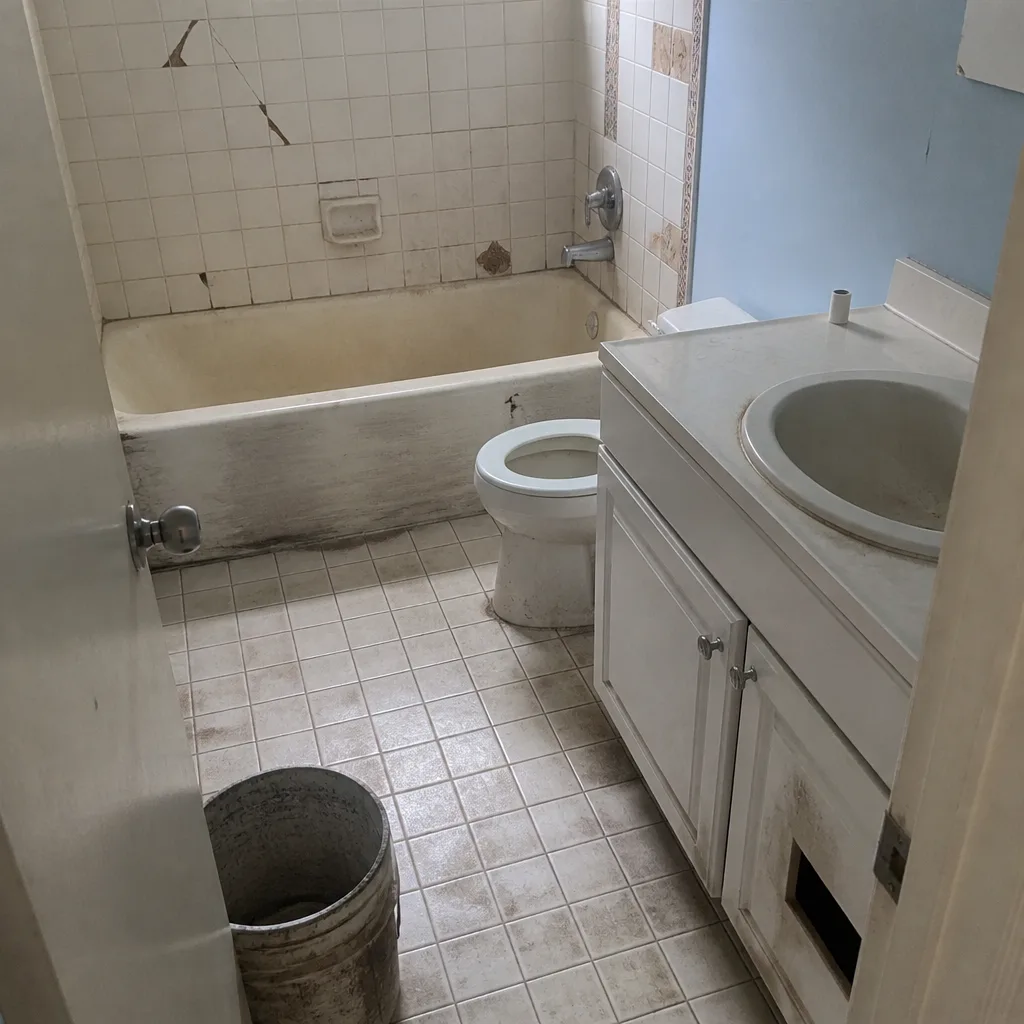
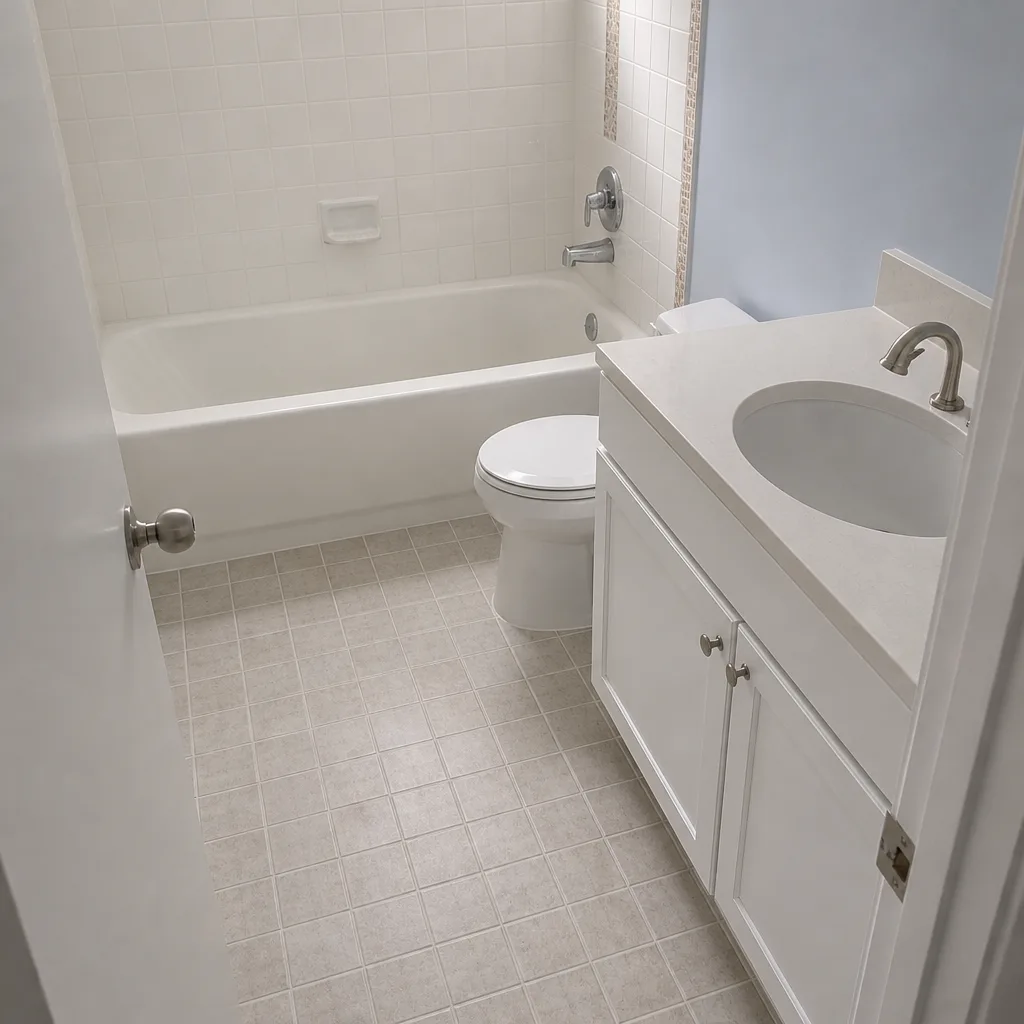
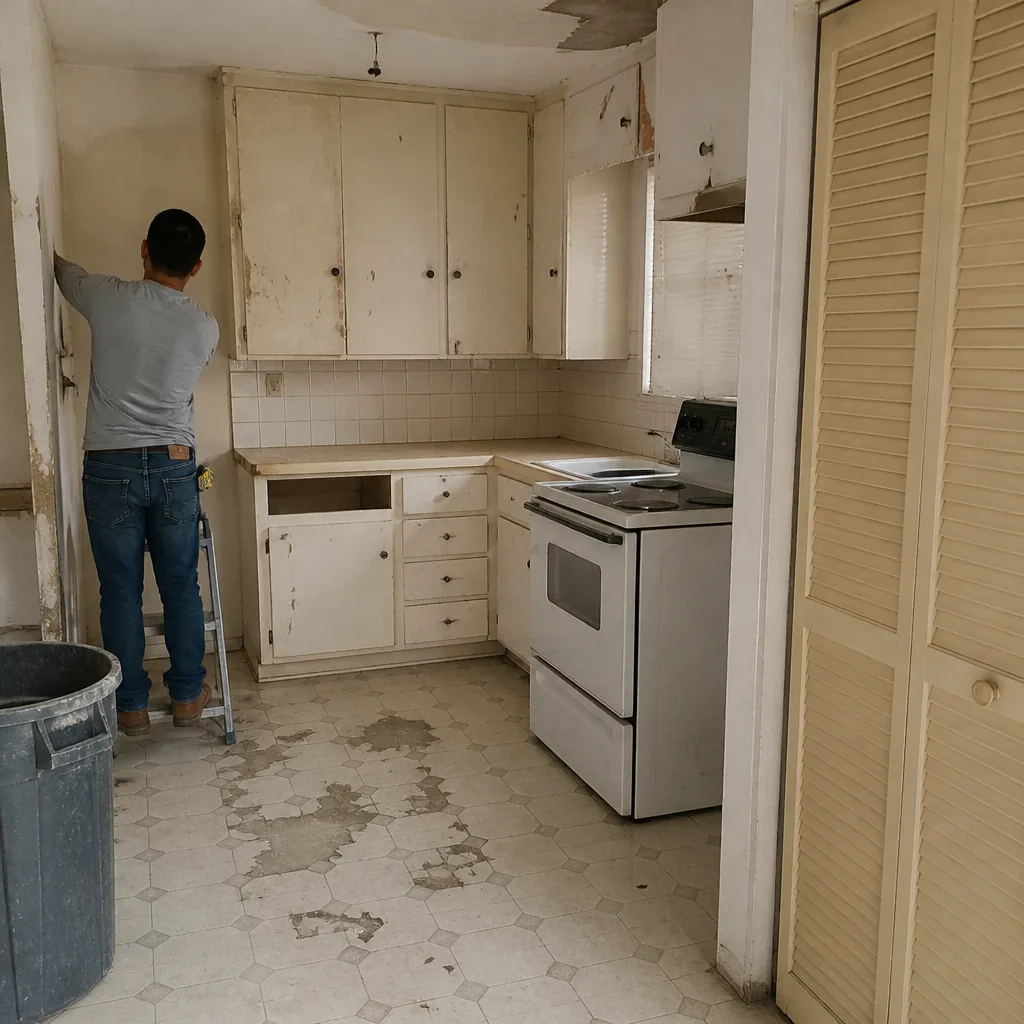
See the difference
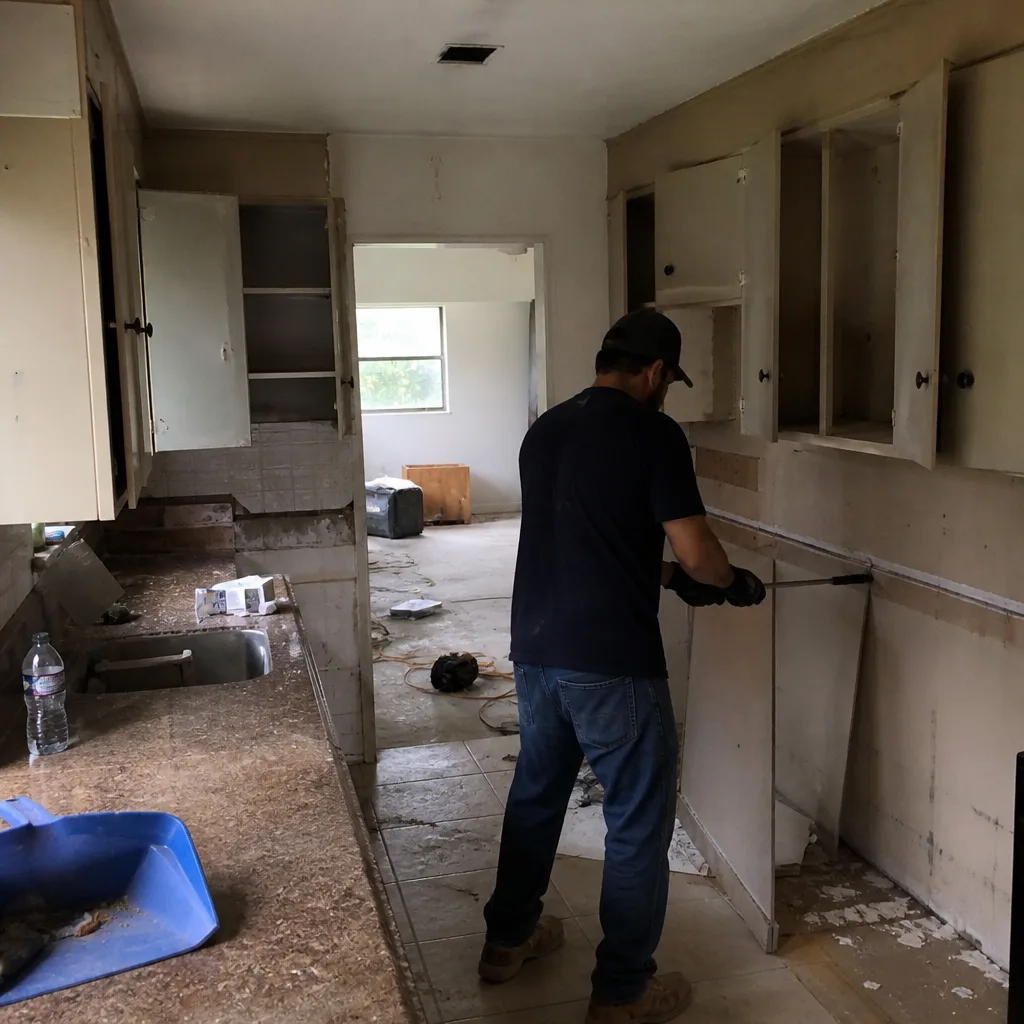 Before
 After
 Before
 After
 Before
 After
When to Call a Professional
Call a licensed contractor when water is entering the house, when any opening is compromised, when the roof deck shows movement or deflection, or when structural shoring is needed. Don’t climb the roof yourself, especially after a storm when surfaces are wet and wind-damaged shingles may not bear weight. In the High Velocity Hurricane Zone, any permanent repair to the roof, windows, or doors requires a permit and a product approval, so the work has to run through a licensed contractor regardless of how small the section looks. North Miami Beach Construction offers free estimates in North Miami Beach and can scope the temporary protection and the permanent repair under one contract, including fence installation and driveway & pavers when storm damage extends past the roofline. Call (844) 651-6043.
Frequently Asked Questions
A wind mitigation report, a 4-point inspection, a Miami-Dade permit history printout, and product approval numbers for the installed roofing and windows. Keep physical and digital copies accessible from a phone, and add your insurance declarations page and a labeled photo set of every elevation.
No, tarping is accepted mitigation when it’s documented and the insurer is notified. It becomes a problem when a homeowner replaces shingles or installs a permanent opening before the adjuster photographs the damage. Photograph the damage first, tarp, and keep receipts.
Yes, for temporary board-up and for manufactured storm panels installed per the manufacturer’s instructions on the openings they were approved for. Anything that alters the structure, replaces a window or door, or touches the roof beyond tarping requires a licensed contractor and a permit under HVHZ rules.
Timelines depend on the claim scope, the permit process, and product availability, not on how fast a contractor can start. The bottleneck is usually documentation and product approvals, which is why the June 1 file and a pre-qualified contractor shorten the process more than anything else.
Every roofing system, window, and door installed in the High Velocity Hurricane Zone must carry a Miami-Dade product approval and Notice of Acceptance. Without the number, the contractor can’t pull a valid permit or match the existing assembly like-for-like, which stalls the repair at inspection.
A properly written agreement establishes your contractor as the designated repair provider so the scope assessment and permit application start immediately after a storm. Read it carefully and confirm it doesn’t assign your insurance benefits or lock you into a later price. It should outline the scope, the documentation required, and your right to cancel.
Call (844) 651-6043 for an exact quote on your next construction project. Estimates are free. We answer 24/7. Fast dispatch from 7am to 7pm, Sunday through Friday.
The Bottom Line
Storm recovery in North Miami Beach is won or lost on paperwork and preparation long before the first warning. Assemble your wind mitigation report, 4-point inspection, Miami-Dade permit history, and product approval numbers by June 1. Know what qualifies as temporary protection and what voids a claim. Pre-qualify a licensed contractor so a September phone call doesn’t wait in a queue. Document your inspection in the order water moves: roof, windows, fence, driveway. The house will need repair either way; the difference between weeks and months in North Miami Beach is whether the documentation, permits, and contractor were already in place. That’s the work to do now, while the sky is clear.
Call (844) 651-6043 for a free estimate on roofing, windows and doors, fencing, driveways and pavers, or home additions & ADU scopes. We specify manufacturer-warranted materials and verify installation across every trade. We answer 24/7. Fast dispatch from 7am to 7pm, Sunday through Friday.
Written by the team at North Miami Beach Construction.