
Last updated November 17, 2026
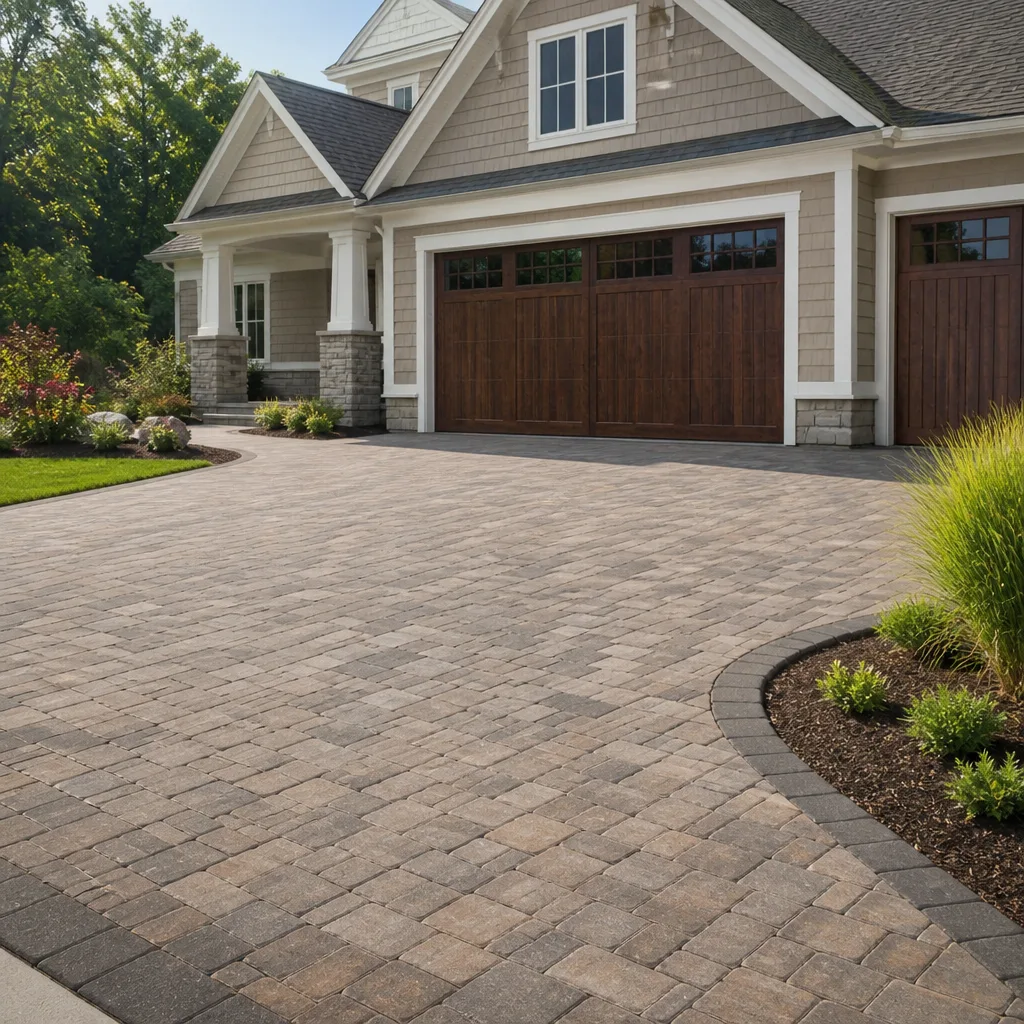 Driveway & pavers
 Kitchen remodeling
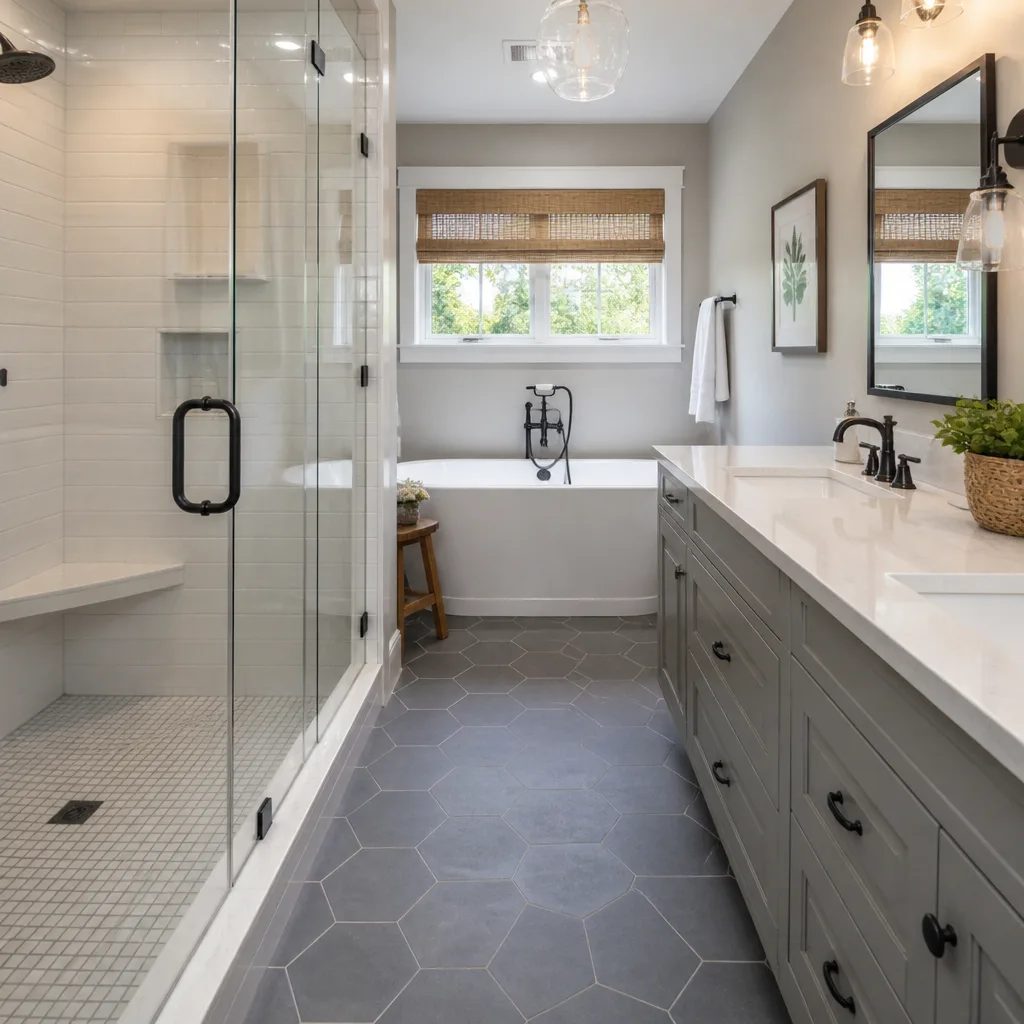 Bathroom remodeling
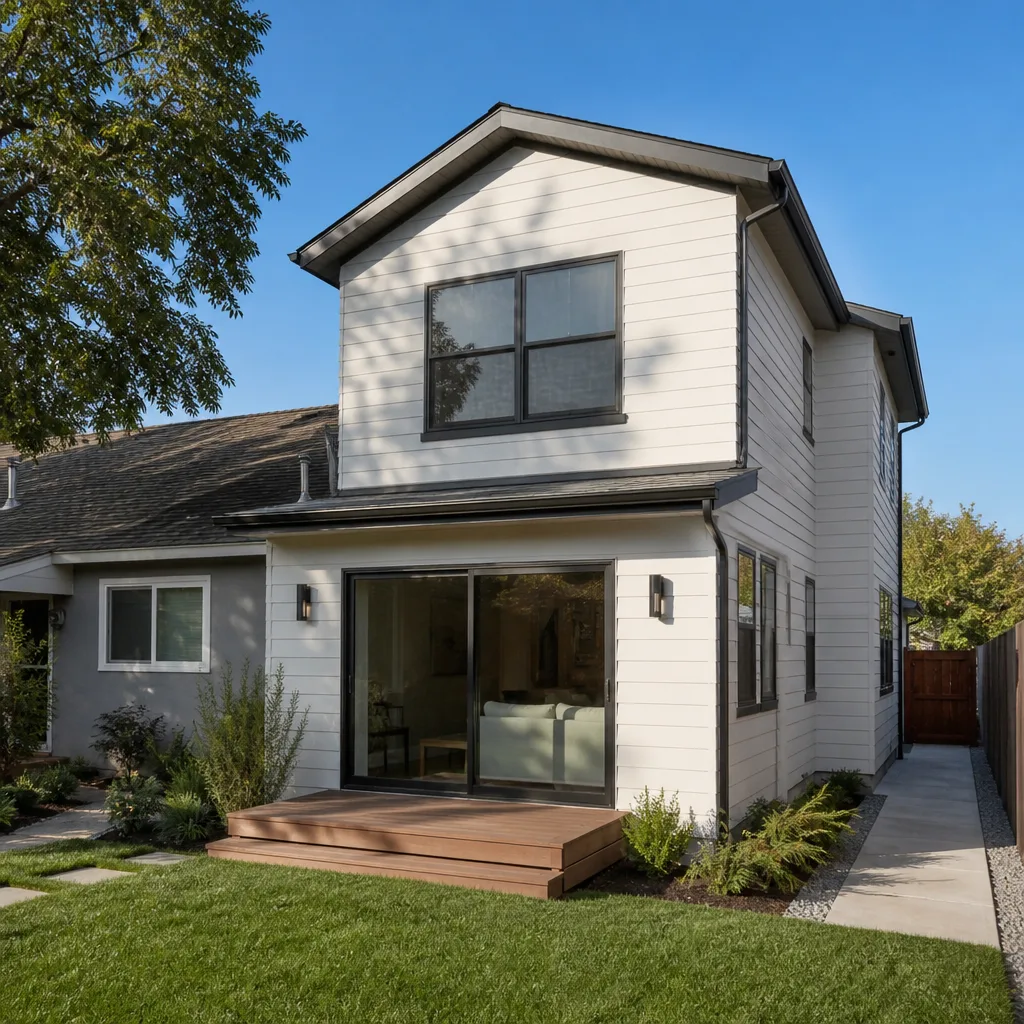 Home additions & ADU
 Roofing
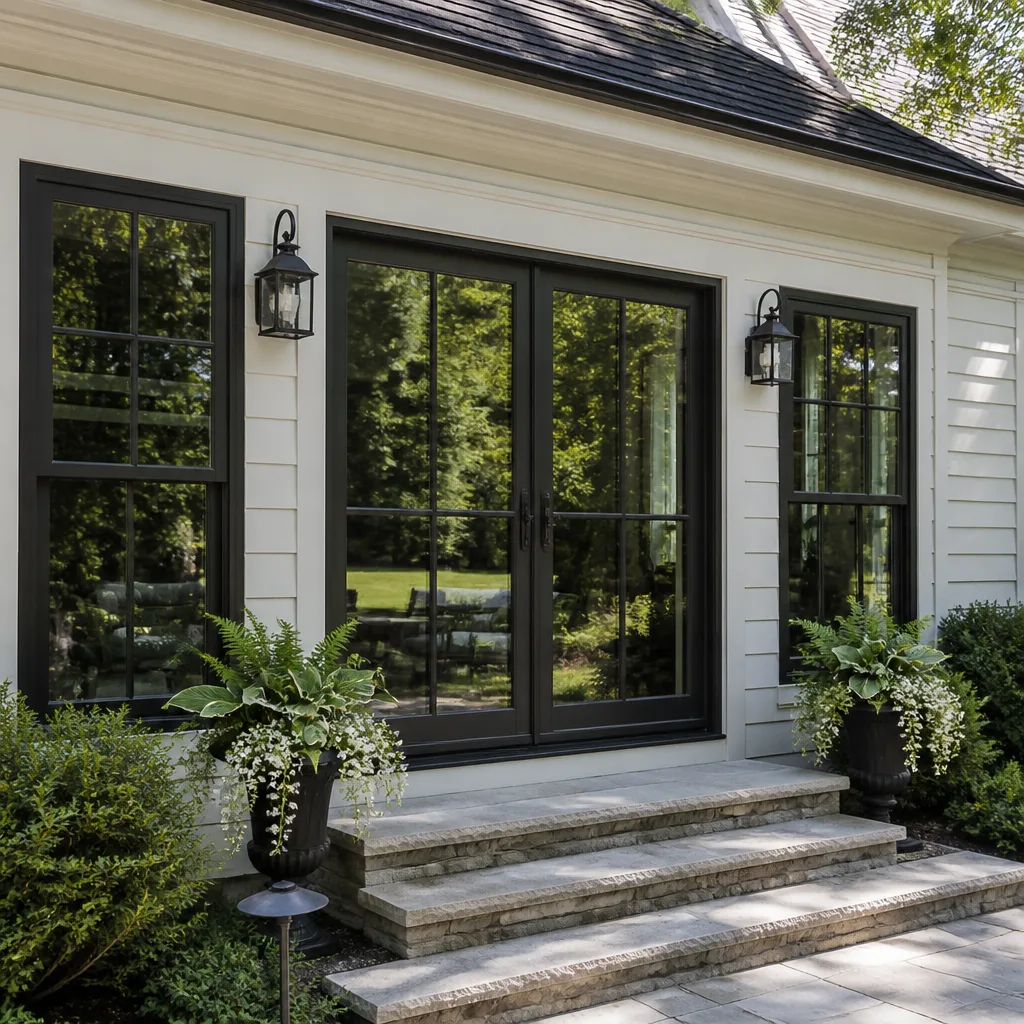 Windows & doors
 Fence
Free written scope consultation - allowances, timeline, and change-order rules on paper before a single trade is scheduled
Driveway & Pavers Maintenance Checklist for North Miami Beach Homeowners
Most driveway guides you’ll find online were written for Ohio, not North Miami Beach. That matters, because the failure pattern here is entirely different. Up north, pavers fail from freeze-thaw. Here, they fail from the opposite: relentless UV, standing water after daily summer downpours, and the slow movement of the marl and fill soils underneath. The number-one reason a paver driveway in North Miami Beach shifts and sinks has nothing to do with the installation and everything to do with what’s happening under the base. This checklist covers the specific checks, materials, and seasonal timing that actually work in South Florida.
Quick Answer
A paver driveway in North Miami Beach needs three things to last: an inspection after every major rain event to catch early subsidence, a polymeric sand specified for high-rainfall climates (not the standard formula), and sealing during the dry window between January and March. Pressure washing is the most misunderstood task on the list. Done wrong, it strips the joint sand and loosens the pavers faster than any weather pattern.
Styles & brands we work with
- Kitchen remodeling
- Bathroom remodeling
- Home additions & ADU
- Roofing
- Windows & doors
- Driveway & pavers
- Fence
Table of Contents
- Why Pavers Fail Differently in North Miami Beach
- How to Spot Early Subsidence After a Rain Event
- Polymeric Sand Selection for High-Rainfall Climates
- Efflorescence versus Spalling: Telling Them Apart
- Why Pressure Washing Damages Pavers (and the PSI to Use Instead)
- The Seasonal Checklist: October, January, and May
- Sealing: When It Helps and When It Hurts
- When to Call a Professional
Why Pavers Fail Differently in North Miami Beach
North Miami Beach sits on a mix of limestone and imported fill soils, and that combination behaves nothing like the compacted gravel base that paver manufacturers write their installation specs around. Marl and fill expand when saturated and contract as they dry. In a climate that swings between daily summer rain and long dry stretches, that cycle repeats dozens of times a year. The pavers above move with it.
That’s why a driveway that looked perfect at handoff can develop rocking pavers two summers later. It’s also why a standard polymeric sand re-application fixes the symptom and not the cause. The sand falls into a joint that’s now wider than it was, and the next downpour washes it right back out.
There are three failure modes we see most often in North Miami Beach:
- Base settlement. Soil beneath the base compacts unevenly, creating low spots where water pools instead of draining.
- Joint sand loss. UV degrades standard sand binders, and heavy rain washes out what’s left, leaving pavers free to shift.
- Surface degradation. Intense sun and mineral-heavy water combine to leave a chalky haze (efflorescence) that looks like damage but usually isn’t.
Each one has a different fix. Treating all three as “the pavers need re-sanding” wastes money and buys you a few months at best. A professional-grade paver from Belgard, Unilock, Tremron, Techo-Bloc, or Cambridge Pavers holds up well here, but only if the base and joints are maintained correctly around it. When a driveway’s base is failing, that’s work we handle through our driveway & pavers service, and it’s one of the most common calls we get from homeowners who’ve already tried re-sanding on their own.
How to Spot Early Subsidence After a Rain Event
Micro-dips are the earliest warning sign of sub-base movement, and they show up in the 24 hours after heavy rain when water is still standing in the low spots. Catch them at this stage and you’re looking at a targeted repair. Ignore them for a season and the base has to be rebuilt. The check takes five minutes and costs nothing.
Here’s the sequence to run after every major rain event:
- Walk the driveway in bare feet or flat shoes. You’ll feel a dip before you see one. Pay attention to the transition zones near the garage apron and the street.
- Look for standing water two hours after the rain stops. A properly sloped driveway drains within that window. Puddles that linger mark low spots.
- Press down on individual pavers at the corners. Any rocking motion means the bedding layer beneath has loosened.
- Check the joints. Joints wider than a quarter inch in a pattern that fans outward usually indicate base movement, not just sand loss.
- Photograph anything you find. A dated photo of the puddle or the loose paver helps a contractor assess progression without needing to see it fresh.
One dip near a downspout is often a drainage issue. Multiple dips spread across the driveway point to the base. That distinction drives the entire repair conversation, and it’s why we ask homeowners to do this check before we come out. Watching how the driveway behaves in North Miami Beach’s summer rain tells us more than any inspection done on a dry afternoon.
Polymeric Sand Selection for High-Rainfall Climates
Standard polymeric sand is not built for South Florida. Techniseal, one of the most widely specified brands in the trade, makes formulas specifically rated for wet climates, and the difference isn’t marketing. The high-performance versions use a binder that cures harder and resists washout under the kind of rain North Miami Beach gets between June and September. Standard sand in the same joints may hold through one season and fail by the next.
When we specify joint sand for a North Miami Beach driveway, we look for three things:
- Wet-climate or high-performance rating. Ask for the specific formula, not just the brand. Techniseal’s HP line and equivalent high-performance products from other manufacturers are built for this.
- Correct joint width. Polymeric sand needs a joint between roughly an eighth and an inch wide to lock properly. Too narrow and it can’t penetrate; too wide and it washes out.
- Proper curing conditions. The sand needs to set without rain for the first 24 hours. That’s why the dry season matters for this task as much as for sealing.
Re-sanding done with the wrong product is worse than no re-sanding at all. It gives a false sense of security for a season, then fails in the middle of hurricane season when you can least afford a loose paver field. If your driveway already has standard sand and it’s washing out every year, that’s the sign to switch formulas before you switch anything else. Sakrete makes joint sand products that work for smaller repairs and spot fills, but for a full driveway, specifying the right polymeric formula is the priority.
Efflorescence versus Spalling: Telling Them Apart
Efflorescence is a white, chalky deposit on the paver surface. Spalling is the top layer of the paver flaking or peeling off. They look similar in photos, but one is cosmetic and the other is structural, and treating them wrong causes real damage. Grinding efflorescence removes it. Grinding spalling makes it worse.
Here’s a quick way to tell them apart:
- Efflorescence wipes off, or fizzes slightly with a mild acid wash. It’s salt migrating to the surface through moisture. It comes back until the moisture source is addressed, but it doesn’t damage the paver.
- Spalling doesn’t wipe off. You can catch a fingernail on the edge of the flake. The paver surface is physically breaking down, often from a manufacturing defect or repeated pressure washing damage.
- Efflorescence appears in patches after rain. Spalling appears where the paver has been mechanically stressed, usually along a traffic path or near a joint that’s been washed repeatedly.
Efflorescence is common in North Miami Beach because the local water supply is mineral-heavy and the humidity keeps pavers damp. The fix is usually a proper acid wash and a breathable sealer, not grinding. Spalling requires replacing the affected pavers. If a contractor suggests grinding a paver driveway to fix a white haze without verifying what they’re looking at, ask them to confirm it’s efflorescence first.
Why Pressure Washing Damages Pavers (and the PSI to Use Instead)
Most homeowners in North Miami Beach damage their own pavers with a pressure washer they rented for a weekend. The typical rental unit pushes well over 3,000 PSI, and at a low angle that’s enough to blast out joint sand, chip paver edges, and drive water under the surface where it loosens the bedding layer. The driveway looks great for a week, then the pavers start rocking.
If you’re going to wash a paver driveway yourself, here’s the direction we give:
- Keep pressure under 2,000 PSI. Many purpose-built paver cleaners run around 1,500 PSI. If the machine doesn’t have an adjustable regulator, don’t use it on pavers.
- Hold the nozzle at a 25- or 40-degree angle. A turbo nozzle or a 0-degree tip concentrates the stream and is the fastest way to gouge a paver. A wide fan tip spread across the surface is what you want.
- Keep the tip moving. Holding the wand in one spot, even at low pressure, erodes the joint sand over time.
- Work with the joints, not across them. Washing perpendicular to joints blows sand out. Washing parallel to joints pushes debris along and causes less disruption.
After any pressure wash, the joints need to be refilled with polymeric sand. Skip that step and you’ve traded dirt for a loose paver field. In our experience, a light wash with a garden hose and a soft brush handles most North Miami Beach driveways without touching a pressure washer at all. Every year we’re called out to a North Miami Beach home where a homeowner meant to clean the driveway and instead created a re-sanding job. That’s the most preventable damage on this entire checklist.
The Seasonal Checklist: October, January, and May
South Florida’s climate gives you a predictable annual rhythm for paver maintenance, and matching your tasks to that rhythm is easier than doing everything twice a year. There are three key windows: after hurricane season ends, during the dry months, and ahead of the summer rain.
October: Post-Hurricane-Season Inspection
Once the Atlantic hurricane season closes, walk the driveway with a critical eye. This is the time to find the damage storms left behind, before the dry season locks it in.
- Run the subsidence check from earlier (rocking pavers, standing water, widened joints).
- Inspect the driveway edges where pavers meet the lawn or a wall. Storm runoff often undermines these first.
- Look for any paver that chipped during a storm. A chipped paver will spall further if it’s left in place.
- Check the joint sand level. If it’s dropped more than a quarter inch below the paver surface across a large area, plan a re-sand.
January through March: The Dry-Season Sealing Window
This is the only reliable window in North Miami Beach for a full sealing job. Sealer needs 24 to 48 hours of dry weather to cure, and the dry season is when you can count on it. Attempt a seal in August and the afternoon rain will ruin the finish before it cures.
- Re-sand joints with the wet-climate polymeric formula first.
- Clean the surface and let it dry completely (typically 48 hours) before sealing.
- Apply a breathable sealer (not a film-forming acrylic) so moisture can escape from the base.
May: Summer Prep
Before the summer rains set in, do a final pass:
- Check drainage. Clear any debris from the transition zone at the street edge. A blocked drainage path is the single biggest driver of paver settlement along the street side.
- Look at the sand level one more time and top off joints if needed.
- Confirm the downspouts are routed away from the driveway, not onto it.
Sealing: When It Helps and When It Hurts
Sealing a paver driveway in North Miami Beach helps when the pavers are clean, the joints are full of sand, and you have a dry window to cure. It hurts when the surface is damp, the base is already holding water, or the wrong sealer type is used. A film-forming acrylic sealer on a damp South Florida driveway traps moisture and accelerates the failure you were trying to prevent.
The right sealer for this climate is breathable, allowing moisture vapor to escape from the base while blocking surface water. Penetrating sealers achieve this and generally require re-application every few years. Film-forming sealers look glossier on the day of application but can blister, peel, or create a milky haze when moisture gets trapped beneath them.
Sealing does not fix a failing base. If your pavers are already rocking, sealing them just locks the problem in place and makes the eventual repair more expensive. Address subsidence first, re-sand second, and seal last. For a full driveway assessment in North Miami Beach, we’d rather you spend the sealing budget once at the right time than twice correcting a seal that failed.
Common Mistakes to Avoid
- Re-sanding with standard polymeric sand instead of a wet-climate formula. The standard product fails within a season here. Techniseal’s high-performance line and similar products are built for the rainfall North Miami Beach actually gets.
- Pressure washing at high PSI with a narrow nozzle. Rental units often run over 3,000 PSI. At that pressure you’re stripping the joint sand and chipping the pavers, which then need to be re-sanded and possibly replaced.
- Confusing efflorescence with spalling and grinding the surface. A white haze that wipes off is efflorescence and needs a wash and a breathable sealer. Grinding efflorescence exposes the paver surface and shortens its life.
- Sealing in the wet season. A sealer applied in June traps moisture and hazes within weeks. The only reliable window for North Miami Beach is the January through March dry stretch.
- Fixing the symptom instead of the base. Re-sanding a driveway with a subsiding base is a re-sand every June for the rest of the driveway’s life. Diagnose the base first.
- Ignoring the drainage route to the street. If the transition zone between the driveway and the street is blocked by landscaping or debris, storm water backs up under the pavers and accelerates base settlement.
- Using big-box commodity pavers for a repair. A replacement paver that doesn’t match the manufacturer’s spec or color match will stand out and may fail differently from the surrounding field.
When to Call a Professional
Most driveway maintenance in North Miami Beach is within a homeowner’s reach: the seasonal inspections, the annual joint sand top-off, the drainage checks. The work that isn’t DIY is the base. If your pavers are rocking across more than a handful of stones, if the driveway has multiple micro-dips spread across different zones, or if a full section has settled after repeated rain events, the base needs to be opened up and rebuilt. That’s not a job to tackle with a rented tamper.
We also get called when a homeowner has tried everything on this list and the driveway still isn’t right. If you’ve re-sanded with the correct formula, pressure washed carefully, sealed in the dry season, and the pavers are still shifting, the diagnosis is almost certainly the base, and the fix belongs with someone who does this for a living. Our technicians have up to 9 years of experience with North Miami Beach driveways, and we specify pavers from Belgard, Unilock, Tremron, Techo-Bloc, and Cambridge Pavers so the manufacturer warranty transfers to you. North Miami Beach Construction offers free estimates and written line-item quotes in North Miami Beach. Call (844) 651-6043 to schedule one.
Frequently Asked Questions
Typically once a year, and only at low pressure with a wide-angle nozzle. At under 2,000 PSI with a 25- or 40-degree fan tip you can clean the surface without stripping joint sand or chipping paver edges. Above that, or with a turbo nozzle, you’re damaging the driveway even though it looks cleaner on the day. If you’re not sure your washer can be dialed back, a garden hose and a soft brush handle most North Miami Beach driveways fine. For a proper clean-and-reseal, call (844) 651-6043 and we’ll put together a free estimate.
Almost always because the joint sand is the wrong formula for this climate. Standard polymeric sand doesn’t hold up to the daily summer rain in North Miami Beach. A high-performance wet-climate polymeric sand from a brand like Techniseal, correctly applied and cured through a 24-hour dry window, should hold through the season. If it still washes out, the base is moving and the joints are widening, which is a different repair. Call (844) 651-6043 for a free assessment.
No, or at least not reliably. Sealer needs 24 to 48 hours of dry weather to cure, and the summer rain schedule in North Miami Beach makes that a coin flip. The reliable window is January through March, during the dry season. Sealing in the wet months risks a hazy finish, trapped moisture, and a re-seal the following year. Book a free estimate before the dry season so the work lines up with the weather: (844) 651-6043.
Usually not. Efflorescence is salt migrating to the surface and it wipes off or fizzes lightly with a mild acid wash. Spalling is the paver surface physically flaking, and it doesn’t wipe off. If you can catch a fingernail on the flake, you’re looking at spalling and the affected pavers should be replaced. Efflorescence is far more common in North Miami Beach because of the mineral content in local water and the humidity that keeps pavers damp. Call (844) 651-6043 and we’ll identify which one you’re dealing with in a free estimate.
It depends entirely on whether you’re looking at joint sand, surface, or base. A full re-sand is the lowest-cost repair; targeted subsidence repair where a section of base is rebuilt is next; a full re-base is the highest. We provide written line-item quotes so you can see exactly what each stage involves before any work starts, and the written estimate sets the final price. Call (844) 651-6043 for a free estimate.
Repair if the base is intact and only the surface or joints are compromised. Replace if the base has failed across multiple zones and a repair would only last a couple of seasons. A proper diagnosis needs a physical look at the sub-base, which is what a free estimate includes. When the answer is replacement, we specify paver from Belgard, Unilock, Tremron, Techo-Bloc, or Cambridge Pavers so the manufacturer warranty carries to you. Call (844) 651-6043 to schedule the estimate.
Get a Free Estimate on Your North Miami Beach Driveway
If this checklist has surfaced a problem with your driveway, or if you’re ready to plan a re-sand, a repair, or a full re-pave, we’d like to see it. From your driveway to your roofline, we handle the seven trades under a single contract: driveway & pavers, fence installation, home additions & ADU, bathroom remodeling, windows & doors, roofing, and kitchen remodeling. If you’re already planning a larger property upgrade, that coordination is exactly the kind of work we do, and you can start with our North Miami Beach Construction overview to see how the trades fit together. Prefab ADU options through Abodu and Dvele can run alongside hardscape work if you’re adding a structure while redoing the driveway. Call (844) 651-6043 for a free estimate. We answer 24/7. Fast dispatch from 7am to 7pm, Sunday through Friday.
The Bottom Line
Driveway maintenance in North Miami Beach comes down to three moves that most online guides miss: inspect after every major rain event to catch subsidence early, specify a wet-climate polymeric sand instead of the standard formula, and seal only in the January through March dry window. Pressure washing is the task to be most careful with; the wrong PSI and nozzle cause more damage than any weather pattern. The base under the driveway is the one thing that isn’t a DIY fix. If you’re seeing rocking pavers or multiple dips, call (844) 651-6043 for a free estimate with a written line-item quote.
Written by the team at North Miami Beach Construction.
See the difference
 Before
 After
 Before
 After
 Before
 After