
Last updated November 17, 2026
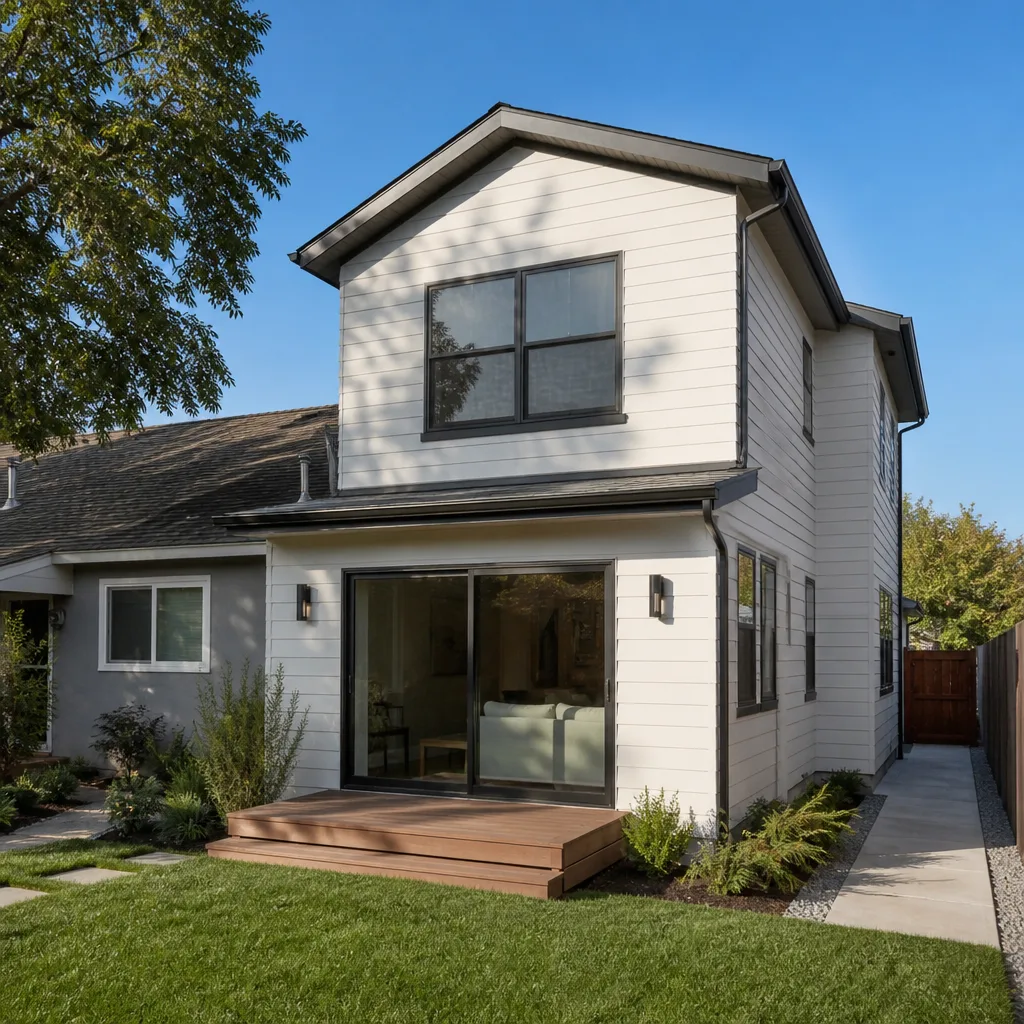 Home additions & ADU
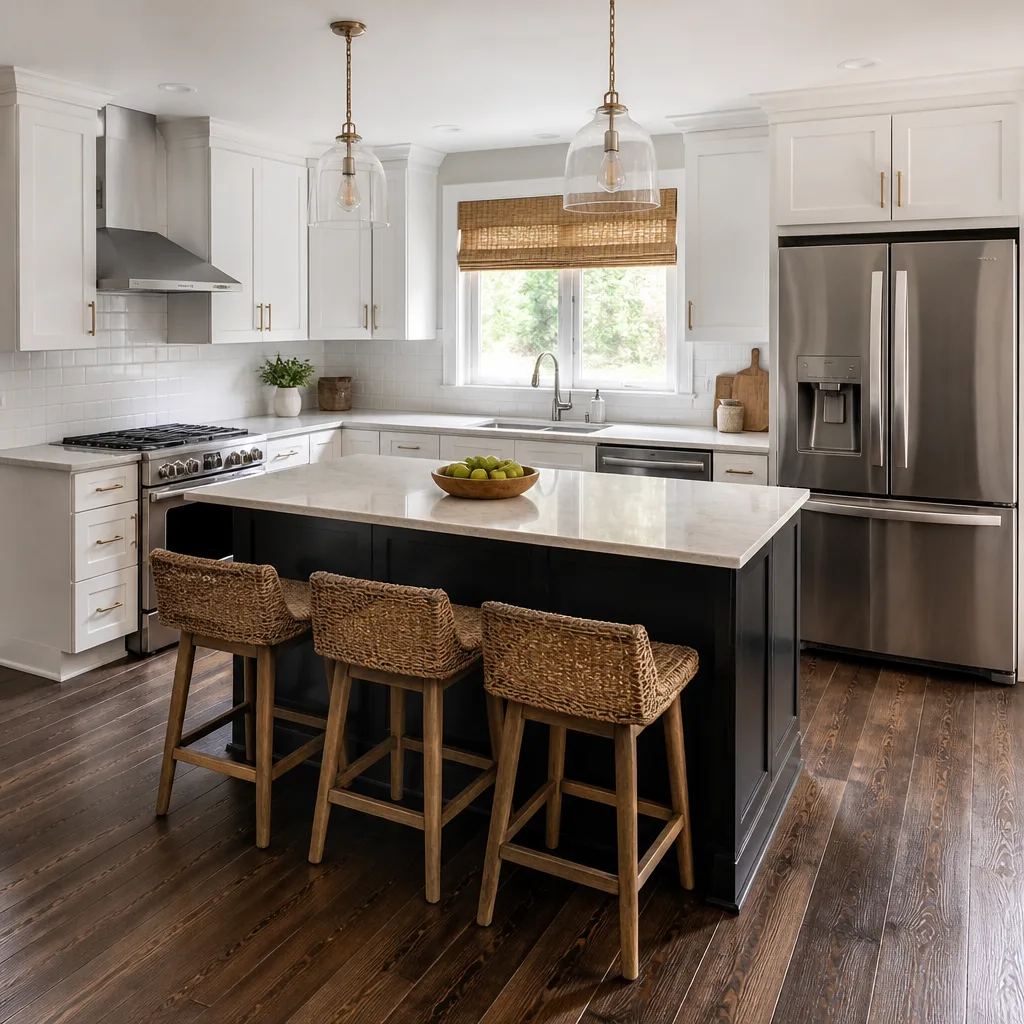 Kitchen remodeling
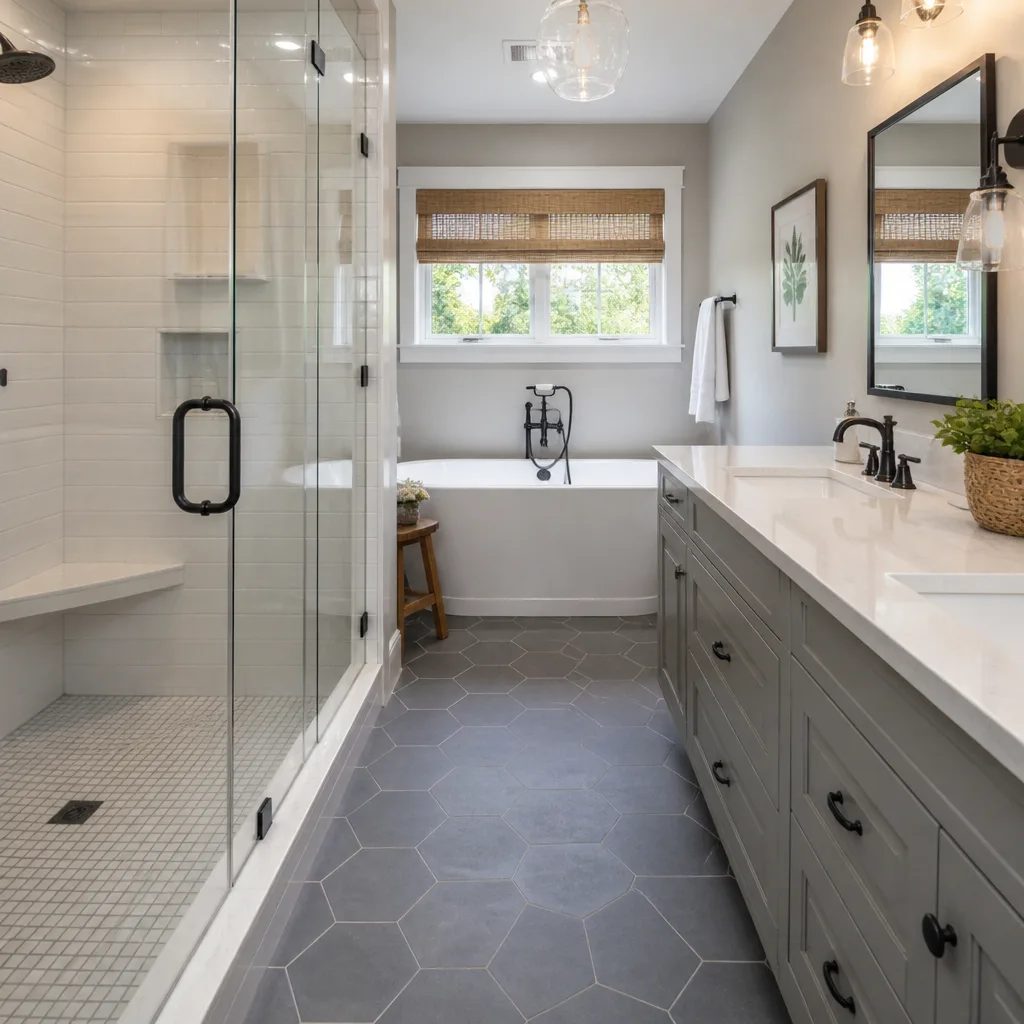 Bathroom remodeling
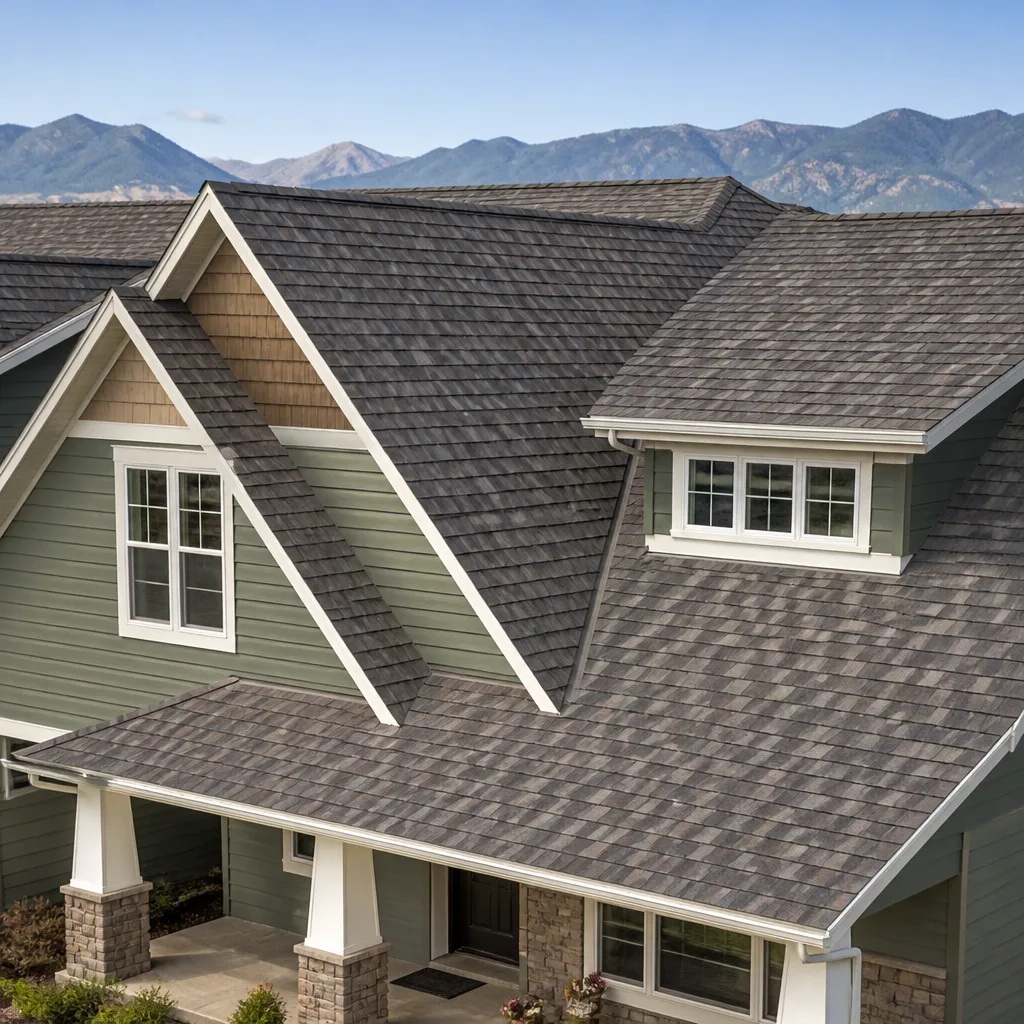 Roofing
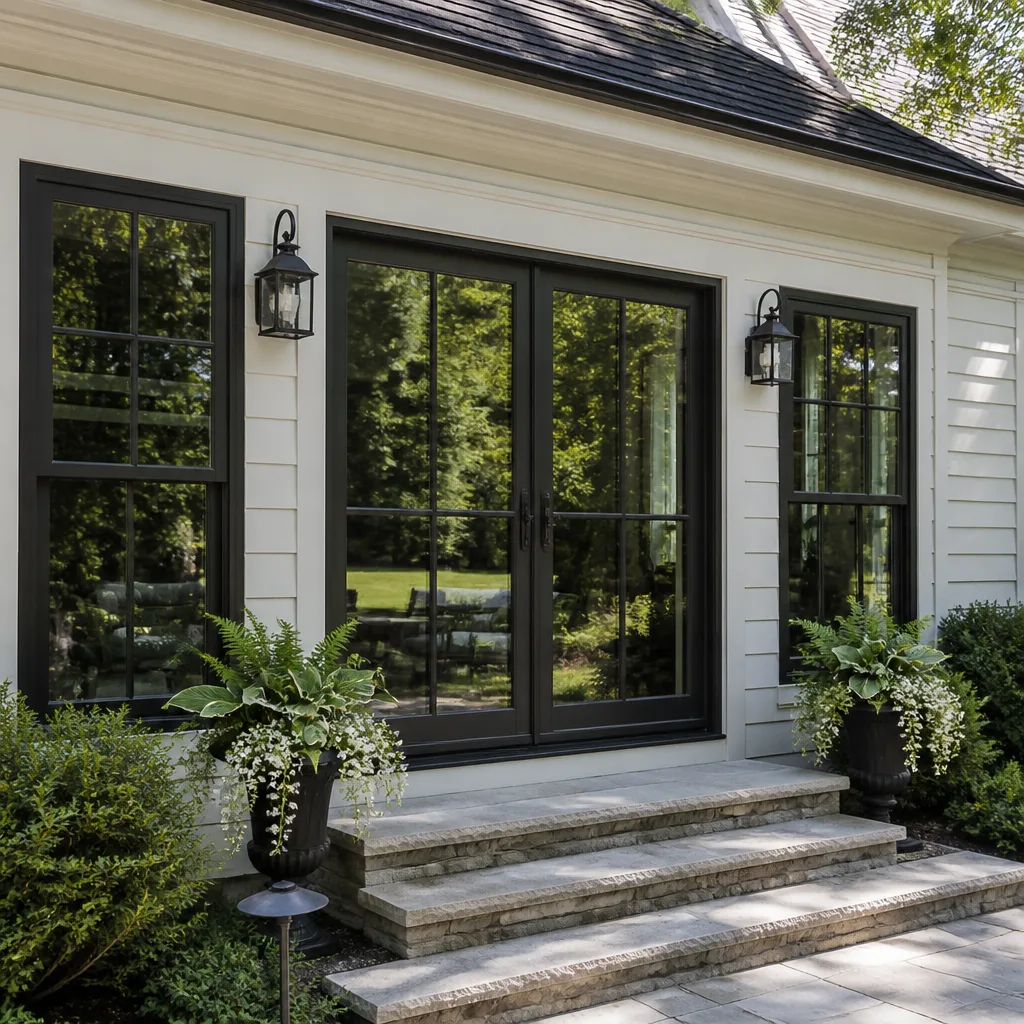 Windows & doors
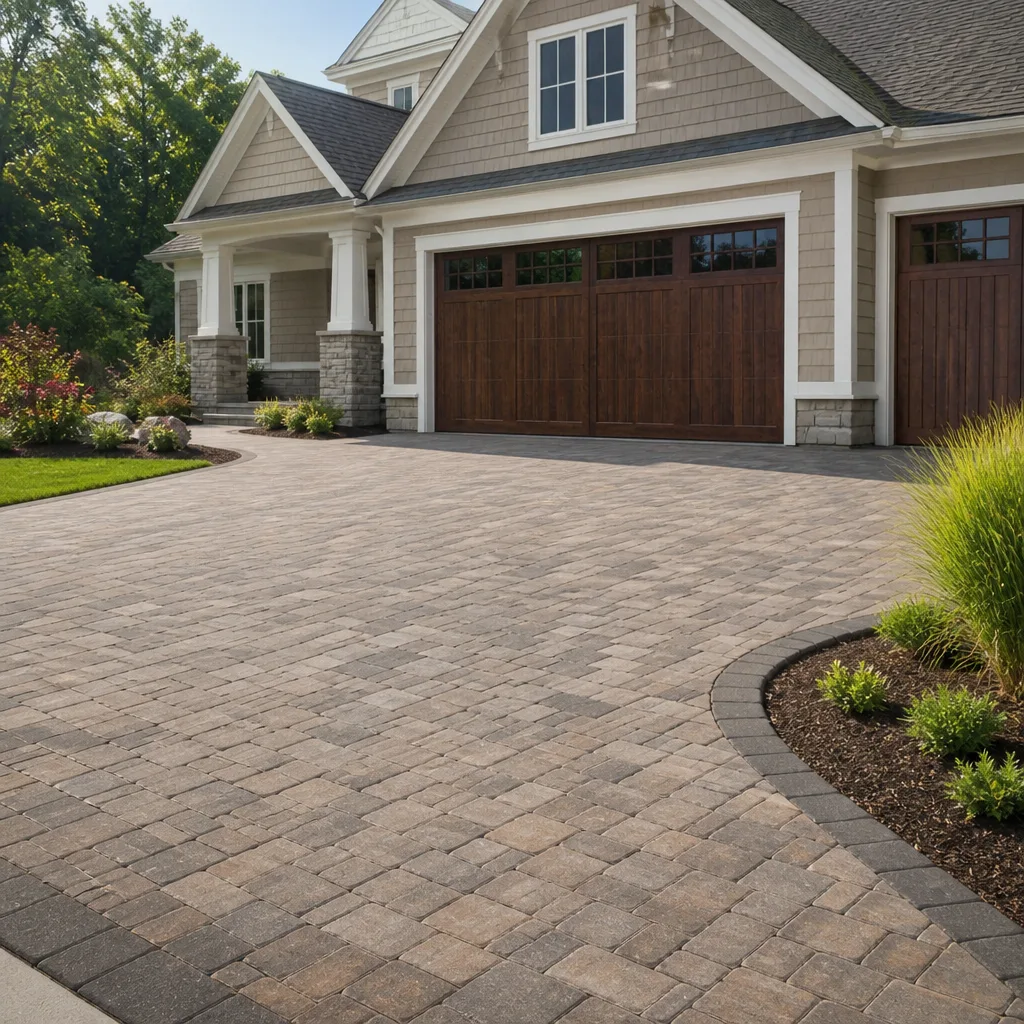 Driveway & pavers
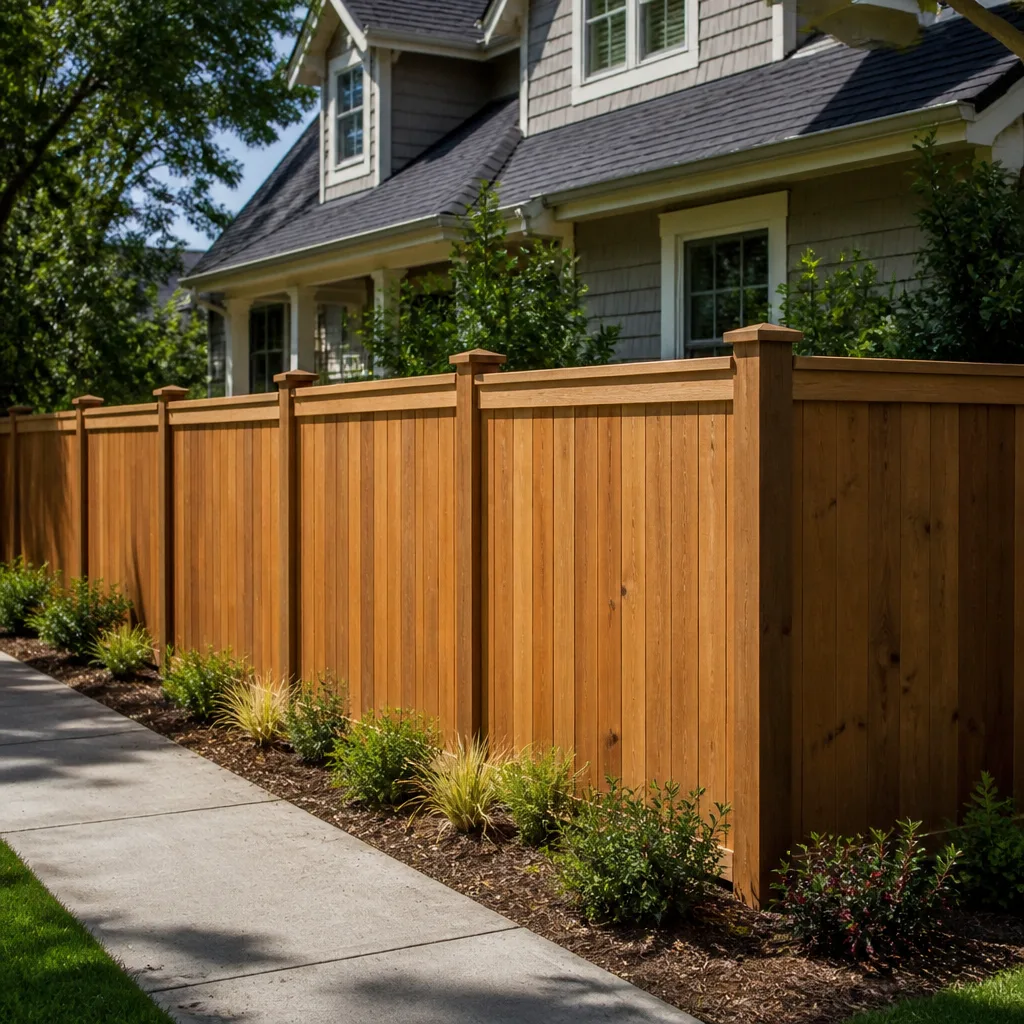 Fence
Free written scope consultation - allowances, timeline, and change-order rules on paper before a single trade is scheduled
Seasonal Construction Care for North Miami Beach: Year-Round Homeowner’s Guide
June 1 is not when hurricane preparation begins. By the time the first named storm forms, roofing crews are booked six weeks out, permitting queues are full, and the window for structural repairs has already shut. In North Miami Beach, the calendar doesn’t really have four seasons: it has two that matter, hurricane season and everything else. We wrote this guide for homeowners who want to work with that rhythm rather than against it. You’ll find month-by-month priorities, material-specific inspection guidance for tile, metal and TPO roofs, and the specific brand-level checks that actually matter before a storm.
Quick Answer
North Miami Beach homes need exterior construction work scheduled January through April, before summer rain and contractor demand peak, then managed through hurricane season with pre-storm inspections and post-storm material-specific checks. Interior remodels can run year-round because they aren’t exposed to weather. The biggest mistake is treating June as the start line, since permit queues and roofing schedules are already full by then.
Styles & brands we work with
- Kitchen remodeling
- Bathroom remodeling
- Home additions & ADU
- Roofing
- Windows & doors
- Driveway & pavers
- Fence
Table of Contents
- Why January Through April Is the Only Practical Exterior Window
- The Two-Mode Calendar: Hurricane Season vs. Everything Else
- When Afternoon Thunderstorms Make Concrete and Paver Work Unreliable
- How South Florida UV Affects Materials on a Seasonal Basis
- Pre-Hurricane Season Checklist by Material and Brand
- Post-Storm Inspection by Roof Type: Tile, Metal and TPO
- Interior Work That Runs Year-Round in North Miami Beach
- How to Sequence Multiple Projects Under One Contract
Why January Through April Is the Only Practical Exterior Window
January through April is the only reliable stretch in North Miami Beach for exterior construction that involves large material orders, permitting, or days of continuous dry weather. The reasoning is straightforward: rain frequency is lower, humidity is more manageable for sealants and finishes, and contractor demand hasn’t yet hit its summer peak. Wait until May and you’re competing with every other homeowner who suddenly remembered the Atlantic hurricane season starts on June 1.
What actually has to happen in that window:
- Roof replacement or repair. Tile, shingle, metal and TPO all benefit from a full dry week for proper installation. Roofing work extends across several weeks once you include permitting and inspection. Start in January and you can still finish by April.
- Window and door replacement. Impact-rated openings from PGT, CGI, CWS and ECO Window Systems involve lead times measured in weeks, and installation requires dry weather for proper flashing and sealant curing.
- Fence installation. Commercial-grade systems from Barrette, Master Halco, Ameristar, Jerith, Bufftech and ActiveYards install most reliably in dry conditions where post holes can be set properly and material reach the site without water damage.
- Driveway and paver work. Belgard, Unilock, Tremron, Techo-Bloc and Cambridge Pavers all need a dry base and proper sealant curing weather. See our driveway & pavers page for the full scope.
- Exterior caulking and painting. Silicone and polyurethane sealants around windows and doors want moderate humidity for adhesion and curing.
In our experience, North Miami Beach homeowners who call in January get better scheduling flexibility and a wider choice of material lead times than those who call in May. The work itself costs the same; the timing is what changes.
The Two-Mode Calendar: Hurricane Season vs. Everything Else
Treat the year as two operational modes rather than four seasons. Mode one runs June 1 through November 30, when the priority is protecting what’s built and inspecting for storm damage. Mode two runs December through May, when the priority is building and upgrading before the next cycle starts. Everything below falls into one of those two buckets.
Hurricane Season Mode (June 1 – November 30)
- Pre-storm inspection on the roofing system, window and door hardware, fence anchoring and drainage.
- Emergency repair and temporary weatherproofing after named storms or major tropical systems.
- Interior work that isn’t weather-exposed: kitchens, bathrooms, and interior portions of additions.
- Permitting procurement for the following spring, since permit queues are shorter than in pre-season rushes.
Building Mode (December 1 – May 31)
- Full roof replacement and window and door upgrades for impact-rated products.
- Exterior fence, driveway and paver installs scheduled around our drier months.
- Structural work on home additions & ADU projects that need continuous dry weather for framing and roofing tie-ins.
- Exterior painting, sealant replacement and UV-related maintenance.
If you’re working with a single contractor on multiple projects, ordering them by mode is the practical way to keep from ending up with two half-finished jobs at once. Roofing in January, windows in February, driveway in March, fence in April; interior work in the summer.
When Afternoon Thunderstorms Make Concrete and Paver Work Unreliable
July through early October is the riskiest stretch in North Miami Beach for exterior concrete and paver installation, because the daily afternoon thunderstorm pattern makes the base and curing schedule unpredictable. That doesn’t mean the work can’t happen; it means a professional has to build schedule contingency around it and be honest with you about the risk.
Here’s what a good contractor tells you about summer hardscape scheduling:
- Base prep needs a dry window of at least two days. Compaction fails if the sub-base is saturated. On a summer installation, we schedule base prep on the earliest dry morning in the ten-day forecast and hold the pour or paver lay until we have confirmation of another dry stretch.
- Paver setting beds are vulnerable to heavy rain. Bedding sand washes out and material shifts if the storm hits between prep and lay. Belgard and Tremron pavers are durable; the sub-grade and setting bed are what fail.
- Concrete cure time is affected by humidity, not just temperature. Concrete poured at high humidity throughout July and August cures slower and can develop surface issues if finished too early. We allow more slack in the schedule and won’t rush the finish.
- Sealers need a dry, moderate window. Pavers can be installed and sealed later if needed, and often should be in summer.
- Staging and material delivery risk goes up. A pallet of pavers on a North Miami Beach street in July is exposed to afternoon rain; we plan delivery around the same weather windows as the install.
The honest version: if a contractor tells you they can promise a precise completion date for a July driveway install in North Miami Beach, they’re either lucky or they’re not accounting for the weather pattern. A defensible schedule builds in weather contingency and tells you what conditions will trigger a delay.
How South Florida UV Affects Materials on a Seasonal Basis
South Florida’s UV load degrades specific materials on a predictable seasonal cycle, and knowing which ones to check when is the difference between a small fix and a larger repair. The three to monitor most closely:
Window and Door Sealants
Silicone caulk around windows and doors takes the most UV exposure of any exterior sealant on a home. In our humidity and sun, we inspect it in spring (March – April) and again in fall (October – November): the two transition points where sealant failure is easiest to catch before a rainy season. PGT and CGI windows have specific sealant and gasket recommendations, and using the wrong product voiding the warranty is a real risk. If the caulk around your impact windows looks chalky, has visible gaps, or pulls away when pressed, it needs re-sealing before the next storm cycle.
Driveway Sealers
Driveway sealer off-gasses differently depending on temperature. In peak summer heat, solvent-based sealers flash quickly and can cure unevenly under direct UV and afternoon rain. The best window for sealing a North Miami Beach driveway is late March through May, when evening temperatures are still moderate enough for a controlled cure. In summer, we’ll often stage installations to complete in the cooler months rather than force a seal coat that may not hold.
Paint and Exterior Finishes
Exterior paint and elastomeric coatings cure best in moderate temperatures and moderate humidity. Late spring is ideal; midsummer is possible but the crew needs to start earlier in the day to avoid finishing into the afternoon storm window. James Hardie fiber cement siding, which we offer as part of exterior, addition and ADU scopes, holds up better than wood under UV, but the coating still ages and should be inspected annually.
Pre-Hurricane Season Checklist by Material and Brand
This is the checklist we run on North Miami Beach homes between March and May, before the season starts, and again in a limited form during the June rapid-inspection window. It is brand-specific because specific manufacturers specify their own fastening, sealing and hardware requirements, and getting those wrong creates a real warranty problem after a storm.
Roofing: Owens Corning, GAF and CertainTeed
- Verify the fastening pattern against the manufacturer’s high-wind specification. Owens Corning, GAF and CertainTeed each publish a distinct fastening schedule for their products in high-wind zones. A roof that was installed to the wrong nailing pattern may not stay on in a strong storm, and the warranty often excludes wind damage where the pattern wasn’t followed.
- Check that the underlayment and flashing at valleys and penetrations haven’t lifted. Wind-driven rain finds the smallest opening. We look at ridge caps, pipe boots, valley metal and the perimeter drip edge.
- Look at the roof edge for loose material. Missing or lifted shingles at the eaves and ridge are the most common wind failure points. On tile roofs, look for visibly displaced tiles.
- Confirm the roof-to-wall connection hasn’t been compromised. This is an inspection item for a licensed professional, not a homeowner check, because opening the attic insulation at the perimeter is not a safe DIY task.
Impact Windows and Doors: PGT and CGI Hardware Checks
- Cycle every window and door through its full range and confirm the lock engages. PGT and CGI impact products rely on a specific latch and multi-point locking alignment. A window that won’t fully seat its locks is a window that may fail pressure in a storm.
- Inspect gaskets and weatherstripping for surface cracking. UV damages them faster than the frames. Replace any that are visibly degraded per the manufacturer’s spec.
- Clear weep holes. Blocked weep holes can cause water to migrate into the interior wall cavity during a driving rain. This is one of the cheapest pre-storm items and one of the most overlooked.
- Confirm the impact-rating label or etching is still legible. If the label has worn away, photograph the window assembly for your record before the season starts.
Fencing: Barrette, Ameristar, Jerith
- Walk the perimeter and confirm post stability. Any post that moves under hand pressure has failed anchoring and needs remediation before the season.
- Check gate hinges and latches; a gate that swings free in high wind can damage the fence line.
- Review the manufacturer’s high-wind specification for your specific product (aluminum, vinyl or composite systems all differ).
Hardscape and Paver Sealing
- Re-level any settled pavers before rain season; a small dip becomes a standing-water problem.
- Check joint sand; washed-out joints allow paver movement under rain load.
- Verify the sealer coat hasn’t worn to expose the surface.
Post-Storm Inspection by Roof Type: Tile, Metal and TPO
After a major tropical system, what you look for depends entirely on what type of roof you have. The following is what a professional walk-through covers, organized by material. We don’t recommend homeowners climb onto a roof to do these checks themselves, especially after a storm; ground-level binocular inspection plus an interior attic check is the safe homeowner approach, and a professional is who handles the roof surface inspection.
Tile Roofs
- Displaced or cracked tiles. Tile is more brittle than other roofing and can crack or shift under wind-driven debris. Individual displaced tiles can often be reset; that requires removing and reinstalling without damaging adjacent tile.
- Failed underlayment at the tile field. Tile is a rain screen; the actual waterproofing is underlayment. Aged underlayment that cracked during the storm shows up as interior water staining, especially in the first rain after the storm.
- Ridge and hip tile separation. These are the highest-wind areas of the roof and are the most common failure location after a storm.
Metal Roofs
- Fastener back-out. Metal roofs use concealed or exposed fasteners that can loosen under wind cycling. A single loose fastener is a slow water entry point that becomes visible weeks later.
- Panel deformation and seam separation. Standing-seam panels can lift slightly at seams after a strong storm without visibly detaching; check the seam line for signs the seal has begun to open.
- Flashing condition at penetrations. Vents and pipes are the most likely water entry points.
Flat TPO and Low-Slope Roofs
- Ponding water that doesn’t drain within 48 hours. Ponding that lingers past 48 hours suggests a slope or drainage issue and needs an inspection.
- Membrane seam lifting. TPO membrane seams are heat-welded; wind can lift them where the weld has aged. A lifted seam is a fast path to interior water.
- Debris accumulation at drains and scuppers. Clear before the next storm cycle. Standing debris holds water against the membrane and shortens membrane life.
- Canopy and equipment attachment points. Anything mechanical that got shifted by the storm may be abrading the membrane; that needs professional attention, not a homeowner patch.
On any material, if the interior ceiling shows a new water stain within the first week after a storm, treat it as an urgent finding. Water entry that isn’t caught fast damages drywall, insulation, and framing, and the repair cost multiplies each week it sits.
Interior Work That Runs Year-Round in North Miami Beach
Interior remodels sidestep hurricane-season scheduling entirely, since they don’t depend on dry weather. That makes June through November the practical window for the parts of a North Miami Beach home that need updating from the inside. Kitchens, bathrooms, interior portions of additions, and interior door and trim upgrades are all projects that fit into the storm-season schedule without weather risk.
For kitchen and bathroom work, spec the materials carefully because they’re what you’ll live with for the next fifteen years. Wirings, plumbing, and cabinets are the load-bearing decisions:
- Cabinetry. KraftMaid and Wellborn both publish warranty structures tied to the cabinet line and the installation method. Ask for the specific line being spec’d, not just the brand name.
- Counter surfaces. Cambria, Silestone and Caesarstone are all quartz-based engineered surfaces. The visible difference across a well-run project usually comes from fabrication and installation quality more than the slab itself.
- Fixtures. Kohler, Moen, Grohe and Toto each have a distinct shower valve platform. Mismatching rough-in valve and trim from different families is a common source of leaks and replacement cost.
- Waterproofing. Florida-moisture bathroom installations need a waterproofing membrane rather than drywall. Ask what membrane is being used and how it is tied into the shower pan.
Because interior work doesn’t compete for weather windows, it’s also the easiest category to pair with a roofing or window project running in the winter. If your bathroom project is delayed waiting on a specific material, the roofing project keeps moving meanwhile. One schedule, one point of contact. North Miami Beach Construction handles all of these trades under one contract, which is the practical version of that idea.
How to Sequence Multiple Projects Under One Contract
Most homeowners we work with in North Miami Beach have more than one project on the list. What actually matters for sequencing isn’t the order you’d like things done, but the order that avoids tearing up finished work and keeps weather risk contained. This is the sequence we recommend when a homeowner is scheduling multiple trades across the calendar year:
- Roof first. Roofing protects the interior, so all other exterior and interior work runs safer after the roof is done.
- Windows and doors second. Openings need to be sealed before interior finishes, since interior trim and paint tie into the window reveals.
- Structural additions and ADUs third. Roof tie-ins and framing tie into the new work; sequencing additions after roofing means the addition ties into a known-good roof.
- Exterior hardscape and fencing fourth. Driveways and paver work last among exterior, because concrete and paver work can disturb staked material delivery and access. Fence installation also benefits from going last, since fencing defines the final property line and staging.
- Interior kitchens, bathrooms and finishes as the interior work block. These can run in the summer against the storm-season calendar with no weather exposure.
Why does a single-contract sequence matter? Because when the roof, windows, additions, fence and paver work are all being scheduled by separate contractors, each one treats its own timeline as primary. A delay in one bumps the others and nobody owns the schedule. One crew and one point of contact across all seven trades keeps the whole sequence coherent and keeps each trade from having to rework what an earlier trade did.
Manufacturer-warranted materials, verified installation, and a written line-item quote are what make the sequence accountable. From your driveway to your roofline, the contract covers the whole sequence, so the warranty on one trade isn’t invalidated by the work of another.
Common Mistakes to Avoid
- Scheduling exterior work in July. North Miami Beach’s afternoon thunderstorm pattern makes concrete and paver installation unreliable through the summer. Schedule those jobs for December through May and build a weather contingency into the schedule.
- Treating June 1 as the start line. By hurricane season, we’re booked and permits are queued. Do structural and roofing work in January through April so the roof is confirmed for the season, not being installed during it.
- Using the wrong sealant on impact windows. PGT, CGI and other manufacturers specify particular sealant chemistries. A hardware store product that “looks the same” can void the weather seal warranty on a $500 window.
- Skipping the pre-storm gasket and hardware check. A window that won’t fully seat its locks is one that’s vulnerable to pressure-driven rain. Cycle locks and inspect gaskets every spring.
- Ignoring the interior ceiling after a storm. A new water stain shows up in the first rain after a storm. If it appears, treat it as urgent; water entry damages framing faster than most homeowners expect.
- Hiring different contractors for each trade. Separate contractors for roofing, windows, hardscape and interior work each defend their own schedule. A single-contract scope keeps the whole sequence accountable.
- Assuming brand-name materials are automatically installed to spec. Owens Corning, GAF and CertainTeed all publish distinct fastening schedules; installation has to match the product’s high-wind spec, not the brand name alone. Ask for the specification in writing.
See the difference
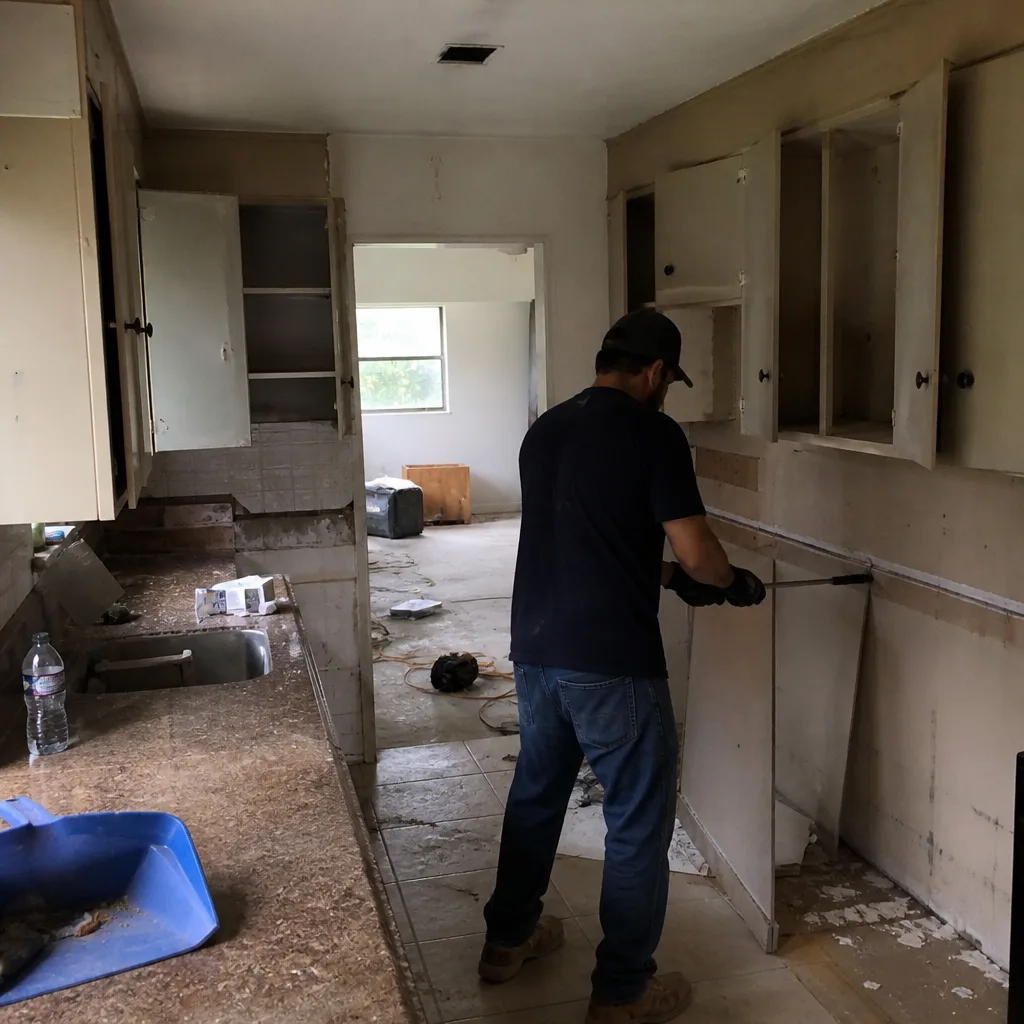 Before
 After
 Before
 After
 Before
 After
When to Call a Professional
Call a professional if you see what looks like a failed sealant around impact windows, a new ceiling stain after a rain, or displaced shingles or tiles. Call if a fence post moves under hand pressure, if water ponds on a flat roof past 48 hours, or if a driveway shows settling after the storm. Call if your interior ceiling paint begins to lift after a major storm, since that suggests moisture entry from above. And call if you’re planning a spring project and haven’t started the permit process, because the queue length is what forces homeowners into a rush. North Miami Beach Construction offers free estimates in North Miami Beach; call (844) 651-6043. We answer 24/7 with fast dispatch from 7am to 7pm, Sunday through Friday.
Frequently Asked Questions
January through April is the most reliable window for roofing, impact windows, fencing, driveways and pavers in North Miami Beach. The rain frequency is lower, humidity is more manageable for sealants and finishes, and contractor demand hasn’t hit the summer peak that makes lead times long. Interior work runs year-round because it isn’t weather-exposed.
It’s possible but unreliable. North Miami Beach’s afternoon thunderstorm pattern through July, August and September makes base prep and curing windows tight, and a good contractor builds weather contingency into the schedule rather than promising a firm date. The safer plan is to schedule hardscape work December through May. Call (844) 651-6043 for an exact quote; estimates are free.
Have it inspected by a professional, not a homeowner climb. The check that matters is whether the fastening pattern matches the manufacturer’s high-wind specification for your specific product, and whether flashing at penetrations and roof edges is intact. Owens Corning, GAF and CertainTeed each publish their own high-wind fastening schedules; installation has to follow the spec, not the brand name. Call (844) 651-6043 if you want a pre-season inspection scheduled.
UV exposure and humidity here degrade silicone faster than in cooler climates. In our experience, sealant around windows and doors should be inspected every spring and fall, and replaced when it’s chalky, gapped, or pulling away. PGT and CGI windows specify particular sealant chemistries; using a hardware store product that doesn’t match the spec can void the weather-seal warranty. Call (844) 651-6043 for an inspection and estimate.
Cycle every window and door through its full range and confirm the locks fully seat. Inspect the gasket and weatherstripping for surface cracking, clear weep holes, and photograph the impact-rating label if it’s still legible. PGT and CGI hardware checks are quick and one of the most valuable pre-storm items. Call (844) 651-6043 to schedule a window and door check.
Yes. Roofing, windows and doors, home additions and ADUs, kitchen remodels, bathroom remodels, fencing and driveways and pavers are all under one contract with a single point of contact. That’s how a North Miami Beach homeowner can sequence roofing for January, windows for February, and interior work through the summer without juggling separate contractors. Call (844) 651-6043 for a free estimate across any combination.
The Bottom Line
North Miami Beach doesn’t have four seasons; it has hurricane season and the build season. Work with that rhythm and the year organizes itself: January through April for roofing, windows, fencing and hardscape before demand and rain collide; June through November for interior work and pre-storm inspections on the exterior. Material choices matter, and so do the manufacturer specs behind them: Owens Corning, GAF and CertainTeed each define their own fastening requirements, PGT and CGI each define their own hardware checks, and the paver brands we work with carry their own manufacturer warranties. From your driveway to your roofline, one contract and one point of contact keep the whole sequence accountable through the year.
For a free estimate in North Miami Beach, call (844) 651-6043. We answer 24/7. Fast dispatch from 7am to 7pm, Sunday through Friday.
Written by the team at North Miami Beach Construction.