
Last updated November 17, 2026
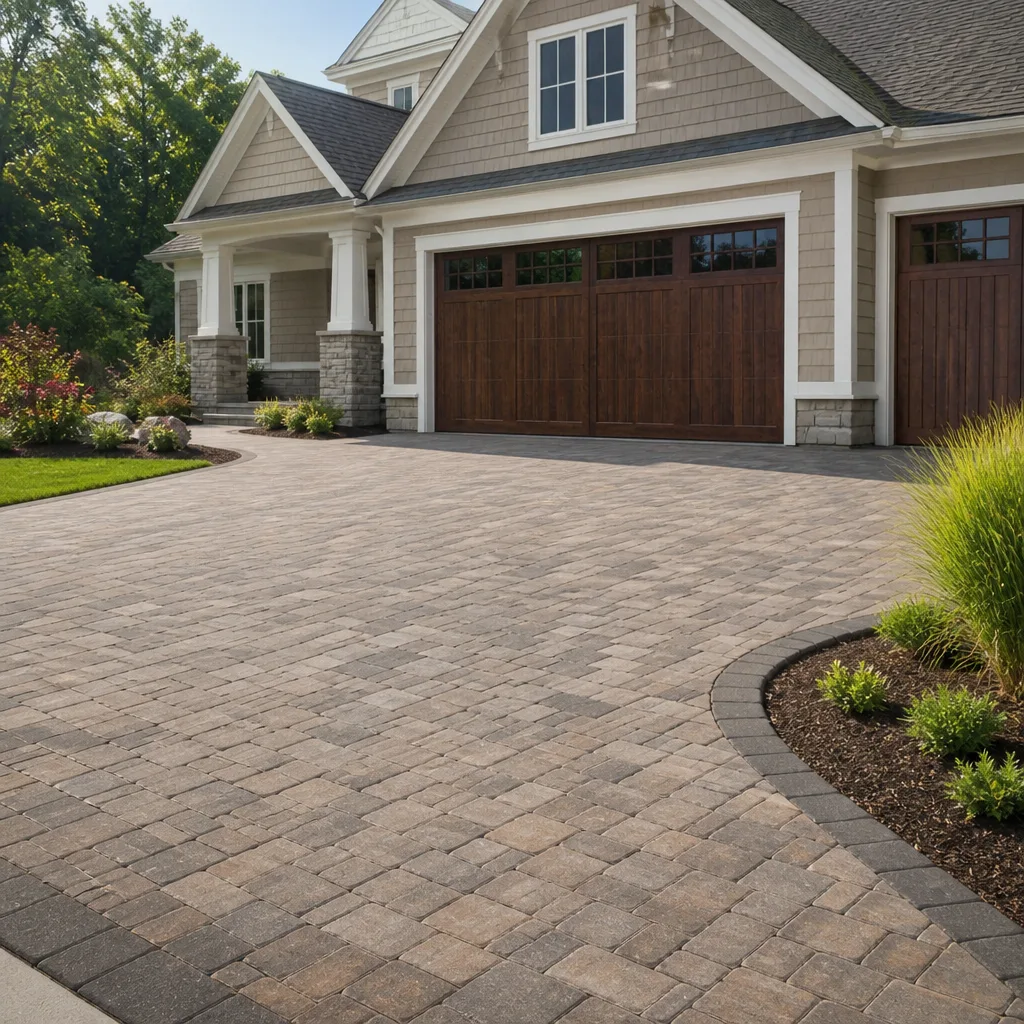 Driveway & pavers
 Kitchen remodeling
 Bathroom remodeling
 Home additions & ADU
 Roofing
 Windows & doors
 Fence
Free written scope consultation - allowances, timeline, and change-order rules on paper before a single trade is scheduled
The Complete Driveway & Pavers Guide for North Miami Beach Homeowners
Most paver failures we’re called out to look at in North Miami Beach aren’t caused by bad pavers. They’re caused by a base built for a different climate. In dry, high-ground markets, a four-inch gravel base with a light compaction pass will hold for years. Here, sitting on one of the shallowest freshwater tables in the country, that same base can float, shift, and sink after a single heavy rain week. This guide walks you through base design, material choices, Miami-Dade permitting, bedding sand specs, and HOA approvals, so you can price a driveway correctly instead of twice.
Quick Answer
A driveway paver project in North Miami Beach has to be engineered, not just installed. That means a base system deeper and more heavily compacted than the national standard, edge restraint rated for hurricane load cycles, and a bedding sand spec that survives constant wet-dry movement from the Biscayne Aquifer below. Get those three right and almost any paver material will perform. Get them wrong and even the most expensive travertine will crack within two seasons.
Styles & brands we work with
- Kitchen remodeling
- Bathroom remodeling
- Home additions & ADU
- Roofing
- Windows & doors
- Driveway & pavers
- Fence
Table of Contents
- Why the Biscayne Aquifer Changes Your Base Design
- Paver Materials Compared: Concrete, Travertine, Porcelain, Permeable
- Miami-Dade Permits, Impervious Limits, and Drainage Plans
- Bedding Sand: The Spec That Decides How Long the Job Lasts
- HOA Approval Timelines and Commonly Pre-Approved Colors
- How a Correct Paver Driveway Gets Built, Step by Step
- What a Paver Driveway Costs in North Miami Beach
Why the Biscayne Aquifer Changes Your Base Design
North Miami Beach sits on a low-lying strip of eastern Miami-Dade County where the land drains into a freshwater aquifer that begins just a few feet below grade. During the wet season, the water table can rise close enough to the surface that the subgrade underneath a driveway stays saturated for days at a time. That changes everything about how a base is built.
A standard base in a drier market is a compacted crushed-stone layer around four inches thick, laid directly over native soil. Here, four inches is often not enough for two reasons. First, the native soil under your driveway is likely to be some blend of sand, muck, or fill, and fill settles unevenly. Second, saturated subgrade loses bearing capacity – compacted stone resting on wet, soft soil acts more like a raft than a foundation, and a raft deflects.
What we specify on North Miami Beach paver projects:
- Excavation to a minimum six inches of compacted base, and often deeper where the subgrade is loose or organic.
- Geotextile separation fabric between native soil and the base stone. This keeps fine soil particles from pumping up into the stone layer as water moves, which is what causes voids under a driveway.
- Compaction in lifts, not all at once. Two- to three-inch lifts, each compacted with a vibratory plate before the next goes down.
- Drainage slope away from the structure, typically toward the street or a swale. Without a positive slope, water ponds on the surface and finds its way into the base.
- Edge restraint on all four sides, set into concrete or spiked through the subgrade. Without restraint, a paver field spreads under load and the joints open.
One other thing worth flagging: a shallow water table also affects what happens when your driveway meets your house. If the finished surface is too high, water drains toward the foundation. If it’s too low, water sits. Getting the finished height right takes a survey of the existing grade, not a guess.
Paver Materials Compared: Concrete, Travertine, Porcelain, Permeable
Four material families dominate driveway work in North Miami Beach, and each behaves differently under high humidity, frequent rain, and the load cycles that come with a seasonal hurricane pattern. Here’s how they compare.
Concrete pavers
This is the workhorse of the category, and for good reason. Professional-grade concrete pavers from Belgard and Tremron are manufactured with dense, low-absorption mixes that resist the wet-dry cycling we see here. They hold color well, resist chipping, and carry manufacturer warranties that transfer to you. Concrete pavers are also the friendliest material for porous drainage design, because a joint with permeable sand lets water pass through.
What to watch: shade. Concrete pavers in south-facing applications will fade slightly more over time than west-facing installations, and lighter colors reflect more heat, which matters on a driveway you walk across in July. Ask about the manufacturer’s color and efflorescence warranty before you commit to a specific color.
Travertine
Travertine pavers are natural stone, and they carry a look that concrete can’t quite copy. They also run cool underfoot because of their density. The trade-off is installation: travertine in a wet, high-humidity environment needs a proper base and a sealing schedule, and its natural pores can trap moisture if the finish isn’t specified correctly. On a sloped driveway in a heavy rain event, poorly bedded travertine will move.
Porcelain pavers
Porcelain sits at the top of the material cost range. It has very low absorption, resists staining, and holds its color for a long time. For homeowners who want a modern, clean line and are willing to pay for it, porcelain tends to justify the ticket. It also has some installation sensitivity: porcelain pavers need the correct bedding layer and edge restraint, and the subgrade underneath has to be solid.
Permeable pavers
Permeable pavers are the material family most North Miami Beach homeowners should at least look at, because they solve a code problem at the same time they solve a drainage problem. Water passes through the joints and into a stone reservoir beneath, then percolates into the subgrade. That helps with impervious surface limits, and it reduces runoff to the street during heavy rain. Belgard and Tremron both make permeable systems; ask your contractor which one is suitable for your lot’s soil profile.
Miami-Dade Permits, Impervious Limits, and Drainage Plans
In Miami-Dade County, replacing or expanding a driveway is a permitted activity because it changes the impervious area of your lot. That matters for two reasons: stormwater management, and lot coverage. A paver driveway is still impervious unless it’s a designed permeable system, and adding impervious surface without a permit is a problem that can end up on you as the homeowner.
What the permitting process usually involves for a driveway project in North Miami Beach:
- Site plan showing existing and proposed impervious surface. Your contractor should be able to show the lot coverage percentage before and after, so you know where you stand against the limit that applies to your zoning.
- Drainage narrative if the impervious area increases. On many lots, an increase triggers a requirement for a drainage plan and sometimes an on-site retention or exfiltration feature. A properly designed permeable paver system can reduce what’s needed here.
- Review and inspection. Once the permit is issued, work proceeds, and the county inspects base preparation and final finish before sign-off.
We pull permits as part of the scope, and we record the inspection results with your file. Ask any contractor you talk to two questions before you sign anything: who pulls the permit, and will you give me copies of the inspection sign-offs. If the answer to the first is “you” or the second is “we’ll see,” that’s your answer.
One more local wrinkle worth knowing: several North Miami Beach neighborhoods have specific stormwater or front-setback requirements that go beyond the county baseline. If your property has had a past drainage variance or there’s an existing swale connection, your engineer needs to know that before the site plan is drawn.
Bedding Sand: The Spec That Decides How Long the Job Lasts
You can specify the best paver on the market and still have a driveway that fails in three seasons if the bedding and joint sand are wrong. It’s the least visible part of the job and the one most likely to be skipped.
Two sand products are in a normal spec here: a coarse, washed concrete sand for the bedding layer, and a polymeric joint sand for the joints. The bedding sand has to be angular, clean, and screened to a consistent grade. Cheap masonry sand or fine sand will not stay put. It migrates into the base, the pavers lose support, and you feel them move underfoot within a year.
For the joints, polymeric sand is what protects the pavement from everything above it. Two of the most widely specified brands are Techniseal and Alliance Gator. Both work, and each has a slightly different set of strengths:
- Techniseal offers a range of joint sands including a high-performance product that’s been engineered for wet climates. Their spec sheets list the specific joint widths the product is designed for, and they publish installation instructions the contractor should follow to maintain the warranty.
- Alliance Gator also makes a polymeric joint sand with strong adhesion, and it has an established track record in environments with seasonal wet cycles. Their product lines differ by joint width and traffic type, so the specific product has to match the paver you choose.
What actually matters is that the installer reads the product spec, activates the polymer correctly, and lets it cure before the driveway sees rain. Rushing the joint sand step is one of the top reasons polymeric sand washes out. Ask your contractor which product they specify and why, and ask to see the bag spec. If they can’t name it, they’re spec’ing by whatever’s cheapest that week, which is exactly the failure mode this guide exists to help you avoid.
Given our wet season pattern, we specify polymeric joint sand on virtually every North Miami Beach project, and we plan for a top-up of the joints after two to three years, because no joint sand in any climate lasts forever.
HOA Approval Timelines and Commonly Pre-Approved Colors
Many North Miami Beach communities, especially the gated and condominium-association-adjacent neighborhoods, require architectural or HOA approval before a driveway is changed. This is often the longest part of the project timeline, and it’s where projects get redesigned because of a color mismatch.
Common HOA rules that catch homeowners off guard:
- Color and finish restrictions. Warm tan, sand, and neutral gray palettes are the most commonly pre-approved. Reds and dark charcoals tend to require a specific approval or are disallowed outright.
- Pattern restrictions. Herringbone and running-bond patterns are almost always approved. Large-format offset patterns sometimes aren’t.
- Minimum paver size and thickness. Some associations specify a minimum thickness for structural durability.
- Border requirements. A contrasting border or soldier course is often required, and it needs to be included in the visual approval package.
How we approach it in North Miami Beach:
- Confirm your association’s current standard. Ask your HOA for the current architectural standards document, in writing, before you pick a paver.
- Match your proposed color against the standards doc. Don’t rely on memory or what a neighbor has. Standards change.
- Submit the approval package with a plan, elevation, and color swatches. Include the manufacturer’s name and the color code.
- Build in the review timeline. HOA architectural review usually runs longer than the county permit review. Submit both in parallel so you’re not waiting on one to finish before the other starts.
- Keep the approval letter on record. It’s a useful document if a future dispute comes up.
If your community sits inside a specific architectural overlay district, the city may also weigh in on color and set-back. That’s another reason the design needs to be locked before base work begins.
How a Correct Paver Driveway Gets Built, Step by Step
Here’s the actual sequence of a properly built paver driveway in North Miami Beach, from first cut to final joint sand. Knowing this sequence is the best defense against a contractor who cuts corners because “you won’t see it once it’s covered.”
- Site survey and layout. Confirm finished height, drainage slope, and how the driveway ties into the street, the garage slab, and any adjacent foundation edge.
- Permit and HOA approval acquired. Nothing gets excavated before these are on file.
- Excavation and subgrade preparation. Remove the existing surface, excavate to base depth, and proof-roll the subgrade to identify soft spots. Any soft spots get remediated, not covered up.
- Geotextile installation. Lay separation fabric across the excavated area with proper overlaps at the seams.
- Base stone placement and compaction. Compacted in lifts. Each lift is compacted and checked for grade and density before the next is laid.
- Edge restraint. Set on all open sides, spiked or set into concrete, and confirmed square.
- Bedding sand screeded. Washed, angular, and set to a consistent depth with grade control rails.
- Paver installation. Laid to the approved pattern and direction, with cuts made at the perimeter and never at the field.
- Plate compaction of the finished field. The whole field is compacted once, after installation, to seat the pavers into the bedding sand.
- Polymeric joint sand installation. Applied, compacted into joints, activated, and cured per the manufacturer spec, with the surface protected from rain during the cure window.
- Final walk and inspection. Confirm drainage slope, flush edges, and joint depth. Municipal inspection sign-off.
That’s eleven steps, and each one has a specific checkpoint. When we run a driveway project, this is one crew from excavation to final sand. When a larger property improvement plan is going in alongside the driveway – for example, a matching fence installation around the new parking pad – both trades get coordinated under one schedule, which makes a real difference when the truck and inspection windows overlap.
What a Paver Driveway Costs in North Miami Beach
Pricing on a paver driveway in North Miami Beach depends on square footage, material, and the base conditions under the existing surface. The ranges below are typical estimates, not quoted prices – the written line-item estimate sets the final price.
- Standard concrete pavers, installed with full base and edge restraint: $14 to $22 per square foot.
- Premium concrete pavers (larger format, textured, or from a premium line): $18 to $28 per square foot.
- Travertine or porcelain pavers: $25 to $45 per square foot depending on format and thickness.
- Permeable paver system with engineered reservoir base: $22 to $35 per square foot, plus design and permitting scope.
- Deep excavation or subgrade remediation: typically an add to the base line if soft spots are found, priced per job.
- Drainage plan and engineering when required: quoted separately with the permit scope.
Two things drive a wide range in these numbers: base depth, and lot access. A lot with tight access on both sides means pulling equipment differently, and any soft soil that has to be replaced is a real cost, not a padded one. Ask for the estimate to separate base work from surface work, so you can see where the number comes from.
If you’re factoring a paver driveway into a wider renovation, the driveway is usually one piece of a larger scope. A full property upgrade often pairs pavers with a new home additions & ADU project, or with a full exterior refresh. Bundling the design and permit review means you’re not reopening a site three times.
Common Mistakes to Avoid
- Accepting the four-inch base standard. It’s the default in drier parts of the country and it underperforms here. Ask for the base spec in writing, and ask why it was chosen.
- Skipping the geotextile. Separation fabric keeps fine soil from pumping into the stone, and its absence is one of the top reasons driveways develop voids.
- Using fine or masonry sand as bedding. It migrates into the base and the pavers lose support. Ask for washed angular concrete sand, screened to spec.
- Not confirming the HOA color standard first. A design approved at the bench can be rejected after the pavers are already ordered, which means the redesign cost comes out of your budget, not the contractor’s.
- Treating permeable pavers as a drainage-free solution. Permeable pavers need the correct reservoir design under them. Without it, they’re just concrete pavers with wider joints.
- Letting the joint sand cure in the open. Polymeric sand needs an accurate activation and a dry cure window. If rain hits during the cure, the joints wash out.
- Skipping the edge restraint. A paver field with no side restraint spreads sideways, opens the joints, and loosens along the edges first.
See the difference
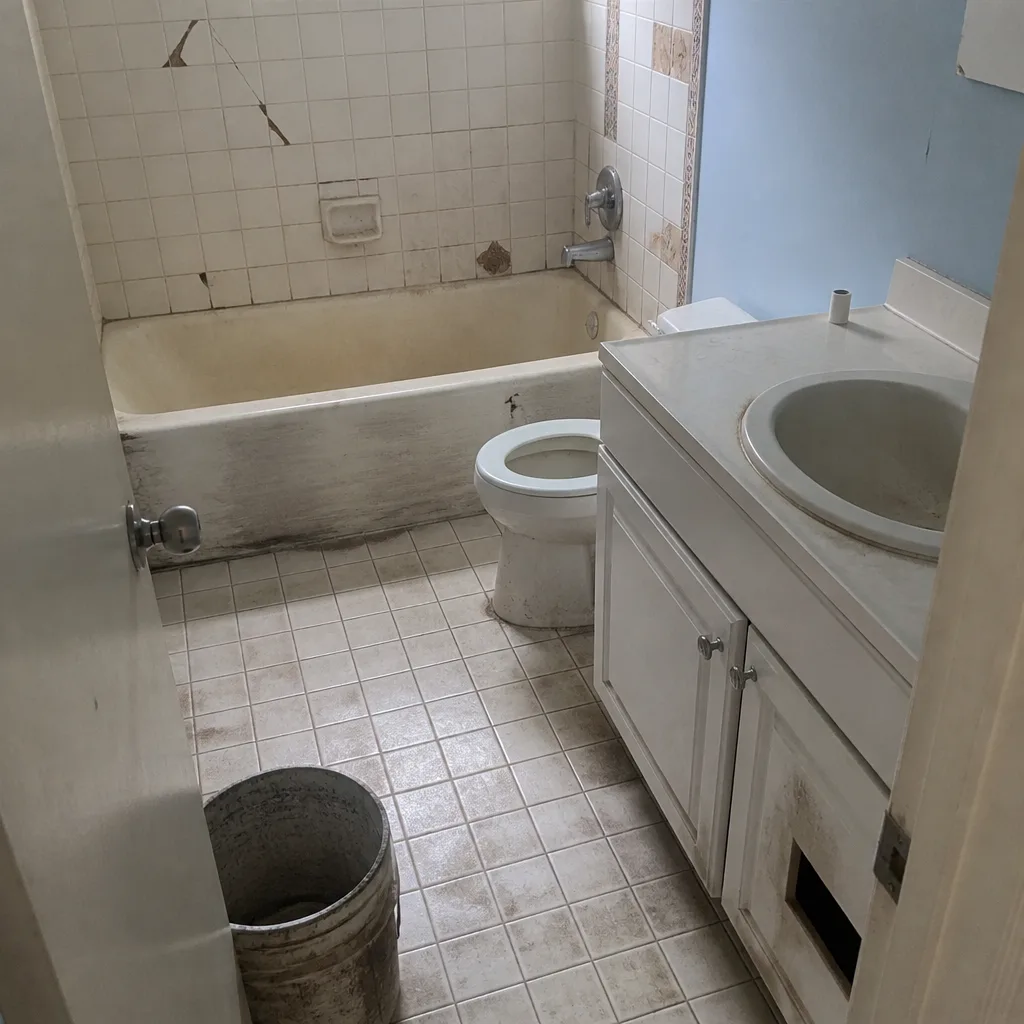
 Before
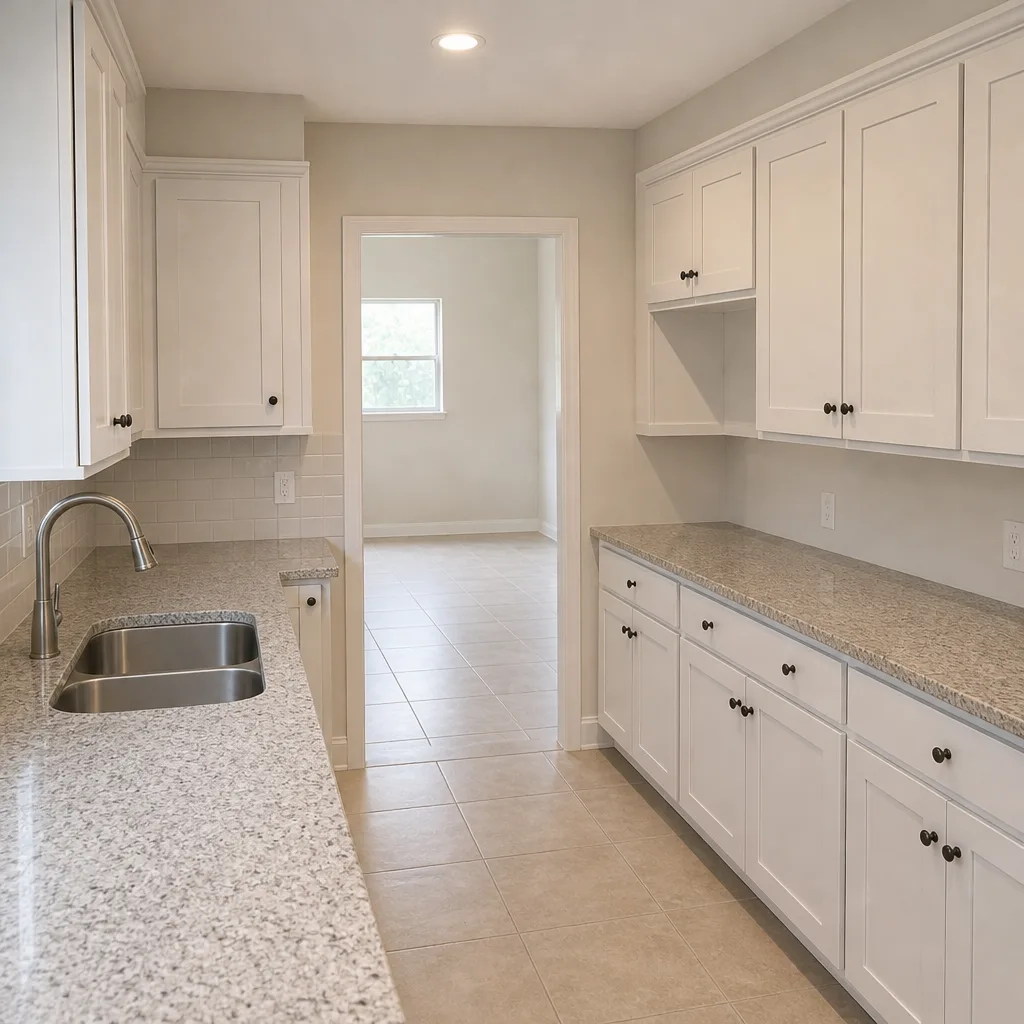 After
 Before
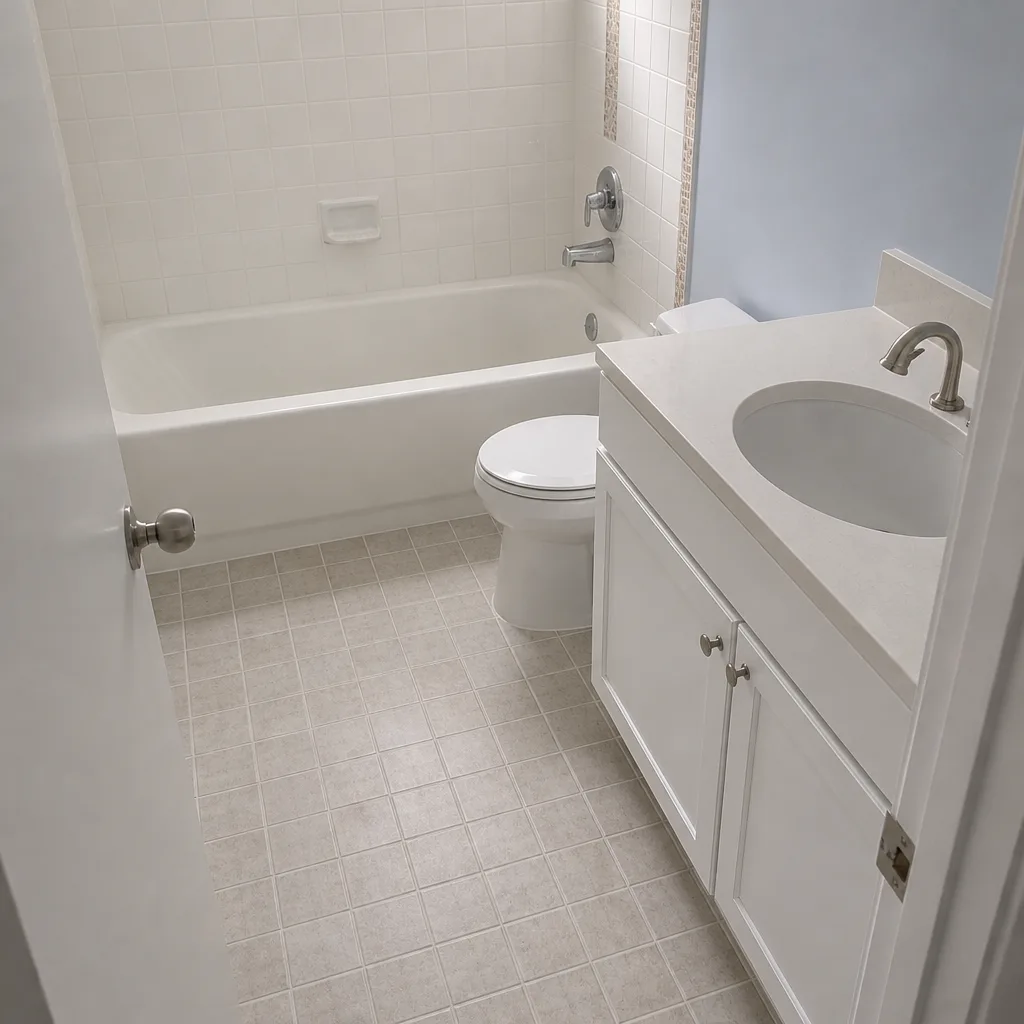 After
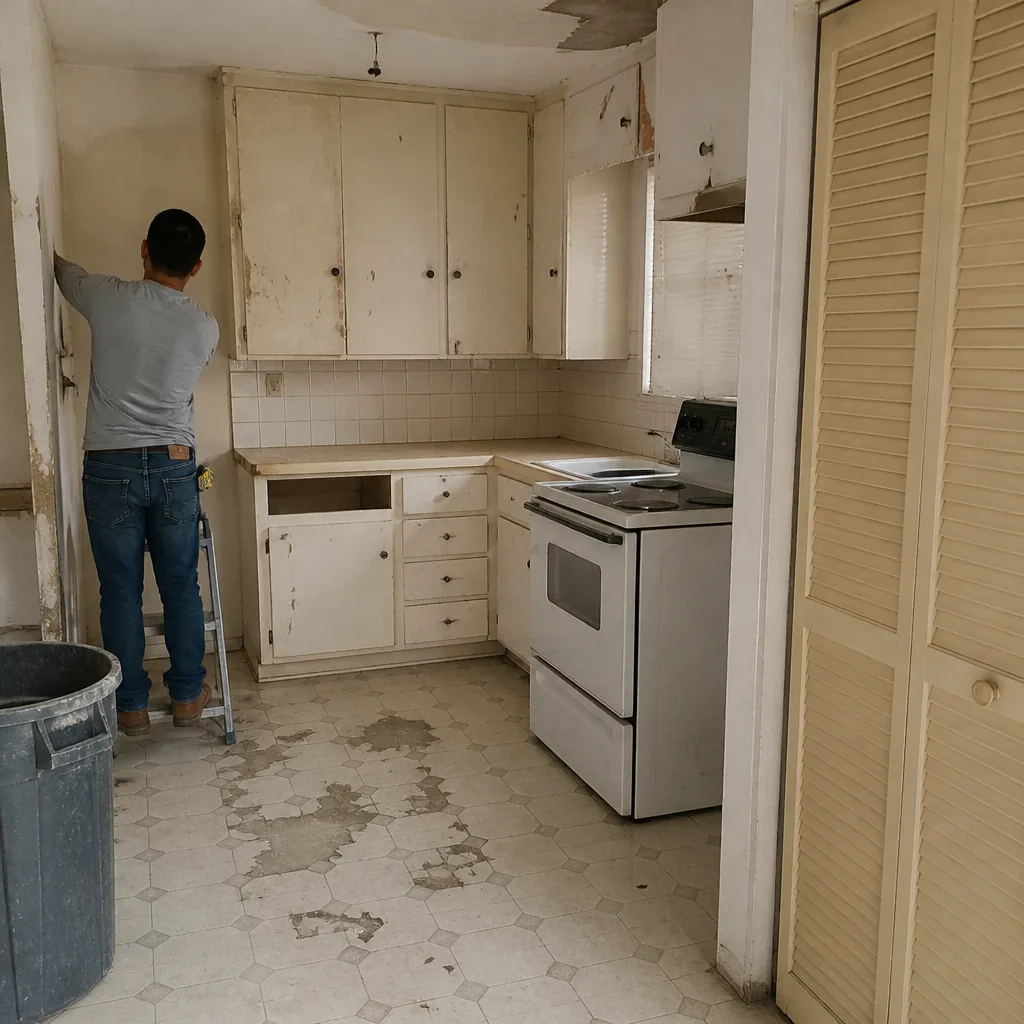 Before
 After
When to Call a Professional
Call a professional paver contractor when the driveway needs more than surface dressing. If your lot has soft subgrade, if you’re planning a permeable system, if the impervious-area calculation is close to your zoning limit, or if your property has an HOA standard you’re not sure how to interpret, the design work has to happen before the first paver is laid. Cracks spreading at the edges, pavers settling in a bowl pattern, or joints washing out are all signals that something under the surface needs attention.
If your paver scope is part of a larger property plan, the driveway crew needs to be talking to the same people handling the rest of the exterior. That’s where a full-scope residential company makes its case: your roofing, windows, and driveway all specified under one contract and confirmed with the manufacturer before work begins. North Miami Beach Construction offers free estimates in North Miami Beach – call (844) 651-6043. We answer 24/7. Fast dispatch from 7am to 7pm, Sunday through Friday.
Frequently Asked Questions
Typical installed costs in North Miami Beach run from around $14 to $22 per square foot for standard concrete pavers, $18 to $28 for premium concrete pavers, and $25 to $45 for travertine or porcelain, with permeable systems running $22 to $35 depending on the reservoir design. Base depth, lot access, and any subgrade remediation will move you within those ranges. Every price is an estimate; the written line-item estimate is what sets the final number. Call (844) 651-6043 to schedule a free estimate.
Yes. Replacing or expanding a driveway changes your lot’s impervious surface, so it’s a permitted activity. The county typically requires a site plan, and if the impervious area increases, a drainage plan may be required as well. Permits are pulled and inspections are signed off by us as part of the scope. Ask any contractor before you hire them whether they pull the permit and whether they’ll give you the inspection records. Call (844) 651-6043 to talk through your specific lot.
Six inches of compacted crushed stone is the practical minimum, and many North Miami Beach lots need more because of loose or organic subgrade sitting close to the water table. The base should be laid in two- to three-inch lifts with compaction between each, with geotextile fabric underneath to prevent migration. If a contractor quotes you a four-inch base, ask them to walk you through why, because that’s a dry-climate standard that underperforms here.
All paving surfaces warm in the sun, but the heat profile varies by material. Lighter color concrete paver lines stay cooler underfoot than darker reds and charcoals. Travertine and porcelain naturally run cooler because of their density. On a driveway that doubles as a walkable surface, color choice ends up being a comfort decision, not just an appearance decision.
Yes, and doing it at the design stage makes a real difference in the finished property. We specify pavers from Belgard, Unilock, Tremron, Techo-Bloc, and Cambridge Pavers, and the same specification process applies to driveway & pavers work as it does to fencing and exterior scopes. Colors and textures can be coordinated across manufacturers. Manufacturer warranties transfer to you as the homeowner. Call (844) 651-6043 for a free estimate on a coordinated exterior plan.
It shouldn’t change without your written approval, and any change should be documented as a fixed line item, not an open-ended “we’ll see.” The two predictable change triggers are soft subgrade discovered during excavation and additional scope you add later. We walk you through both before any work resumes. Call (844) 651-6043 and ask for a written line-item estimate with base work and surface work separated.
The Bottom Line
Choosing pavers in North Miami Beach is a base design and drainage decision first, and a color decision last. Get the base depth, the geotextile separation, and the compaction right, and almost any material will perform. Skip those and no material on the market will save you. Miami-Dade permitting requires that you treat impervious surface as a real number, and the county drainage plan rules apply whether or not your contractor mentions them. Pair spec’d materials with manufacturer warranties that transfer to you, and talk through options with a contractor who can name every brand on your driveway. From your driveway to your roofline, that’s North Miami Beach Construction: we handle the full exterior scope, and we specify manufacturer-warranted materials at every step. Call (844) 651-6043 for a free estimate. We answer 24/7. Fast dispatch from 7am to 7pm, Sunday through Friday.
Written by the team at North Miami Beach Construction.