
Last updated November 17, 2026
 Home additions & ADU
 Kitchen remodeling
 Bathroom remodeling
 Roofing
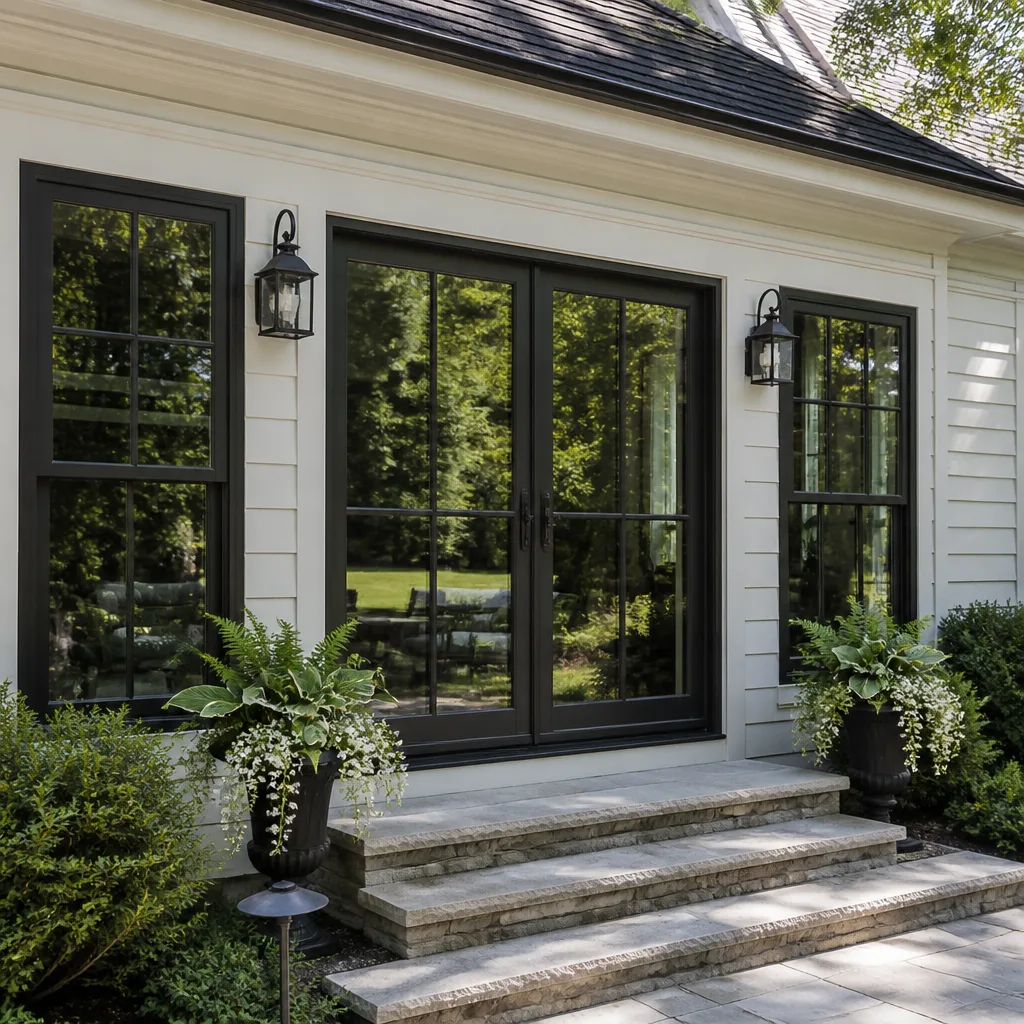 Windows & doors
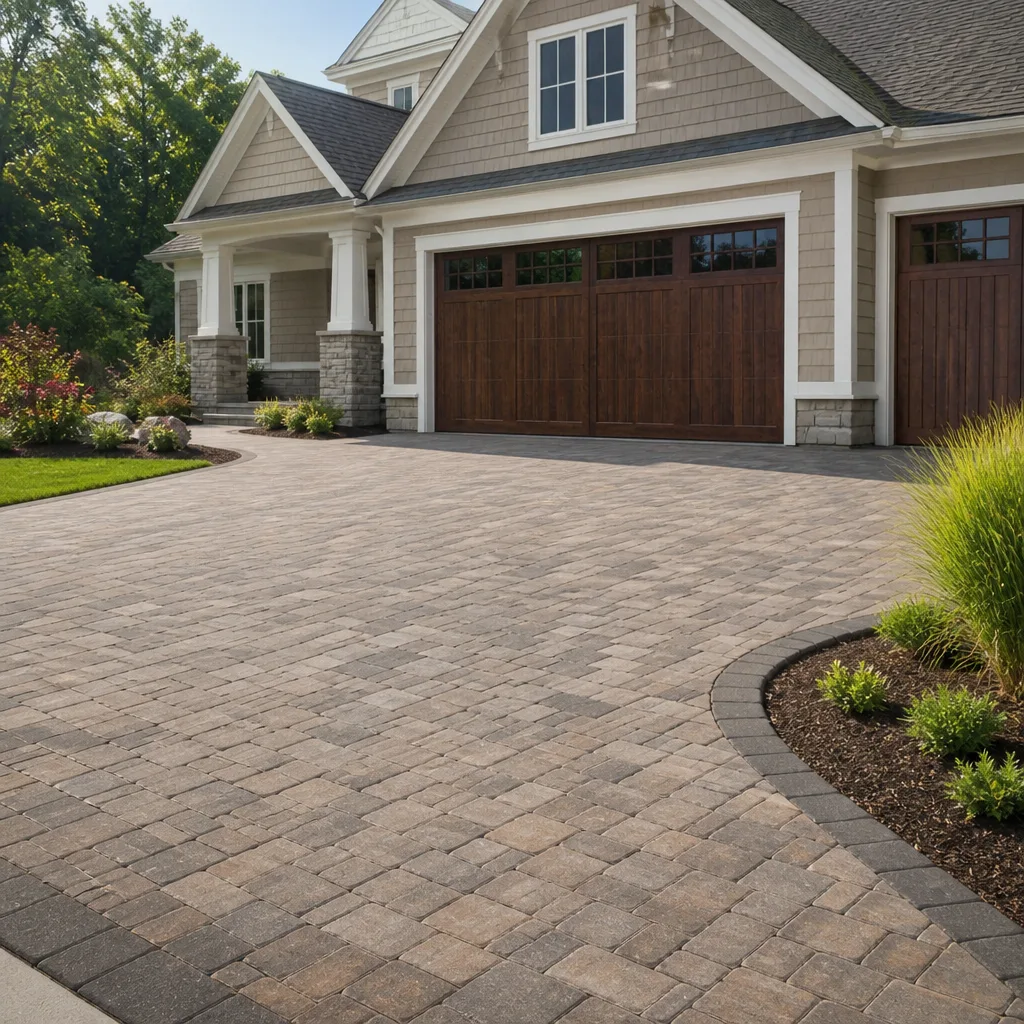 Driveway & pavers
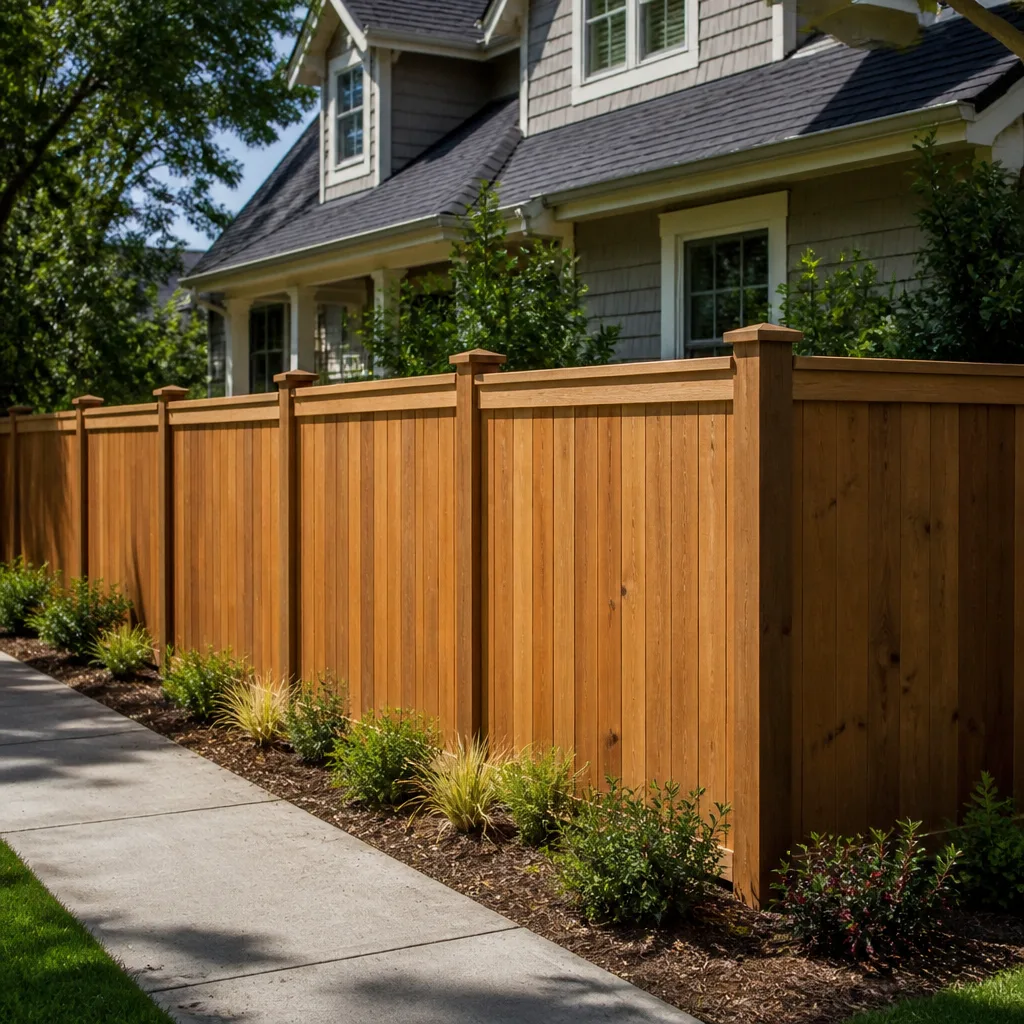 Fence
Free written scope consultation - allowances, timeline, and change-order rules on paper before a single trade is scheduled
Construction Cost Breakdown: The North Miami Beach Homeowner’s Reference for 2026
The national average for a bathroom remodel is frequently cited as $10,000 to $15,000. In North Miami Beach in 2026, that budget covers demolition, rough plumbing, and maybe tile. The full project typically runs $22,000 to $38,000, and the gap is not contractor markup. It’s material specification, permitting, and a labor market shaped by one of the strictest building codes in the country. Most cost guides ignore that entirely, which is why homeowners here end up budgeting from numbers that don’t apply to their zip code. This guide walks through every major project category we work in, names the cost drivers that actually move the number, and shows where you can legitimately trim scope without compromising code compliance.
Quick Answer
Residential construction in North Miami Beach runs roughly 20% to 45% above national averages because of High Velocity Hurricane Zone material requirements, Miami-Dade permitting fees, and a smaller pool of licensed, code-compliant subcontractors. A typical kitchen remodel here lands between $48,000 and $95,000, a full bathroom between $22,000 and $38,000, a roof replacement between $18,000 and $42,000, and impact window packages between $14,000 and $48,000 depending on opening count and product line. Every project should start with a written, line-item estimate so you can see exactly where the premium goes.
Styles & brands we work with
- Kitchen remodeling
- Bathroom remodeling
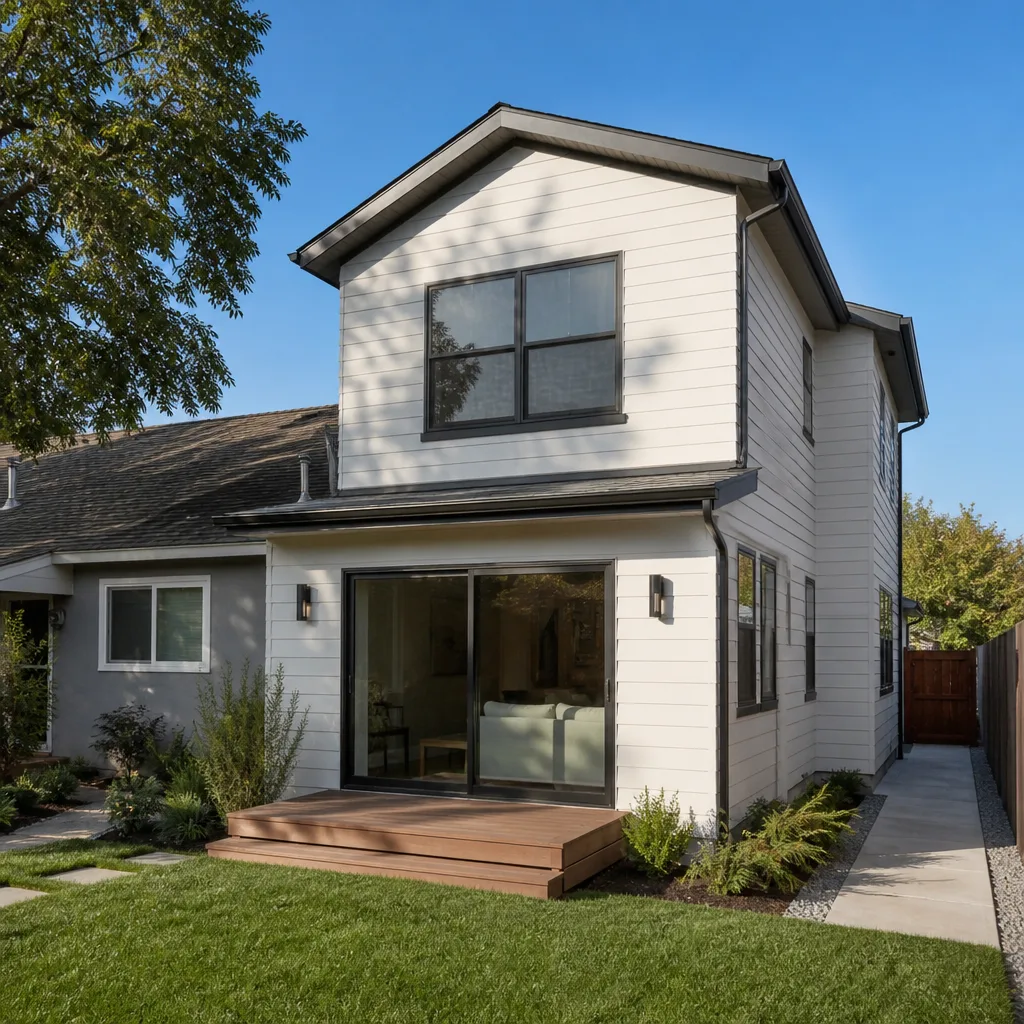
- Home additions & ADU
- Roofing
- Windows & doors
- Driveway & pavers
- Fence
Table of Contents
- Why Construction Costs Run Higher in North Miami Beach
- Roofing: Impact-Rated Underlayment and NOA-Compliant Shingles
- Windows and Doors: PGT Winguard vs. Standard Aluminum
- Kitchen Remodeling: Cabinet and Surface Brand Tiers
- Bathroom Remodeling: Where the Money Actually Goes
- Miami-Dade Permits and Impact Fees
- The Labor Cost Premium in North Miami Beach
- How to Compare Contractor Estimates
Why Construction Costs Run Higher in North Miami Beach
North Miami Beach sits inside the High Velocity Hurricane Zone, which means every exterior product on your home has to carry a product approval that the county has reviewed and listed. A shingle that passes in Georgia often doesn’t have an approval number here. An aluminum window rated for moderate wind zones won’t pass inspection on a North Miami Beach job. That narrowing of approved products is the single biggest reason the same project costs more here than the national average suggests.
Three forces stack on top of each other:
- Material specification. Impact-rated glass, NOA-compliant roofing assemblies, and pressure-treated or composite fencing rated for high humidity all cost more than their inland or northern equivalents. The jump isn’t small. On roofing and windows it’s often the largest single line in the budget.
- Permit and impact fees. Miami-Dade permit fees are calculated per project based on valuation, and additions and ADUs carry additional impact fee structures on top. We break those down in a section below.
- Labor market concentration. The pool of licensed subcontractors who can legally and correctly install HVHZ-compliant systems is smaller than the general contractor pool nationwide. Fewer qualified bidders on the same job means less downward price pressure. Our technicians have up to 9 years of experience working in this market, and the crews we coordinate with know the inspection requirements cold.
The premium is real, and it’s not padding. When you see a line-item estimate that itemizes the approval number and the material brand, that’s how you know the builder budgeted for what the county will actually sign off on. Ask any contractor you’re evaluating to walk you through the material options before you sign, so you can see exactly which approval applies to your home.
Roofing: Impact-Rated Underlayment and NOA-Compliant Shingles
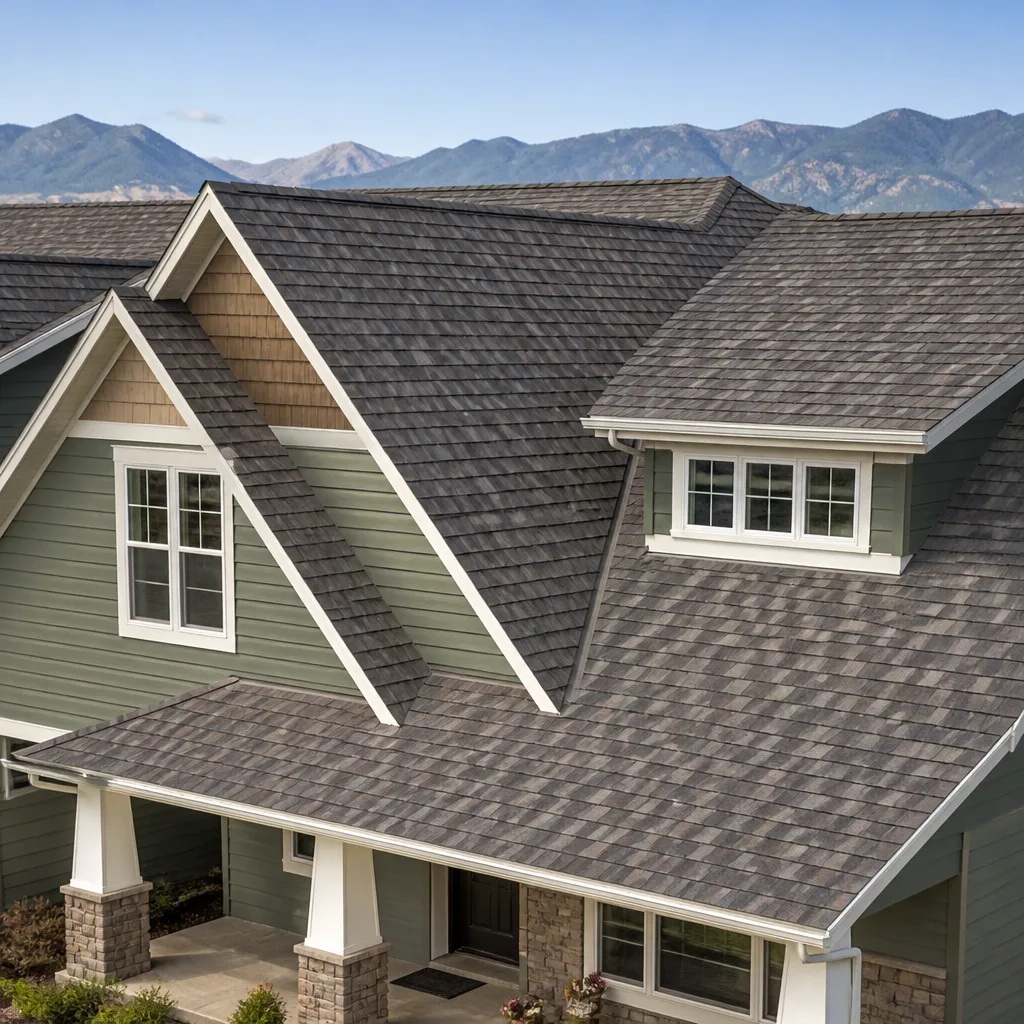
A roof replacement in North Miami Beach typically runs $18,000 to $42,000 for a single-family home, depending on roof size, pitch, access, and whether decking needs replacement. The range is wide because the variables are real: a low-slope hip roof on a 2,000-square-foot home and a complex gable roof with multiple valleys on the same footprint are two different jobs.
The biggest driver is specification. In the HVHZ, your roofing system needs a Miami-Dade Notice of Acceptance (NOA) or a product approval for every component: shingle, underlayment, fasteners, and in some cases the drip edge itself. That’s how the county tracks which systems have been tested to withstand the wind loads this region experiences.
Where the money goes on a typical North Miami Beach re-roof:
- Shingles and system components: We specify GAF, CertainTeed, or Owens Corning systems because the manufacturer warranty structures on their HVHZ-approved lines are among the most widely recognized in the industry. Each line carries its own approval documentation.
- Secondary water barrier / underlayment: A peel-and-stick or synthetic membrane rated for high wind is standard here. It’s a meaningful line item compared to standard felt.
- Decking repair: This is where estimates diverge most. A reroof that finds rotted sheathing under the old shingles requires new material at a per-sheet rate that no one can predict until the tear-off is underway. A well-written estimate states the unit price for decking replacement up front so the change order doesn’t surprise you.
- Permit and inspection fees: Roofing permits in Miami-Dade carry their own fee schedule, and the inspection process is sequenced, so expect a line item for permitting built into the contract.
If your roof is over fifteen to twenty years old and you’re seeing granule loss or interior staining, get an inspection before the next storm season. Roof leaks can turn a manageable reroof into a much larger repair if water has been reaching the deck for a while. Installers coordinate the roof scope with other exterior work, so it makes sense to think about the whole envelope at once.
Windows and Doors: PGT Winguard vs. Standard Aluminum
Impact window packages in North Miami Beach typically run $14,000 to $48,000 for a whole-home replacement, depending on the number of openings, the product line, and whether you’re upgrading doors at the same time. A single slider or picture window has a very different cost profile than a mixed set of casements, fixed panels, and doors.
The difference between a standard aluminum window and an impact-rated product comes down to the assembly. Standard aluminum windows use single-pane glass and a thin frame; they rely on a separate shutter system for storm protection that many North Miami Beach homes don’t have installed. Impact-rated units bond two panes of glass to a flexible interlayer, mount that glazing in a reinforced frame with heavy-duty hardware, and are tested as a complete assembly. That’s why the price per opening is higher.
For high-wind, high-humidity environments, we specify PGT and CGI product lines, along with ECO Window Systems, because all three are engineered and certified for this climate. PGT’s Winguard line is a good example of a family of products built around HVHZ approval, and it demonstrates the difference in construction compared to builder-grade aluminum. You can research the exact model and approval number before you sign, which is exactly the point. Ask us to walk you through the material options and we’ll show you the difference side by side.
Wind-borne debris protection isn’t the only reason homeowners upgrade. Impact glass reduces outside noise substantially, and the thermal performance of a bonded assembly is far better than single-pane aluminum. When you’re replacing windows, the value is a package: storm protection, noise reduction, and the elimination of the annual shutter installation routine.
If your project also includes doors, factor those separately. Entry doors, sliding glass doors, and garage doors all have their own impact-rated assemblies, and the cost varies widely by size and hardware.
Kitchen Remodeling: Cabinet and Surface Brand Tiers
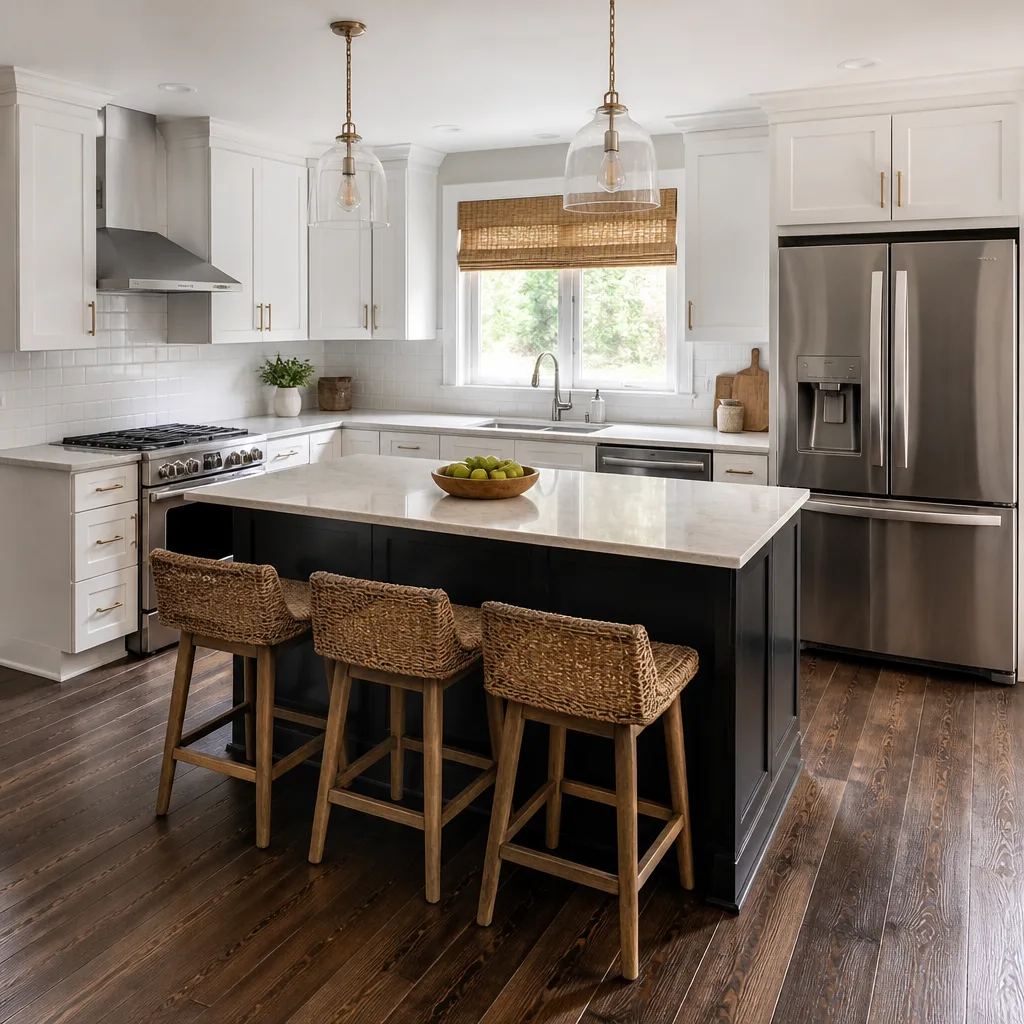
A full kitchen remodel in North Miami Beach typically runs $48,000 to $95,000 for a mid-to-high-end scope. That includes demolition, framing changes if the layout moves, electrical and plumbing rough-in, cabinetry, surfaces, appliances (allowance), tile, and finishes. It does not include structural changes like removing a load-bearing wall, which carries its own engineering and permit cost.
The single biggest swing factor in a kitchen budget isn’t labor or tile. It’s cabinetry. Brand tier matters more than most homeowners realize, because the box construction, drawer hardware, and finish quality all scale with brand.
- Box store semi-custom: The entry point. Functional, but limited in depth and finish options, and the hardware often needs upgrading.
- KraftMaid and Wellborn: These are the tier we typically specify. Both offer full-plywood box construction (in their higher lines), soft-close hardware as standard, and enough door style and finish range to match most design plans. They’re also widely enough distributed that the lead time is predictable.
- Full custom cabinetry: The top tier. Everything is built to the inch, which makes sense in an irregular North Miami Beach kitchen footprint but adds significant cost and lead time.
Surfaces follow a similar ladder. We specify Cambria, Silestone, and Caesarstone for countertops because all three are engineered quartz with predictable color, low maintenance, and installer availability here. Quartz is the practical choice for South Florida kitchens because it doesn’t require sealing and holds up to humidity changes without the movement you can see in natural stone.
Fixtures are another tier decision. Kohler, Moen, Grohe, and Toto all offer consumer lines that are durable and warranty-backed, and there’s no code requirement to buy the top line. Where the scope genuinely reduces cost without compromising quality: choose semi-custom cabinets over full custom, select a quartz surface over a premium stone, and put the savings into good drawer hardware and a sprayer faucet you’ll actually use.
If you want to see how a full kitchen scope fits together with a full-home renovation plan, start with the overview on our North Miami Beach construction service page.
Bathroom Remodeling: Where the Money Actually Goes
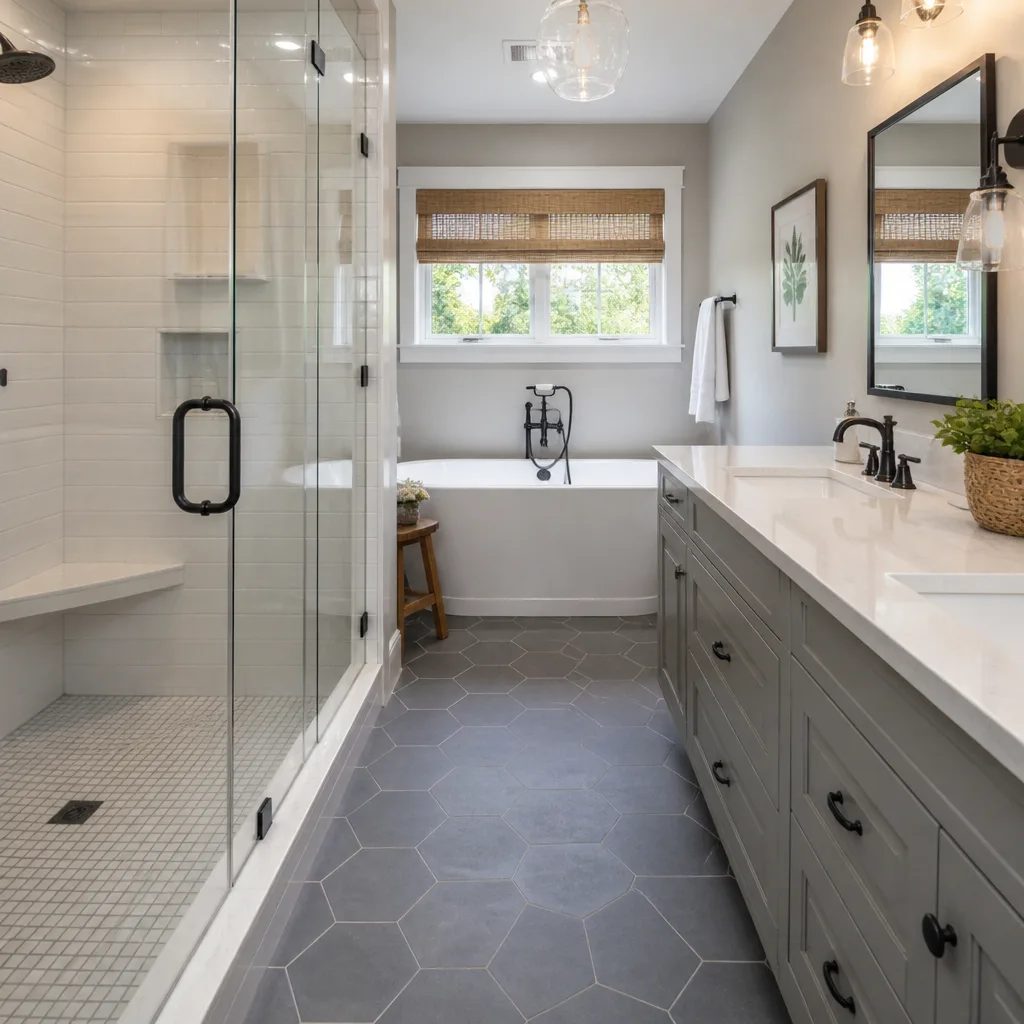
A full bathroom gut remodel in North Miami Beach typically runs $22,000 to $38,000. That covers demolition to the studs, reconfiguration if you’re moving fixtures, new plumbing and electrical rough-in, waterproofing, tile, vanity, fixtures, and finishes. A cosmetic refresh without moving plumbing lands at the lower end; a full gut with plumbing changes and a curbless shower lands at the upper end.
The three line items that drive the estimate:
- Waterproofing. Shower systems in South Florida need a proper waterproofing membrane behind tile. This isn’t optional, and it’s not the cheapest line to install correctly. Sloppy waterproofing is one of the leading causes of callbacks in the trade, and it’s hidden behind tile until it fails.
- Plumbing. If the bathroom is original to the house, the rough plumbing is likely galvanized or early copper, and taking the walls down to the studs is the only time you can address it. Hidden corrosion discovered during a gut remodel is the most common reason a bathroom scope expands. A well-written estimate states the hourly or per-fixture rate for any plumbing replacement found during demolition, so the change isn’t a surprise.
- Fixtures and finishes. This is where brand tier decisions show up. Kohler, Moen, Grohe, and Toto all make reliable consumer-grade products with real warranties. There’s no code reason to buy the most expensive faucet in the showroom. Where it’s worth spending more: the shower valve and trim (you’ll touch it every day, and cheap valves fail) and the toilet (Toto and Kohler both have excellent value lines).
Tile selection can move the budget thousands in either direction, and so can the choice between a prefab shower base and a custom-tiled pan. Neither is inherently better, but one fits a budget and the other fits a design plan. Walk through the options with an estimator before committing.
Miami-Dade Permits and Impact Fees
Permit fees in Miami-Dade are calculated based on project valuation, which means the fee scales with the job. A bathroom remodel permit costs less than an addition permit, which costs less than an ADU or a new roof on a large home. The county’s published fee schedule sets the calculation, and the contractor builds it into the estimate as a line item.
The two project types where permitting gets more complex are home additions and ADUs.
- Home additions: Beyond the standard building permit, an addition typically requires an updated survey, structural engineering, and separate trades permits for electrical, plumbing, and mechanical. The fees stack.
- ADUs: Accessory dwelling units are a distinct category. An ADU needs its own building permit, utility connections, and in some cases a separate address. Miami-Dade also applies impact fee structures to new dwelling units, and those fees can be a meaningful line in the overall budget. The exact amount depends on the ADU’s size and configuration, so get a written breakdown before signing.
For ADU projects specifically, the choice between traditional stick-built construction and a prefab or modular unit changes the cost profile. We coordinate both paths, including prefab partnerships with Abodu, Dvele, Mighty Buildings, and Boxabl. A traditional addition is built on-site and allows complete customization. A prefab or modular unit is manufactured off-site and assembled on your lot, which typically reduces the on-site construction timeline and can simplify certain inspection steps. The trade-off is design flexibility. Explore both methods on our home additions & ADU page.
Always confirm current fee schedules with Miami-Dade County and your city’s building department before you budget. Fee schedules change, and a written estimate should identify any permit fee as an estimate that will be reconciled against the county’s actual permit receipt.
The Labor Cost Premium in North Miami Beach
The labor cost on a North Miami Beach project is higher than the national average, and the reason is structural, not arbitrary. Licensed subcontractors who can correctly install HVHZ-compliant systems, pass Miami-Dade inspections, and carry the required insurance and certification are a smaller pool than the general construction workforce. That concentration affects pricing on every trade where a specialty license or specific approval is required.
Three things you can verify about labor on your job:
- Licensing. Contractors working on your home should be state-licensed, and the license should match the scope. Ask for the license number in writing. A general contractor’s license doesn’t cover a plumber’s work, and vice versa.
- Insurance. Workers’ compensation and general liability are the two policies that protect you if someone is injured on your property. Ask for certificates for both, and confirm they’re current. This is standard practice, and a contractor who pushes back isn’t worth signing with.
- Scope clarity. The labor premium is baked into a written, itemized contract. It’s not something you negotiate down to a verbal handshake. The point of a detailed estimate is that both sides agree on who’s doing what before any demo starts.
Where labor cost can be managed legitimately: coordinate trades so a single crew runs multiple scope items in sequence rather than separate contractors arriving on different schedules. That’s the practical value of managing the full project under one contract rather than stitching together uncoordinated subcontractors. It reduces the schedule risk and the coordination overhead, and it keeps every trade accountable to the same written scope.
How to Compare Contractor Estimates
Three estimates for the same project in North Miami Beach will not line up on price, and that’s expected. What matters is whether the scope in each estimate is the same. A low bid that leaves out the HVHZ-compliant underlayment, or that excludes the permit fee, isn’t a lower-cost project; it’s an incomplete one. Here’s how to read estimates side by side:
- Check material specification. Each major material line should name the brand and the product series. If the estimate says “30-year shingles,” ask which approval number applies to the product. If it says “cabinets,” ask for the brand and the line. This is exactly why we name brands in every estimate we write: you can look up every product specified before you sign anything.
- Confirm permits are included. Ask whether the estimate includes permit acquisition and inspection scheduling, or whether you pay those separately. Both are common, but the estimate should say which.
- Look for the change order language. A good estimate states the unit price for the most likely scope expansions: decking replacement on a reroof, plumbing replacement during a bathroom gut, and unsuitable soil under a driveway re-pour. Without that, “we found a problem” is an open-ended conversation.
- Verify warranty terms. Manufacturer warranties on materials (roofing systems, paver, cabinetry) are independent of the labor warranty. A written contract should spell out both, with the specific brand warranty named.
- Ask about the schedule. A realistic estimate names the expected duration and identifies any long-lead items (impact windows, custom cabinetry) so you’re not surprised by weeks of waiting.
For the exterior trades, the same principle applies. Whether you’re pricing a new driveway or evaluating paver brands, ask for the manufacturer specification. Our driveway & pavers page shows how we spec Belgard, Unilock, Tremron, Techo-Bloc, and Cambridge Pavers so the manufacturer warranty transfers to you. Fencing follows the same pattern: our fence installation crews install Barrette, Master Halco, Ameristar, Jerith, Bufftech, and ActiveYards products, all engineered for longevity rather than builder-grade bulk material.
Common Mistakes to Avoid
- Budgeting from national average figures. The national average for most projects is 20% to 45% lower than what the same scope runs in North Miami Beach. Use local ranges, and treat any online test project that ignores HVHZ requirements as a floor, not a forecast.
- Accepting an estimate without named materials. “Impact windows” is not a specification. PGT Winguard, CGI, or ECO Window Systems is. The brand tells you the approval, the warranty, and the performance.
- Excluding the permit fee from the budget. Permit and impact fees are a real line item, especially on additions and ADUs. A budget without them is not the project cost.
- Assuming the low bid will hold. A bid that’s thousands below the others on a North Miami Beach project is usually missing a required specification or a permit. Check the scope line by line before choosing on price alone.
- Re-pouring a driveway without investigating what’s underneath. Driveway re-pours fail early when the base isn’t stable. Ask what soil prep is included and what the unit price is for unsuitable soil remediation if it’s found during excavation.
- Ignoring plumbing during a bathroom gut. If the walls are open, that’s the time to address corroded supply lines. Re-tiling without addressing them means the next failure happens under brand-new finishes.
- Planning a project without a written change order process. Every scope change should be a written change order with a price. Verbal additions are how projects get stuck mid-construction.
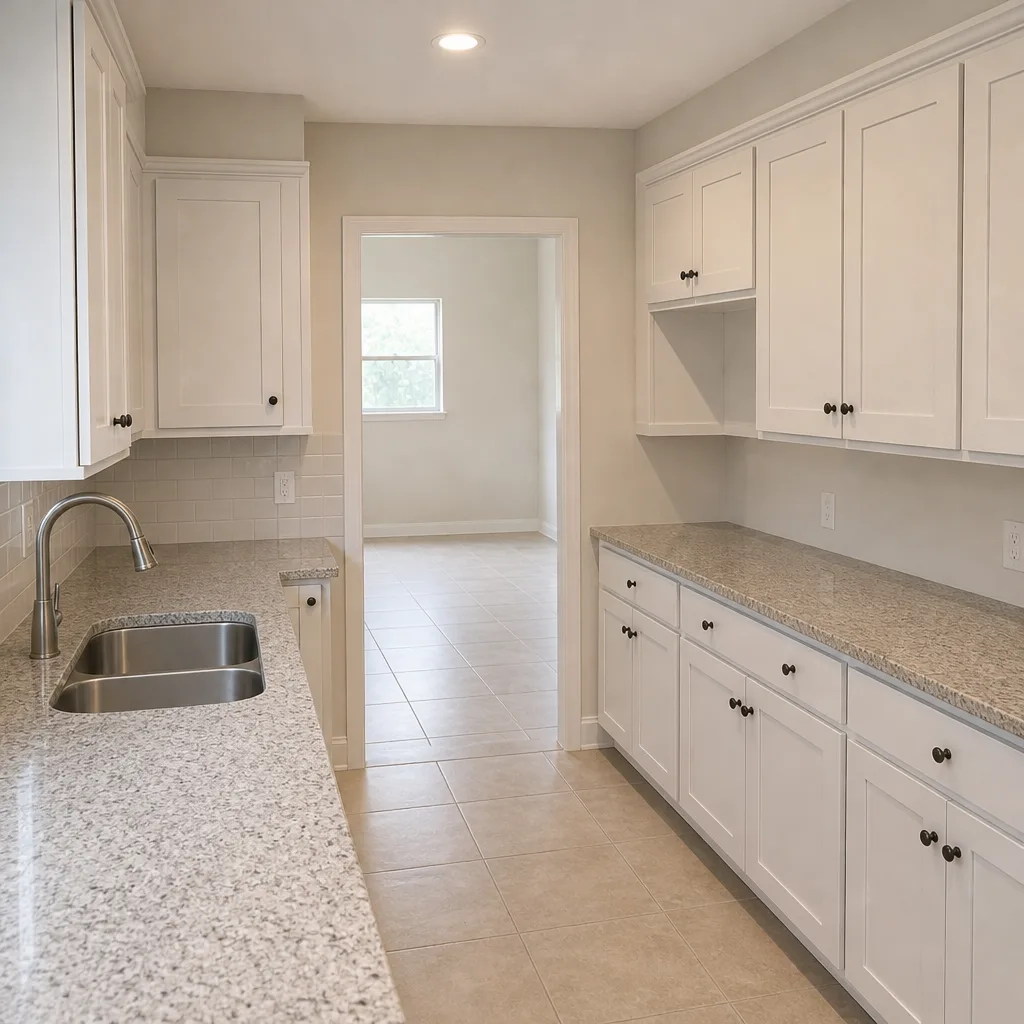
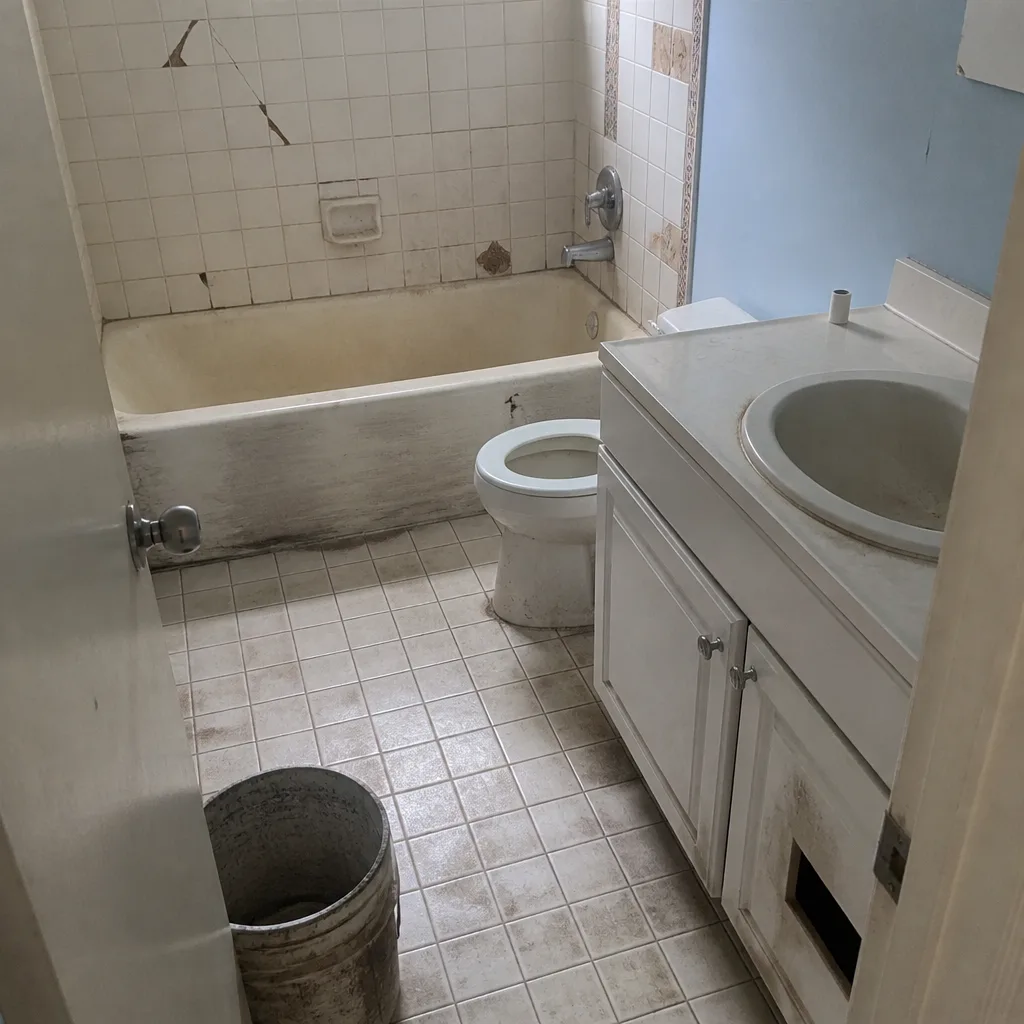
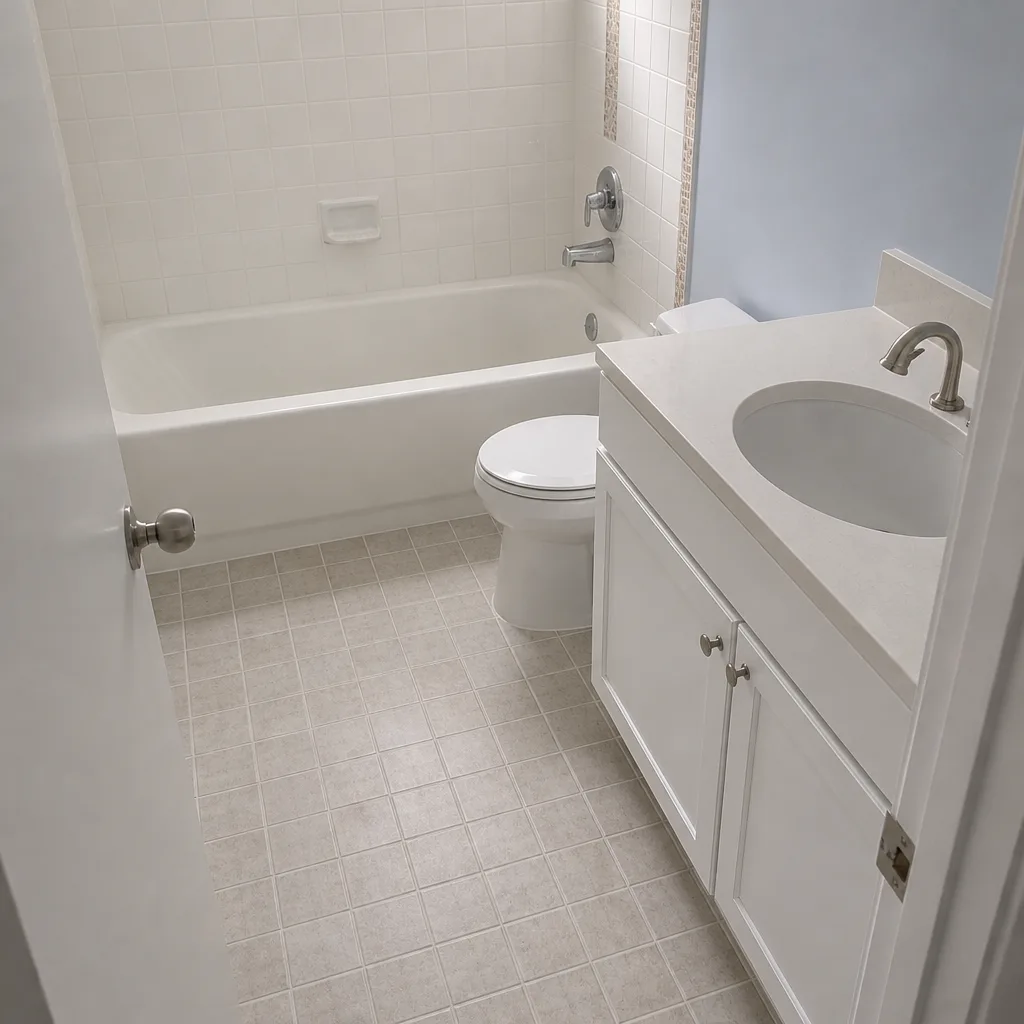
See the difference
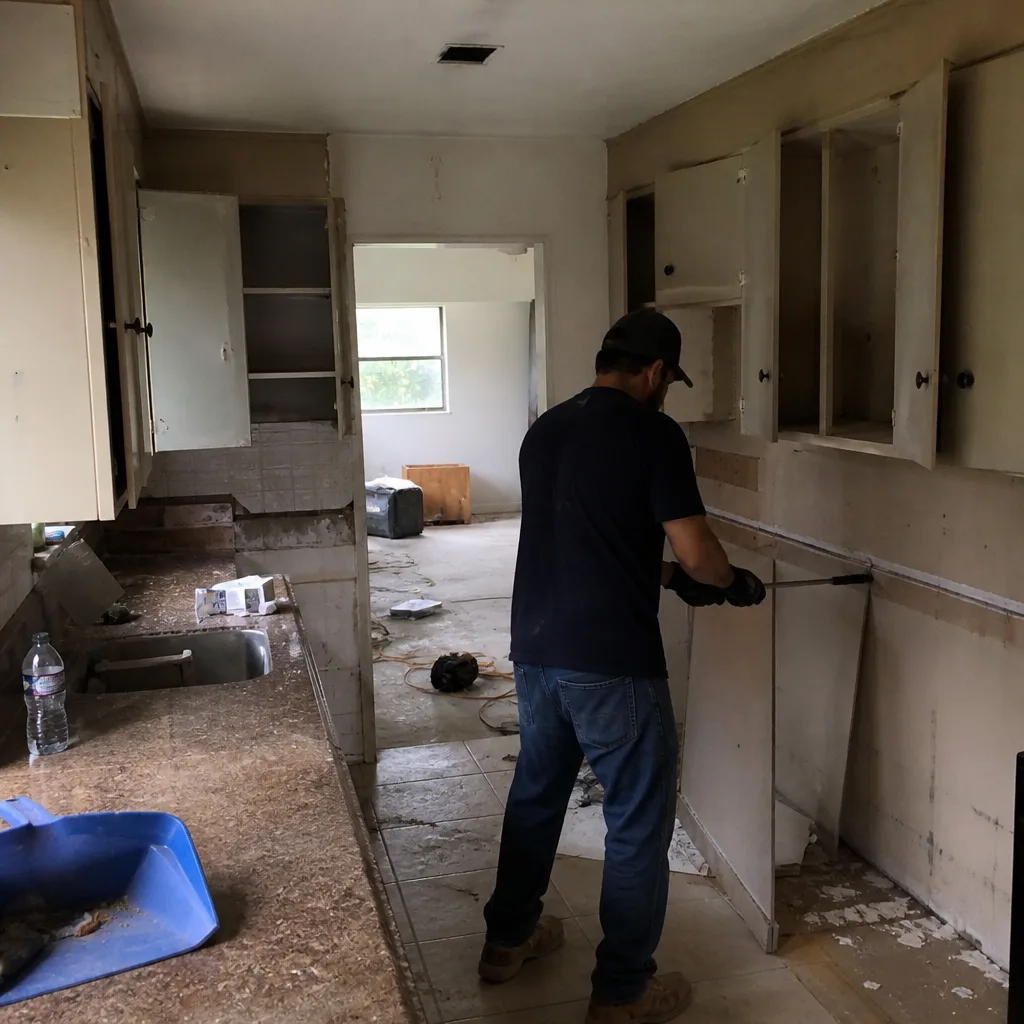 Before
 After
 Before
 After
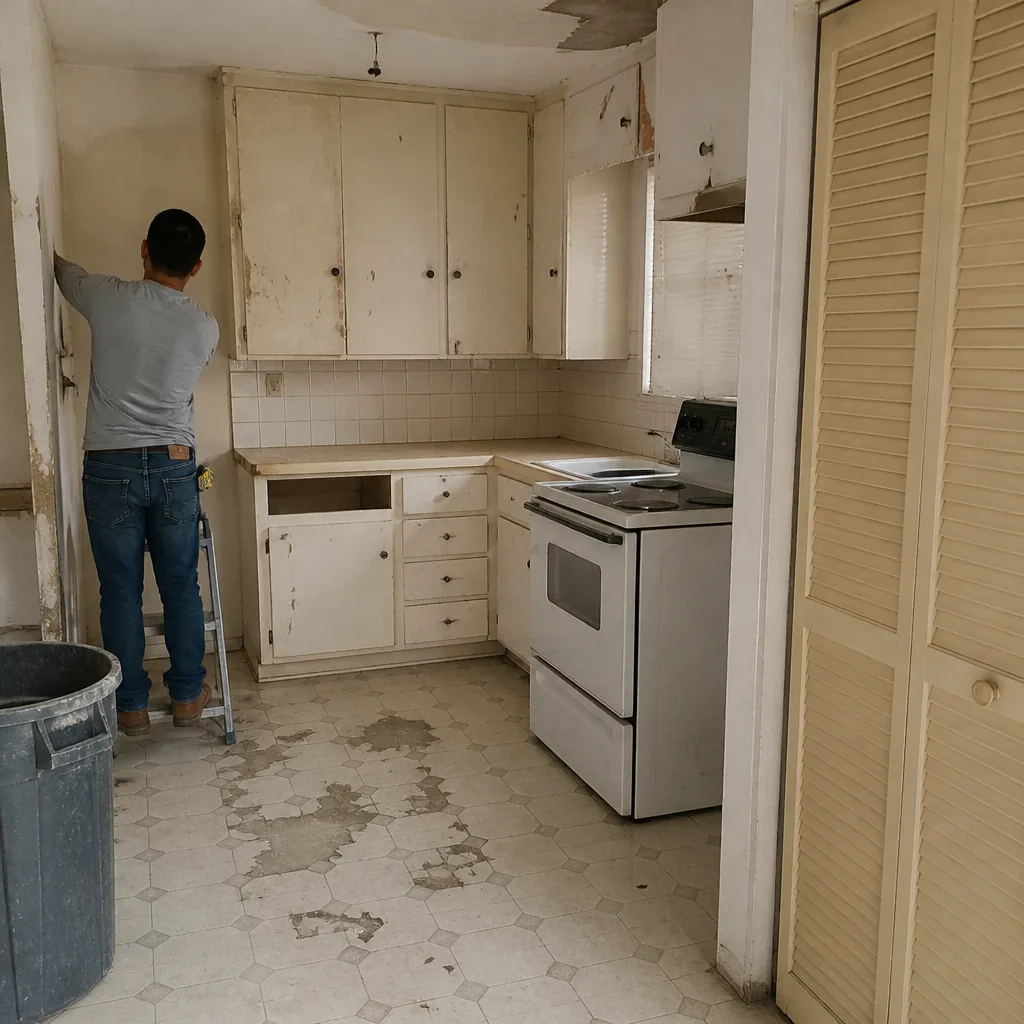 Before
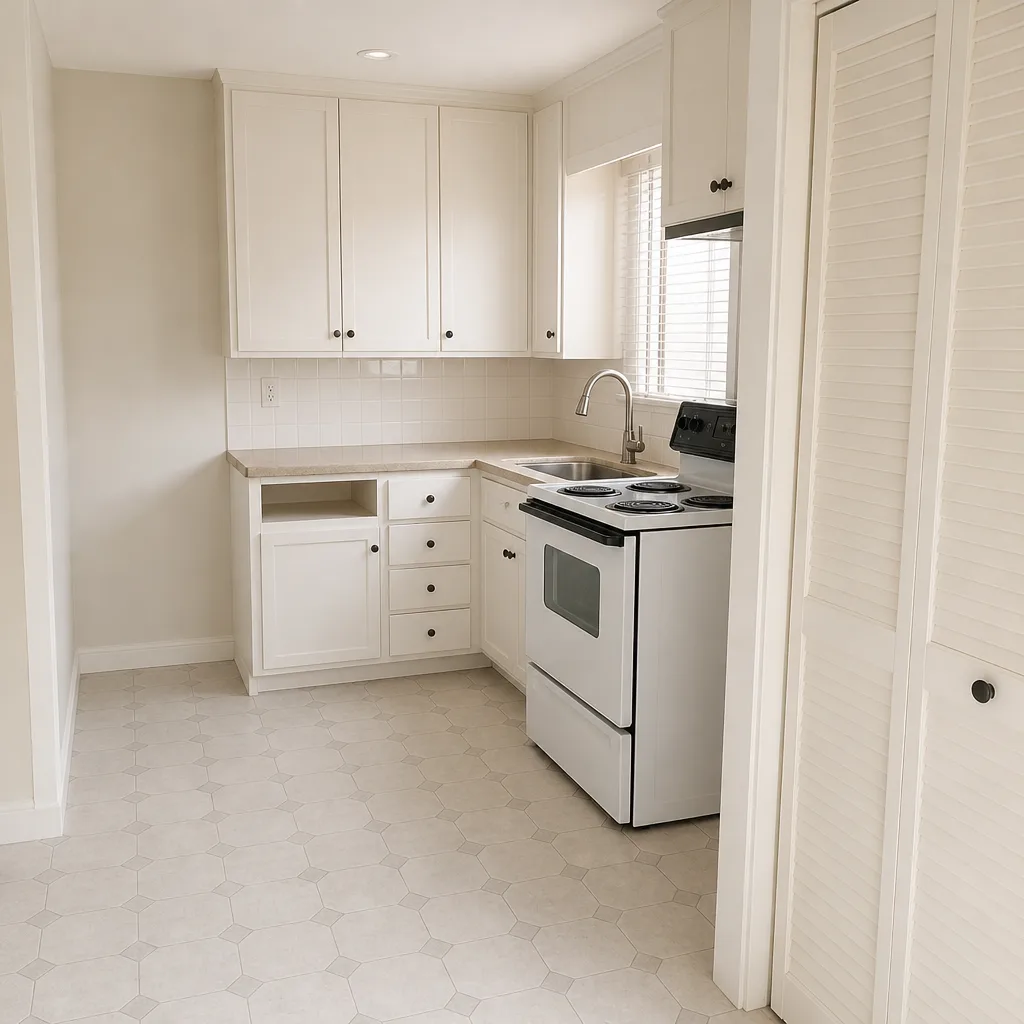 After
When to Call a Professional
Some project decisions are simple. Replacing a faucet, patching a small section of fence, or sanding and repainting a door can be handled by a capable homeowner. The projects in this guide aren’t those. A roof replacement, an impact window package, a kitchen or bathroom gut remodel, a home addition, or an ADU all involve permitted work, licensed trades, and inspection sequencing. In North Miami Beach, the HVHZ specification makes the difference between a job that passes inspection and one that has to be redone. If your roof is approaching fifteen to twenty years old, if you’re seeing corrosion on plumbing that’s behind finished walls, or if you’ve bought a home that needs multiple upgrades at once, get a written line-item estimate before any work starts. North Miami Beach Construction offers free estimates in North Miami Beach. Call (844) 651-6043 to schedule.
Frequently Asked Questions
A full kitchen remodel in North Miami Beach typically runs $48,000 to $95,000. The range depends on the cabinet brand tier, whether plumbing or electrical is being moved, whether a load-bearing wall is coming out, and your appliance allowance. Cabinet selection moves the number the most. Call (844) 651-6043 for an exact quote on your kitchen; estimates are free.
Construction in North Miami Beach runs about 20% to 45% above national averages because of three factors: HVHZ material requirements that narrow the approved product list, Miami-Dade permit and impact fees, and a licensed subcontractor pool that’s smaller than the general construction workforce. Each of those is a real line item in a written estimate, not a markup. Call (844) 651-6043 to walk through how each applies to your project.
Yes, permit acquisition and inspection scheduling are part of the written contract for permitted scopes like roofing, windows, additions, ADUs, and remodels. The permit fee is itemized in the estimate. For projects that don’t require a permit (cosmetic work, some fencing), we’ll tell you up front. Call (844) 651-6043 with the project type and we’ll confirm the permit requirement.
The scope in the written estimate is the price you pay for that scope. Where scope can legitimately change is when hidden conditions are discovered, such as rotted decking under a reroof, corroded plumbing during a bathroom gut, or unsuitable soil under a driveway re-pour. A well-written estimate states the unit price for each of those up front, and any scope expansion is documented in a written change order before work continues. Call (844) 651-6043 to see the change order language in a sample estimate.
A traditional stick-built addition in North Miami Beach typically runs several months from permit approval to final inspection, with the exact timeline depending on size, complexity, and inspection scheduling. Prefab and modular ADUs can compress the on-site construction phase because the unit is manufactured off-site. Both paths require planning approval and permit review, and the schedule in each case depends on the county’s review times. Call (844) 651-6043 to talk through which method fits your lot.
Yes, in specific places. Choose semi-custom cabinetry from KraftMaid or Wellborn instead of full custom. Select engineered quartz from Cambria, Silestone, or Caesarstone instead of natural stone. Pick consumer lines from Kohler, Moen, Grohe, or Toto for fixtures, and put the savings into the shower valve and drawer hardware where quality is felt daily. For driveways, concrete is a practical lower-cost alternative to pavers where the surface won’t see heavy loading. What you shouldn’t cut: the HVHZ-required roofing assembly, the impact-rated window specification, or the waterproofing behind tile. Those are code and performance requirements, not finishes. Call (844) 651-6043 to review the trade-offs for your specific project.
The Bottom Line
Construction costs in North Miami Beach in 2026 are higher than national averages because the materials, permitting, and labor market here are different, not because builders are charging more for the same work. Budget from local ranges: $48,000 to $95,000 for a full kitchen, $22,000 to $38,000 for a bathroom gut, $18,000 to $42,000 for a roof, $14,000 to $48,000 for impact windows. Get a written, line-item estimate that names the materials and states the change order unit prices before you sign. Then verify the brands yourself, because that’s the part you can research independently. Call (844) 651-6043 for a free estimate on your project. We answer 24/7. Fast dispatch from 7am to 7pm, Sunday through Friday.
Written by the team at North Miami Beach Construction.