
Last updated November 17, 2026
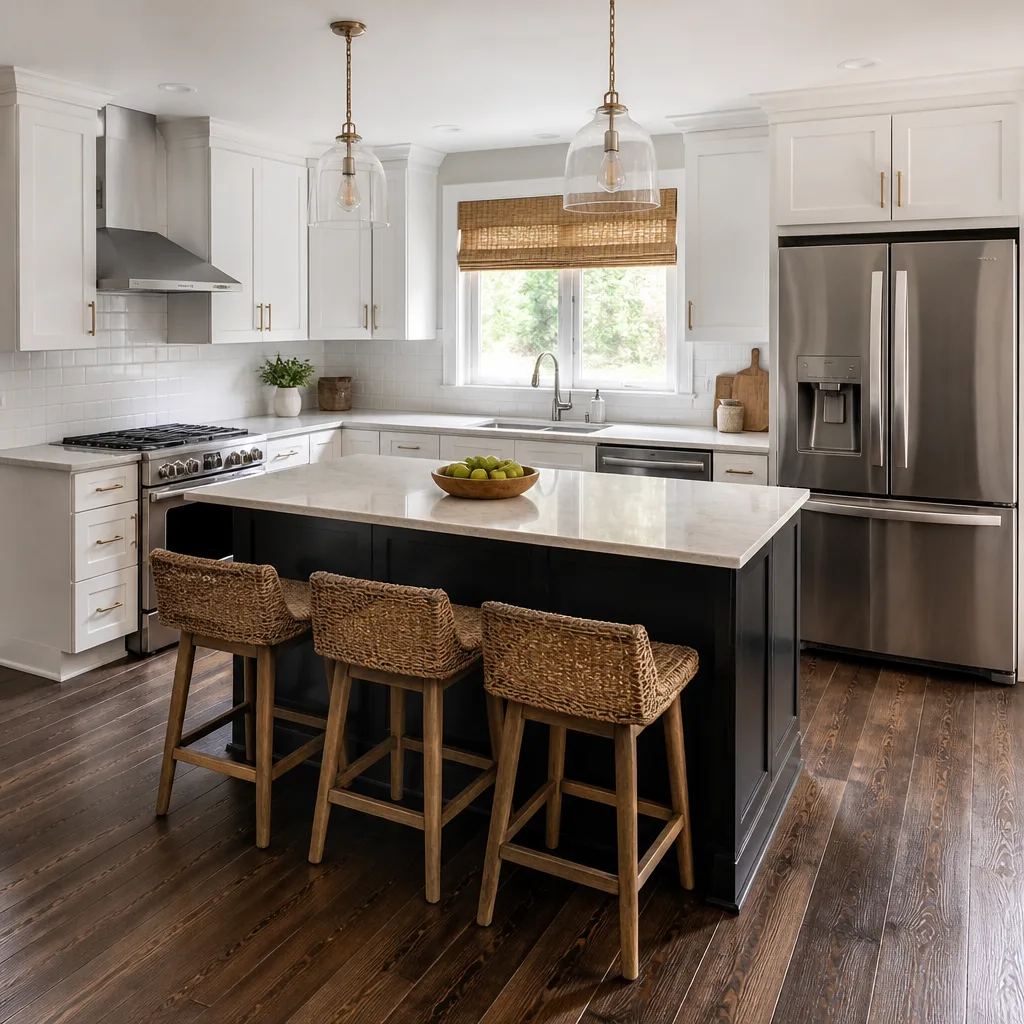 Kitchen remodeling
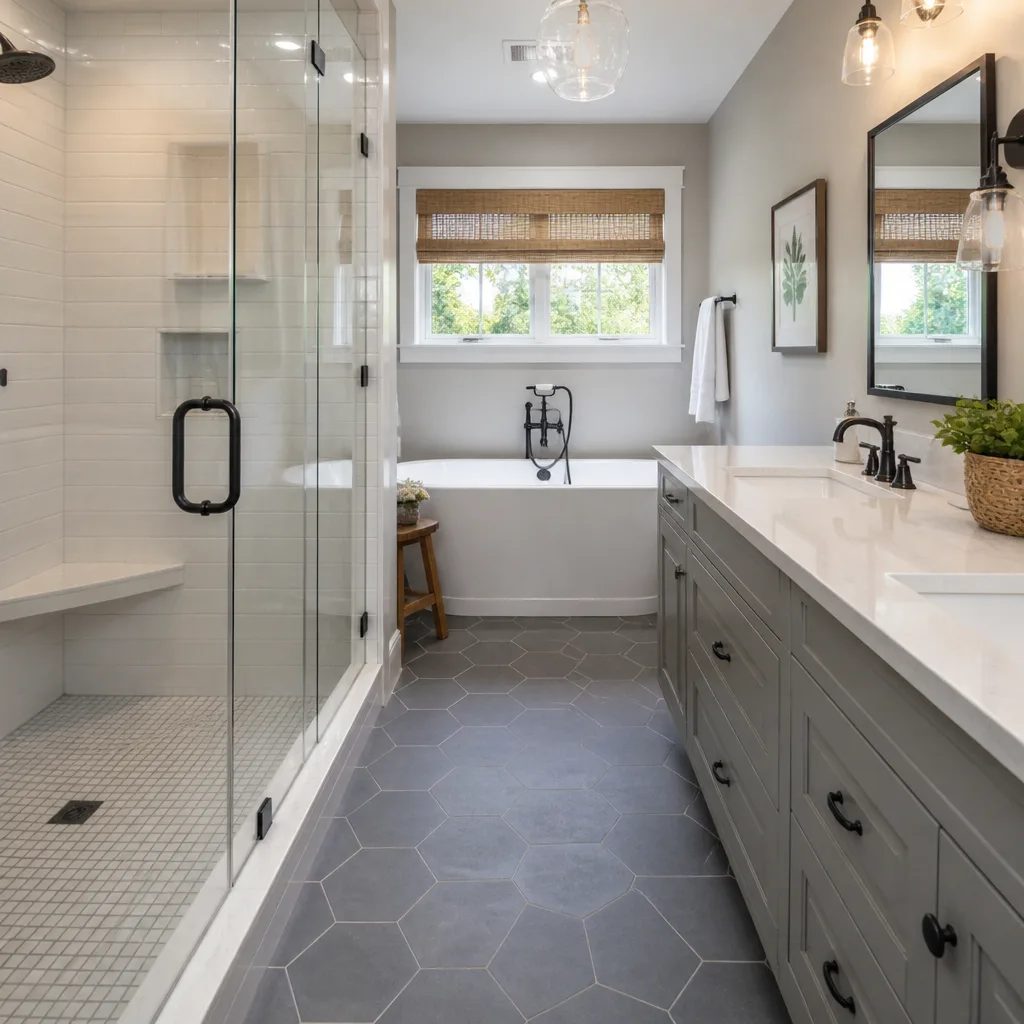 Bathroom remodeling
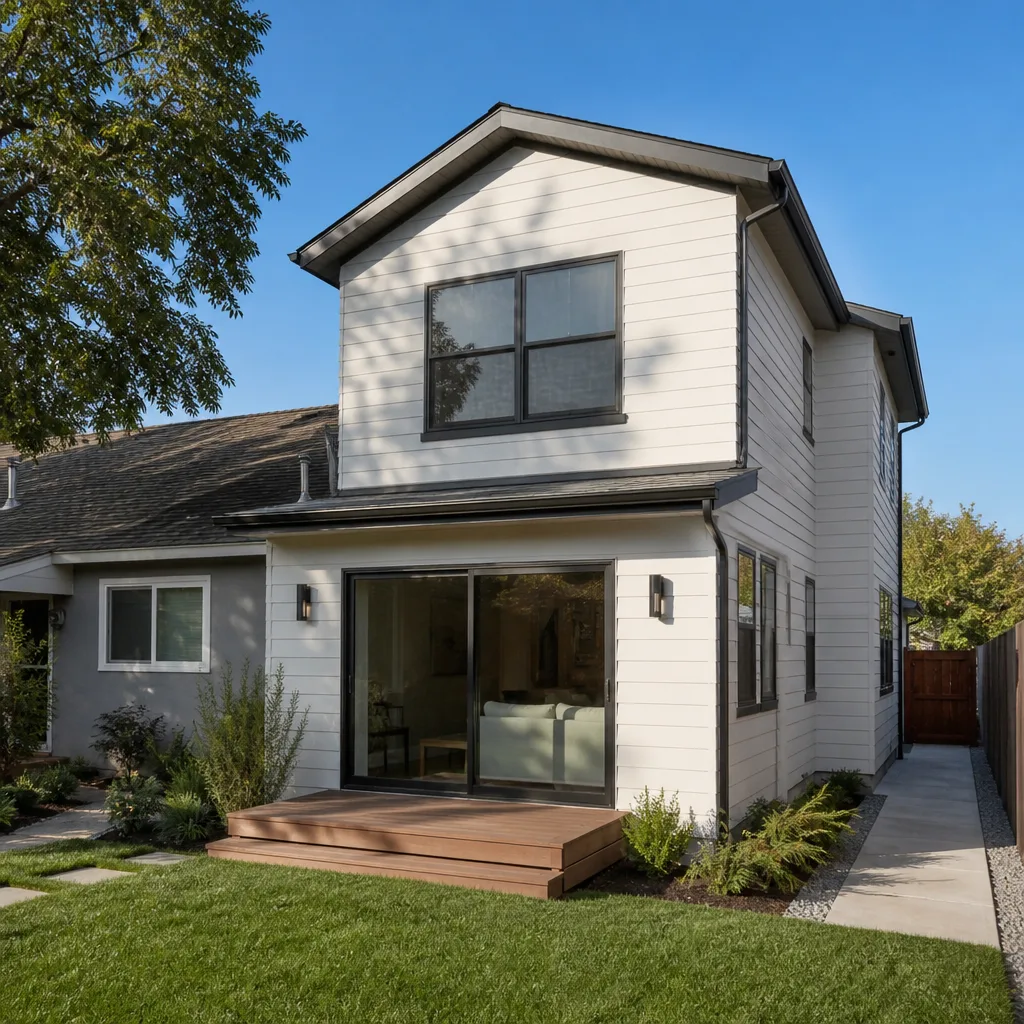 Home additions & ADU
 Roofing
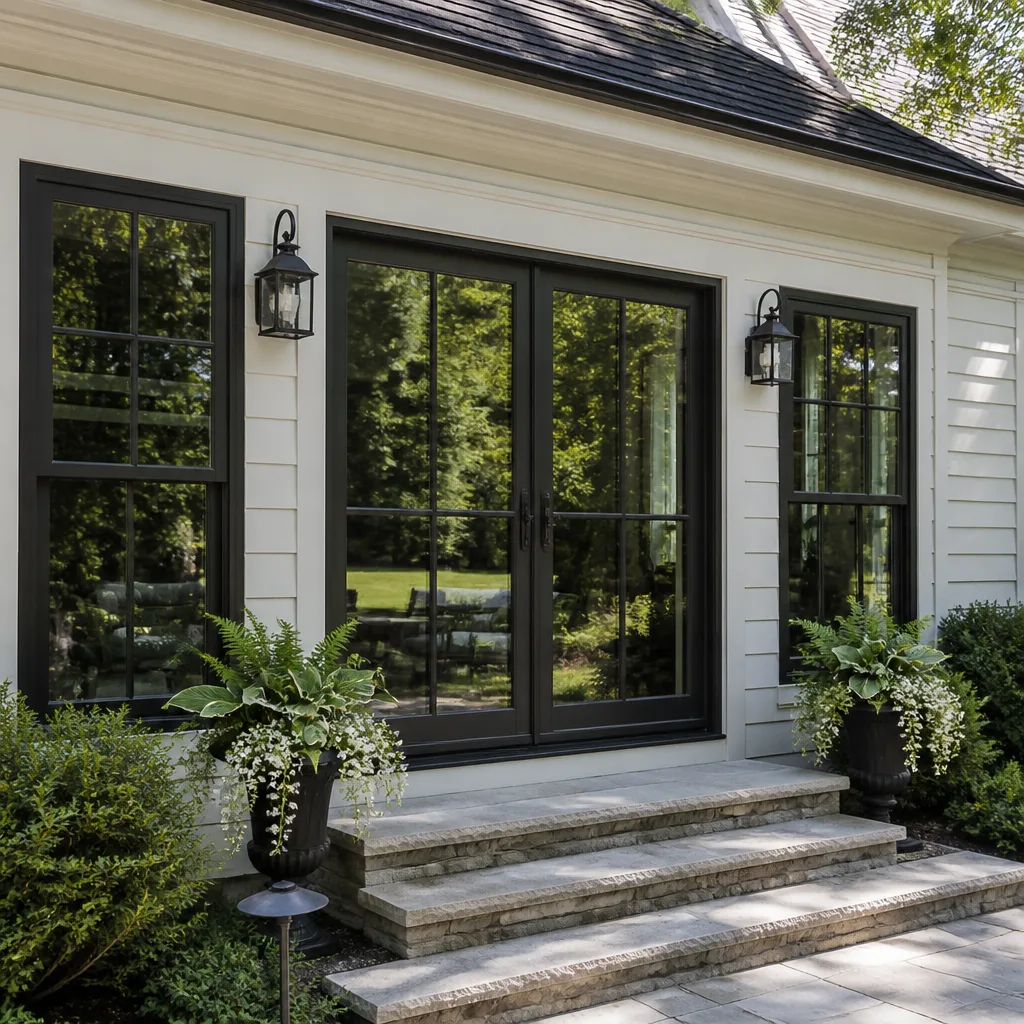 Windows & doors
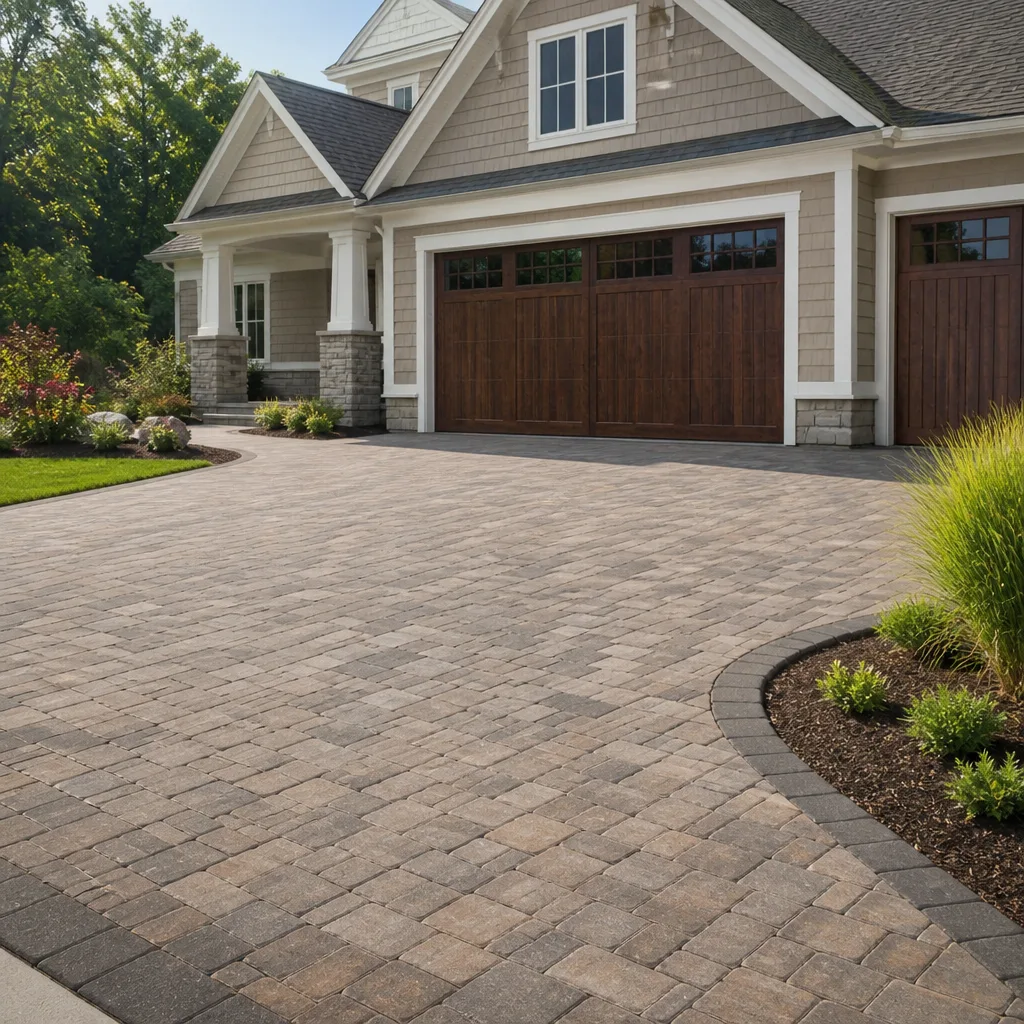 Driveway & pavers
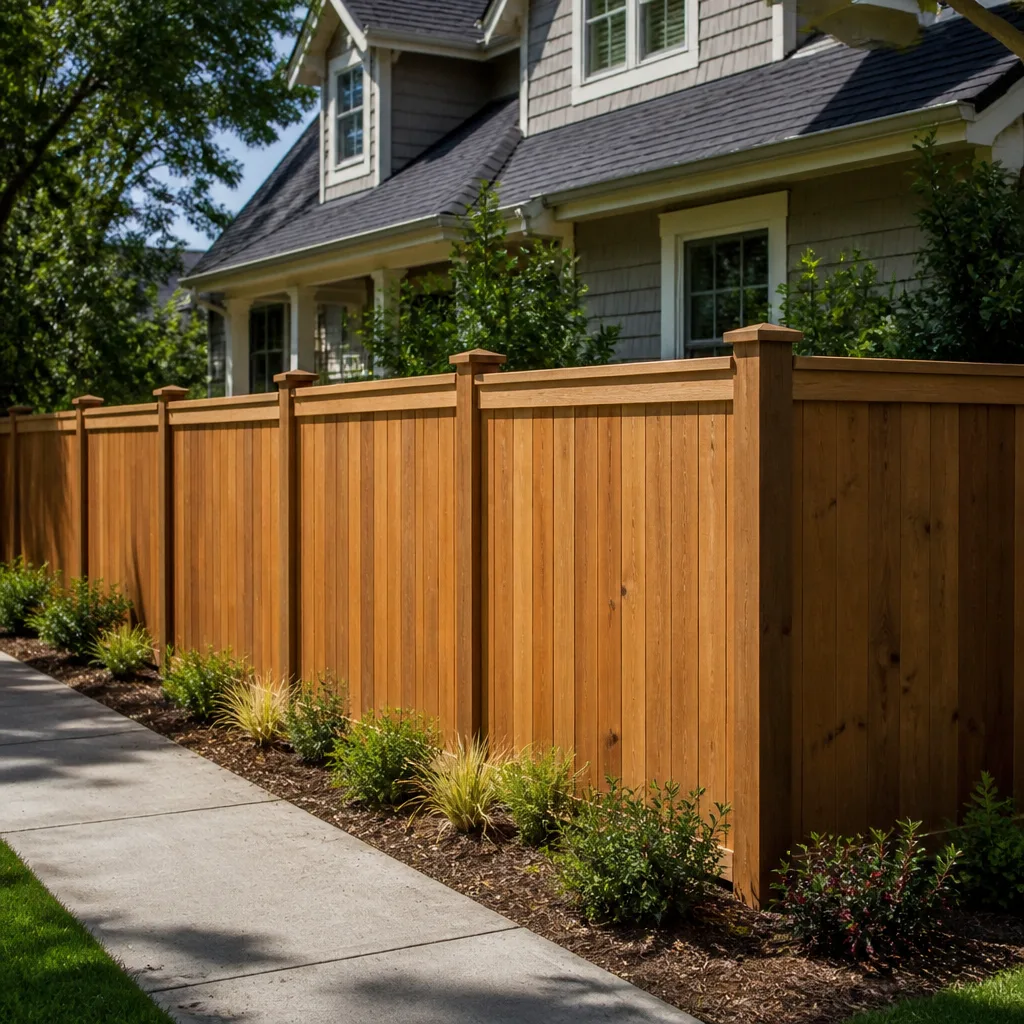 Fence
Free written scope consultation - allowances, timeline, and change-order rules on paper before a single trade is scheduled
Choosing the Right Construction Brand: A Buyer’s Guide for North Miami Beach
Most homeowners pick a brand the way they pick a paint color: by the label they recognize. That’s the wrong order of operations in North Miami Beach. A shingle that tops national sales charts may not appear on Miami-Dade’s approved product list, and a contractor who installs it without checking leaves you holding a roof that can fail an insurance inspection and complicate a sale later, no matter how it looks from the street. Brand choice here starts as a compliance question, then becomes a quality question within the products that already meet the local wind requirements. This guide shows you how to verify any material before you sign, how the major roofing and impact window brands actually differ, and where brand certification separates a clean warranty claim from a denied one.
Quick Answer
In North Miami Beach, the right construction brand is first one that carries a Miami-Dade Notice of Acceptance or Florida Product Approval for its application, and only second one with a name you recognize. Among approved products, the differences that matter are warranty terms, installer certification requirements, and local distributor support. Verify every product in the state or county database before you accept a proposal, and confirm the installer holds the brand’s own certification, because the warranty often depends on it.
Styles & brands we work with
- Kitchen remodeling
- Bathroom remodeling
- Home additions & ADU
- Roofing
- Windows & doors
- Driveway & pavers
- Fence
Table of Contents
- Why Compliance Comes Before Brand Preference in North Miami Beach
- How to Verify Any Material Using the NOA and Florida Product Approval Databases
- Roofing Brands Within the Approved Tier: GAF vs. Owens Corning vs. CertainTeed
- Impact Window Brands for North Miami Beach: Where PGT, CGI, and ECO Window Systems Differ
- Kitchen and Bath Fixture Brands That Hold Up in South Florida Humidity
- Certified Installer vs. Anyone With a Truck: What Brand Certification Really Guarantees
- Why Material Consistency Across Trades Matters on One Property
- Questions to Ask a Contractor About Brand and Warranty
Why Compliance Comes Before Brand Preference in North Miami Beach
North Miami Beach sits inside the High Velocity Hurricane Zone, the strictest wind-resistance region in the state’s building code. That changes the entire starting point of a material conversation. In most of the country, a homeowner compares brands on cost, color, and warranty length. Here, the first filter is whether a product is approved for the application at all. A product without the right approval isn’t a cheaper option. It’s a product the inspector may reject and the insurer may refuse to cover.
This is where brand loyalty gets people into trouble. A national brand can sell excellent products and still have specific models that don’t carry approval for a given use. The approval is product-and-application specific, not brand-wide. We’ve watched homeowners assume that because a manufacturer is famous, everything it makes is cleared for a Miami-Dade roof or window opening. That assumption doesn’t survive the first plan review.
So the order is fixed: approval first, then brand quality within the approved tier. That second step matters, and it’s where this guide spends most of its time. Once you’ve narrowed to products that are legally installable, the remaining differences are real. Warranty structures differ. Installer certification requirements differ. Distributor support in South Florida differs. Finish durability in a humid climate differs. Those are the things that determine whether your job looks good in year one and still performs in year twelve.
We specify brands for exactly this reason: each product in a scope is chosen because it’s approved for the application and because its warranty and installer program make sense for the climate. From your driveway to your roofline, that standard applies. Whether you’re adding square footage or upgrading what you already have, the compliance-first habit is the same, and it’s the single most useful thing you can adopt as a buyer in North Miami Beach.
How to Verify Any Material Using the NOA and Florida Product Approval Databases
You can check any product a contractor proposes in a few minutes, and you don’t need a license to do it. Miami-Dade maintains a public Notice of Acceptance database, and the state maintains the Florida Product Approval system. Both are searchable. The habit of checking before signing is the best protection a homeowner has, and it costs nothing.
- Find the product’s approval number. Ask the contractor to write the specific product name, its approval or NOA number, and the application (roof covering, window, door, shutter, and so on) into the proposal. A number that isn’t written down is a number that can drift.
- Search the Miami-Dade NOA database. Enter the manufacturer or the NOA number and confirm the product appears, that the approval is current and not expired, and that the application matches your project.
- Cross-check the Florida Product Approval system. Some products carry state approval rather than a county NOA, or carry both. Confirm which one applies to your job and that the listed evaluation is valid.
- Read the approval’s conditions. Approvals often specify installation requirements: fastener type and spacing, substrate, or a required system rather than a single product. If your installer plans to deviate, the approval may not cover the finished assembly.
- Match the approval to the actual spec. The approved product must be the product installed. A substituted model, even from the same brand, can fall outside the approval and void the value of the check you just did.
- Keep a copy in your project file. Print or save the approval listing alongside your signed proposal. It’s useful documentation at inspection, at resale, and if you ever file a warranty claim.
We’ll walk you through this for any product in a proposal, and we put the approval references in writing so you can run the steps yourself. If a contractor can’t or won’t supply the approval number and application, that tells you something before the first day of work. Call (844) 651-6043 and we’ll show you what a properly documented scope looks like. Estimates are free.
Roofing Brands Within the Approved Tier: GAF vs. Owens Corning vs. CertainTeed
Once you’re comparing among approved roofing products, the differences come down to warranty structure, installation requirements, and how the manufacturer backs the labor. GAF, Owens Corning, and CertainTeed all sit at the top of the residential market, and all three offer product lines that meet local approval requirements. The choice between them is less about which is “better” and more about which warranty and certification program fits your situation.
Take GAF Timberline HDZ against Owens Corning Duration Storm as an example of how to think. Both are proven, both have approved configurations in the local market, and the real comparison lives in the warranty details:
- Wind speed ratings. Manufacturers publish wind ratings for their shingles, and the rating is tied to a specific installation method. A high rating claimed without the matching installation spec is a number on a brochure, not a guarantee on your roof. Ask for the rating and the installation requirements that support it, in writing.
- Nail requirements. Nail placement and count are part of the approval and the warranty. The approved assembly often specifies nail type, number per shingle, and placement zone. An installer who nails high or skips the specified pattern can void the wind coverage regardless of the brand.
- Labor warranty availability by location. Manufacturer labor warranties can vary by program and region, and some are only available through certified installers. The product warranty and the labor warranty are separate documents. Ask which one applies to your roof and what certification it requires.
- Certification tiers. Each of the three brands runs a contractor certification program, and the top tiers typically unlock the strongest warranty options. That’s a reason to ask a contractor which tier they hold, not just whether they “install GAF” or “install Owens Corning.”
We work within all three, which is the point. We specify the product that’s approved for your roof and whose warranty program the installation can actually satisfy. Roofing work here is backed by manufacturer programs from GAF, CertainTeed, and Owens Corning, three of the most widely recognized warranty structures in residential roofing. Our technicians have up to 9 years of experience, and they install to the spec the approval requires. If you want to compare approved options side by side before committing, call (844) 651-6043. The estimate is free and the scope is written line by line.
Impact Window Brands for North Miami Beach: Where PGT, CGI, and ECO Window Systems Differ
Impact window brands that clear local approval aren’t interchangeable, and the differences show up in the details of service and durability, not in whether they meet code. PGT, CGI, and ECO Window Systems all offer impact-rated products engineered and certified for high-wind, high-humidity environments. Once each is approved for your opening, the real questions are: who sells it here, who services the warranty, and how does the frame finish hold up over time.
Dealer network and warranty service response are where brand choice has the most practical weight in North Miami Beach. A window brand is only as good as the local support behind it. When a unit needs service years after installation, the response comes through the manufacturer’s local network, and a well-supported brand in your market gets you a faster path than one with thin local coverage. Ask a contractor which brands they can service directly and which route through a distributor.
Frame finish durability also matters in a humid climate. Finishes on frames and hardware are engineered to hold up under sustained moisture and sun. The brands maintain finish warranties, and the terms differ. Ask for the finish warranty in writing and read how long it runs and what it covers. That’s a more useful comparison than a color card.
Certification plays into this too. A brand’s certified dealer program typically carries training and often ties warranty enrollment to the dealer. We handle impact window and door installations using PGT, CGI, CWS, and ECO Window Systems, brands built for this climate, and we explain which qualifies for which warranty when we quote. If you’re weighing impact windows against other upgrades, our guide to North Miami Beach Construction shows how the trades connect on a single property. For a written window quote, call (844) 651-6043. Estimates are free.
Kitchen and Bath Fixture Brands That Hold Up in South Florida Humidity
Fixture brands matter in a humid climate because moisture exposure is constant, and finishes that survive a dry climate can fail faster here. The brands worth comparing are the ones with documented finish warranties and local parts support. Kohler, Moen, Grohe, and Toto all sit in that tier, and the differences among them are in finish line, warranty terms, and parts availability.
Finish is the first thing to compare. Manufacturers that sell heavily in humid markets tend to offer finish lines engineered for moisture exposure, with written warranties behind them. Ask for the finish warranty specifically, not just the fixture warranty, and read the length and the exclusions. A finish warranty that covers the plating for the stated term is a more useful document than a general product warranty that leaves finish out.
Parts availability is the second. Any faucet will eventually need a cartridge, a valve, or a trim piece. Brands with strong local distribution get you the part quickly, and brands without it leave you waiting. That’s a practical difference between the names above when a shower valve starts to drip.
We work within Toto, Kohler, Moen, and Grohe for fixtures, and within our confirmed cabinetry and surface brands for the rest of the room. Cabinetry draws from KraftMaid and Wellborn, surfacing from Cambria, Silestone, and Caesarstone. Behind the finished surfaces, we specify waterproofing systems from manufacturers like Schluter where the assembly calls for it, because tile failure in a humid bathroom usually traces back to the substrate, not the tile. Every brand we specify is one you can look up before signing anything. If you’re planning a kitchen or bath, call (844) 651-6043 for a free estimate and ask us to walk you through the material options.
Certified Installer vs. Anyone With a Truck: What Brand Certification Really Guarantees
Brand certification is the part of the material decision most homeowners skip, and it’s where warranty claims are won or lost. A certified installer has completed the manufacturer’s training and is listed by the brand as qualified to install its products to the warranty standard. A contractor who buys the same product without certification can install it, but the strongest warranty tiers may not apply, and a claim can be denied regardless of the product’s quality.
Here’s what to understand about the difference. Manufacturers run certification programs, and many of the top warranty tiers are available only to certified installers. The certification is the manufacturer’s way of ensuring its product is installed to the spec its warranty depends on. When you choose a certified installer, you’re buying the manufacturer’s confidence in the installation, expressed as an extended or enhanced warranty. When you choose an uncertified one, you may get the standard product warranty and nothing more.
So the question to ask each contractor isn’t “do you install GAF” or “do you install PGT.” It’s “which certification tier do you hold, and what warranty does that unlock on my job?” Then verify the claim against the manufacturer’s own contractor listing. A certification you can confirm is worth more than a logo on a truck, because it’s the thing the warranty administrator checks when a claim is filed.
- Ask for the tier, not the brand. “We install GAF” tells you nothing. “We hold this GAF certification tier, which makes this warranty available on your roof” is the answer you want.
- Verify on the manufacturer’s site. Most brands publish contractor listings. Confirm the contractor appears and that their tier matches what they told you.
- Read the warranty with the job in mind. Some warranty tiers require specific installation methods or certified labor. Confirm the scope will satisfy those requirements.
- Match certification to warranty terms. The benefit of certification is the warranty. If the warranty doesn’t actually improve, the certification isn’t doing work for you.
Our work is specified and installed to the manufacturer requirements that back the warranties, and we’ll show you which certifications apply to your job. From your driveway to your roofline, manufacturer-warranted materials mean the installation is accountable to the same brand that made the product. Call (844) 651-6043 and we’ll walk you through what’s available for your project. Estimates are free.
Why Material Consistency Across Trades Matters on One Property
Most homeowners planning a significant upgrade aren’t doing one project. They’re doing several at once, and that’s where material consistency becomes a real advantage rather than a talking point. When the same contractor specifies materials across the trades, the standards hold from the roofline down, and the warranties across the property are managed by the same hand.
Consider a property where roofing, windows, kitchen, bath, additions, fencing, and hardscape all come up over a few years. With separate contractors for each, installers and materials get stitched together from unvetted subs, and the homeowner is left managing the seams. With one relationship, the material standard is the same across the whole scope, and the decisions coordinate. For example, exterior additions and ADU work touch roofing, windows, siding, and sometimes hardscape at the same time. Material continuity there means fewer surprises and cleaner warranty coverage.
Our scope covers seven trades under one contract: roofing, windows and doors, kitchen remodeling, bathroom remodeling, home additions and ADU work, fencing, and driveways and pavers. That includes driveway & pavers specified from professional-grade manufacturers like Belgard, Unilock, Tremron, and Techo-Bloc, whose materials carry warranties that transfer to you independently of the labor contract. It includes fence installation from commercial-grade brands like Barrette, Master Halco, and Ameristar, engineered for longevity rather than builder-grade bulk material. And it includes home additions & ADU in both traditional and prefab form, with options through Abodu, Dvele, Mighty Buildings, and Boxabl alongside stick-built construction. Homeowners pick the method, not just the floor plan.
Whether you’re adding square footage or upgrading what you already have, the advantage is that the standard doesn’t change from trade to trade. One crew, one point of contact, one set of material standards. Call (844) 651-6043 to talk through a whole-property scope. Estimates are free.
Questions to Ask a Contractor About Brand and Warranty
A short list of questions will separate a contractor who understands brand and warranty from one who buys whatever is available. Ask these before you sign, and write the answers into the proposal. The goal is a written scope where every product is named, every approval is documented, and every warranty is referenced. That document is what protects you later. Here are the questions that do the most work:
- Which specific product and approval number will you install? Get the product name, the approval or NOA number, and the application in the proposal, so you can verify it yourself.
- Which certification tier do you hold? Ask about the brand’s contractor program, not just whether they install the brand, and verify the listing.
- What warranty comes with the installation, and who backs the labor? Confirm the product warranty and the labor warranty separately, with the terms and duration in writing.
- Who services the warranty if something fails? For windows and other products, ask how service reaches you and which brand routes through a local network.
- How are materials protected after installation? For hardscape, ask about the manufacturer warranty and whether it transfers to you.
- What happens if a product is substituted? Confirm that any substitution will be documented and re-approved before installation.
If a contractor can answer all six in writing and stand behind the scope, you’re working with someone who treats warranty as part of the service. We’ll answer them all for your project, in the estimate. Call (844) 651-6043. We answer 24/7. Fast dispatch from 7am to 7pm, Sunday through Friday.
Common Mistakes to Avoid
- Choosing a brand before checking approval. Brand recognition doesn’t replace approval. A famous shingle that isn’t on the approved list for your application can fail inspection. Check the number first.
- Accepting a product name without an approval number. A proposal that says “premium architectural shingle” and names no product gives you nothing to verify. Insist on the specific product and its approval reference in writing.
- Assuming a familiar brand covers everything it makes. Approvals are product-and-application specific. A brand’s window line and its door line may carry different approvals. Match each product to the opening.
- Skipping the certification question. The strongest warranty tiers are often available only through certified installers. A contractor who installs the brand without certification can leave you with the standard warranty and nothing more.
- Ignoring the labor warranty. Homeowners read the product warranty and miss the labor warranty. In a place where installation details like nail placement decide wind coverage, the labor warranty is the one worth asking about.
- Letting material standards drift from trade to trade. Separate contractors across a multi-project scope can leave you managing material quality every time. Keep one standard across the property.
- Not saving the approvals and warranty documents. Keep the approval listings and warranty paperwork with your project file. They’re useful at inspection, at resale, and when you file a claim.
See the difference
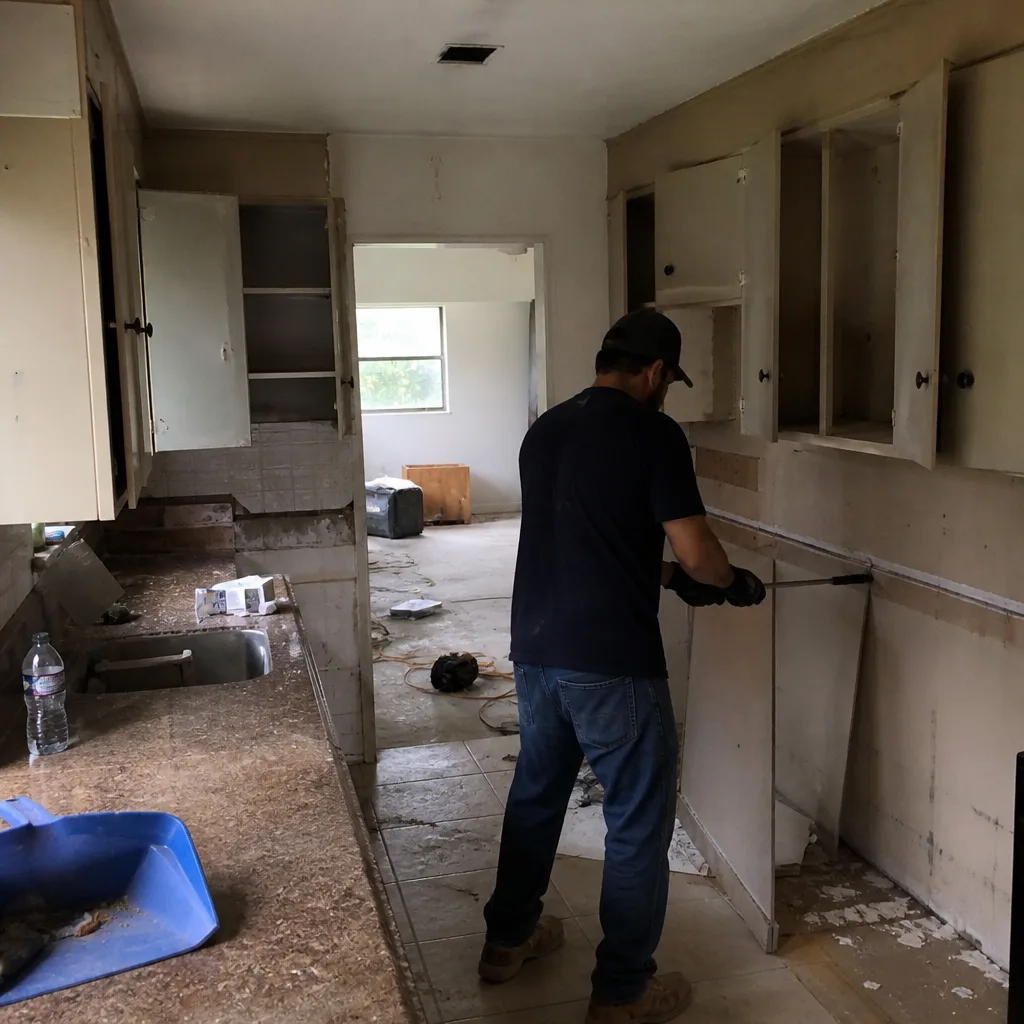 Before
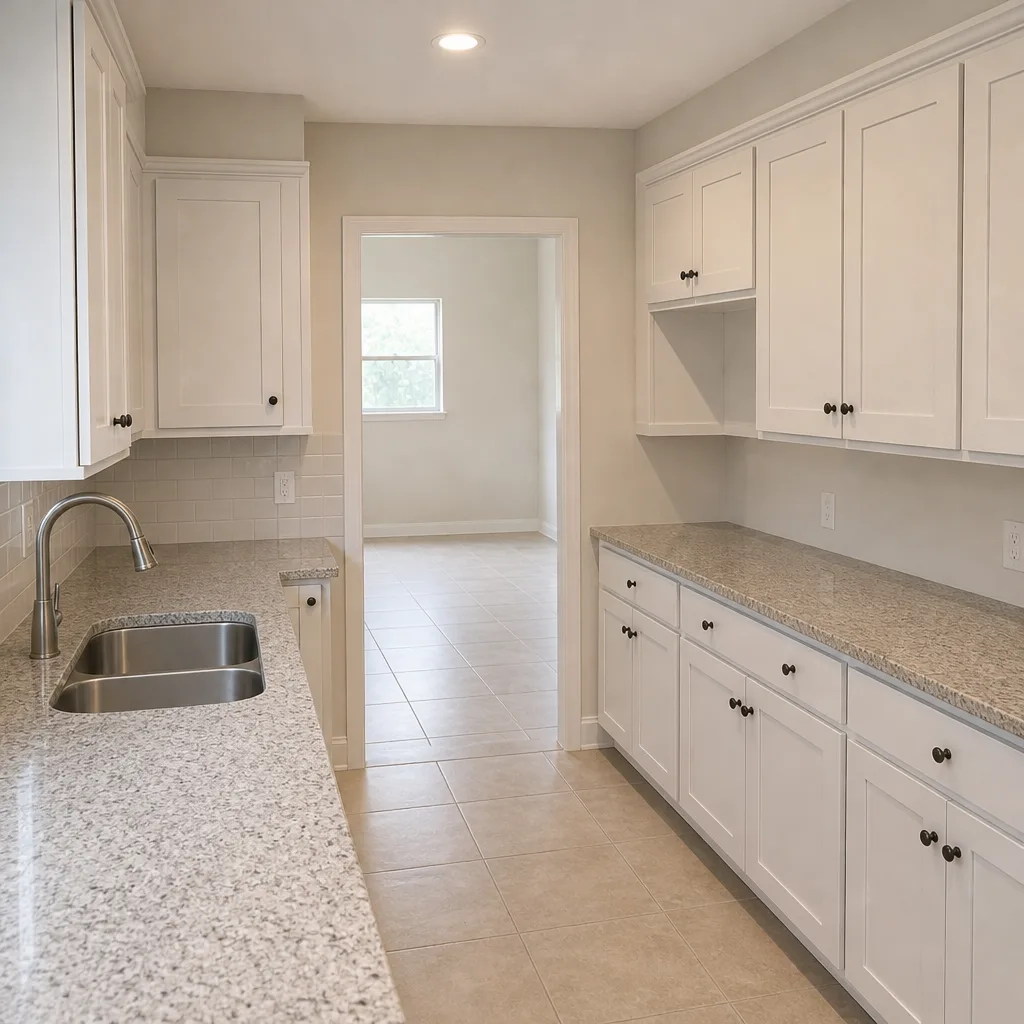 After
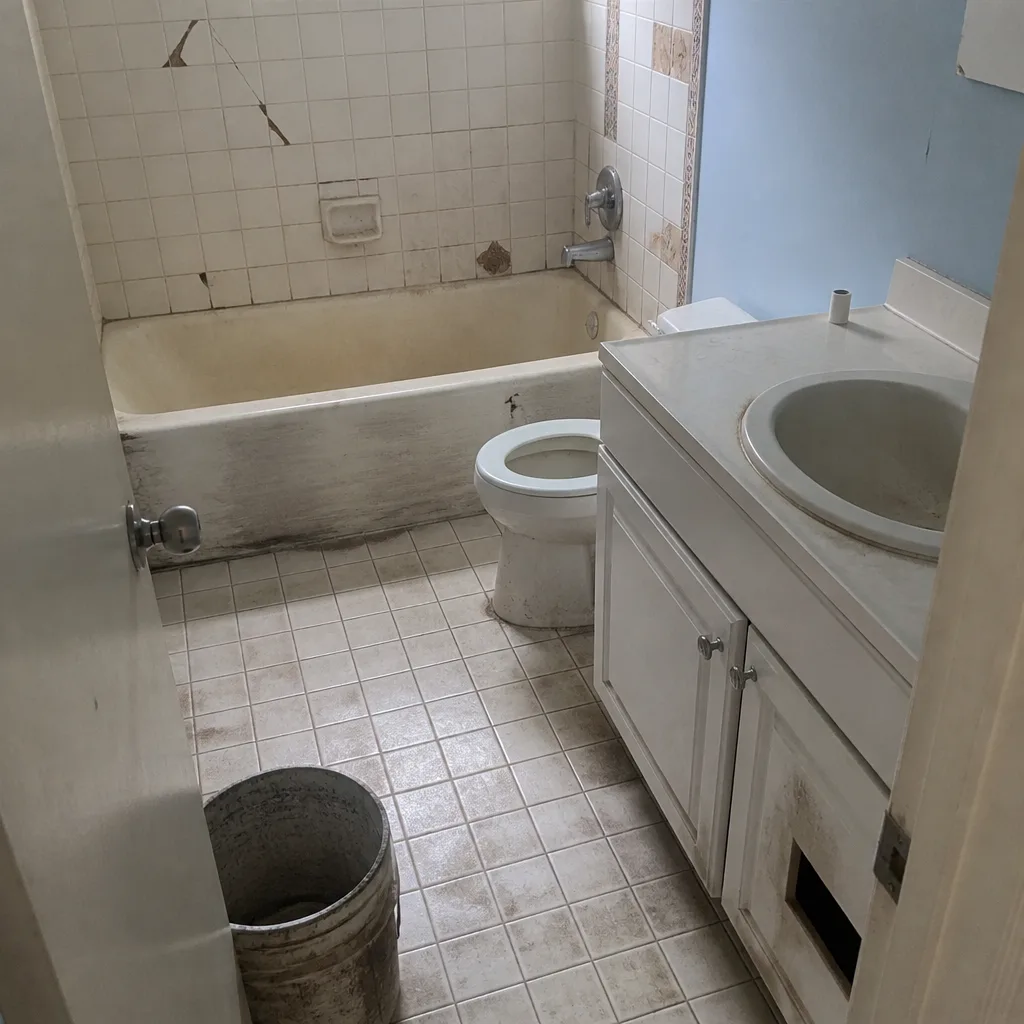 Before
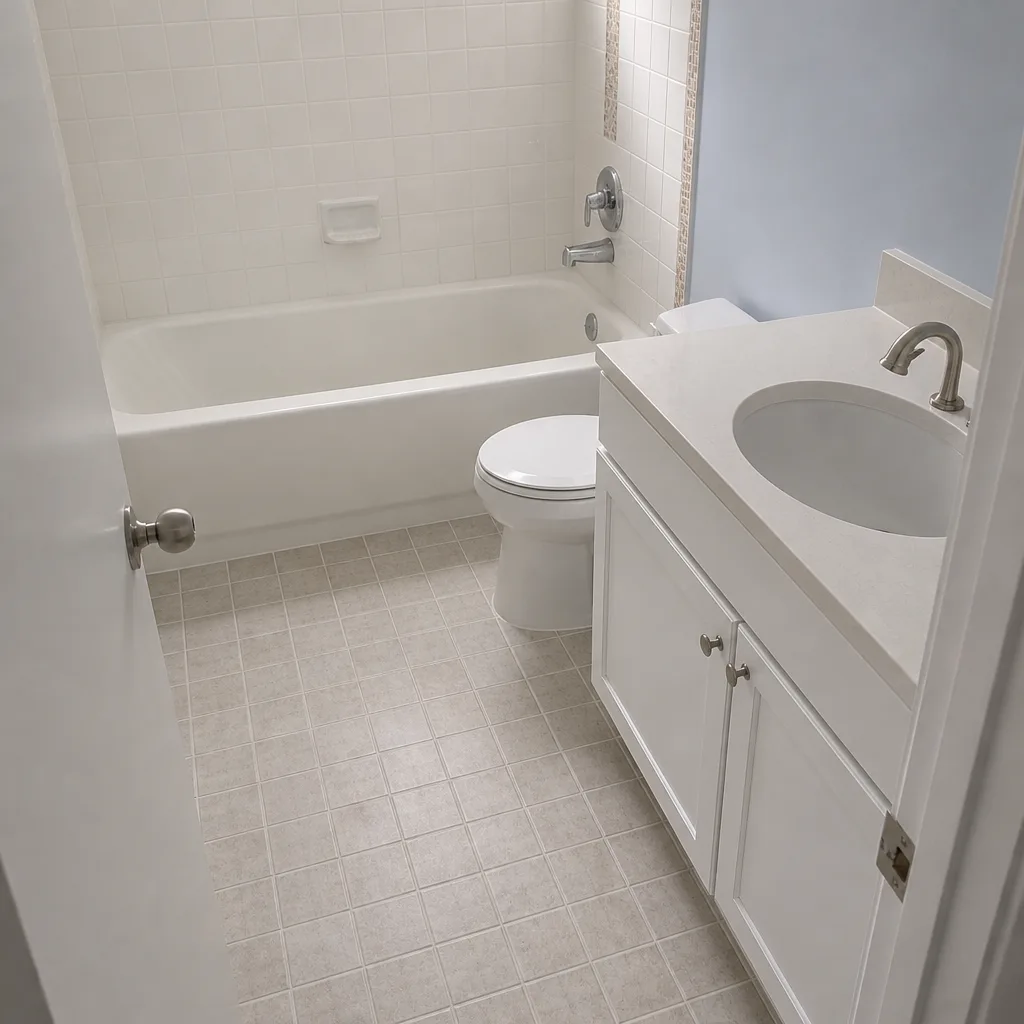 After
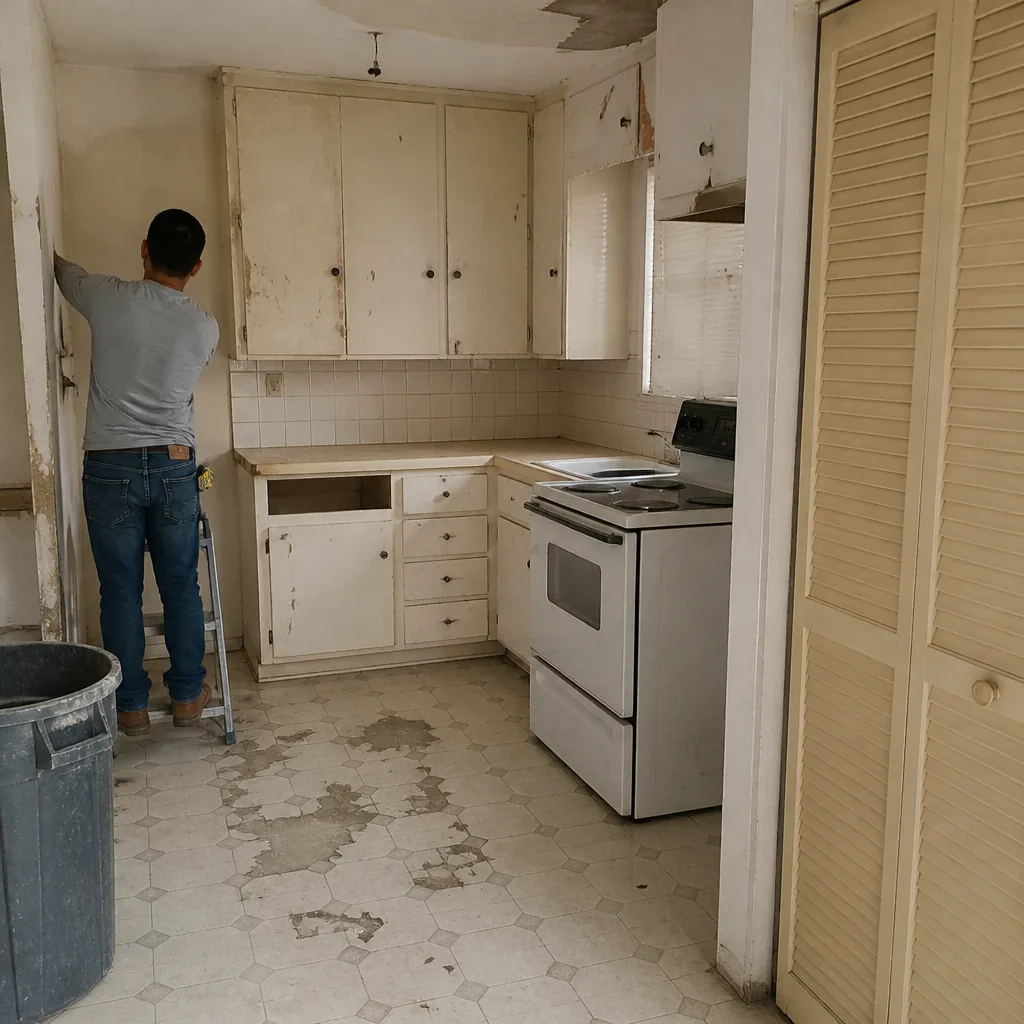 Before
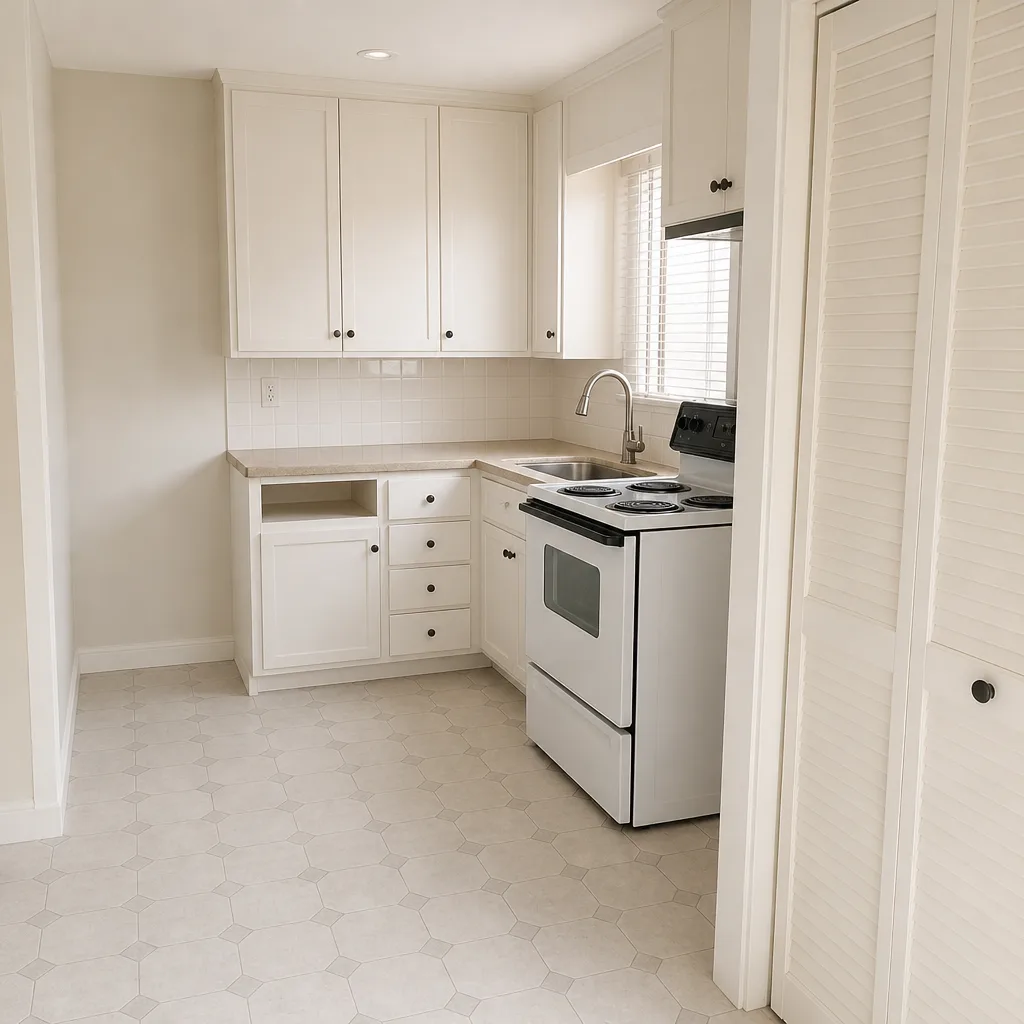 After
When to Call a Professional
Some material decisions in North Miami Beach are not DIY calls. Roofing work at height, impact window and door installation where the assembly and approval both have to hold, and any electrical or plumbing change behind a wall should go to a trained professional. We note that plainly because a roof installed off-spec fails the warranty and the inspection at once, and an impact opening installed off-spec can compromise the protection it was bought to provide. Even a small scope deserves a professional look when the wind and moisture demands are this high. If you’re weighing a material decision on roofing, windows, kitchen, bath, additions, fencing, or pavers, get the scope and the warranty documented before you commit. North Miami Beach Construction offers free estimates in North Miami Beach. Call (844) 651-6043 and we’ll walk you through the approved options for your project.
Frequently Asked Questions
Search the Miami-Dade NOA database and the Florida Product Approval system for the product’s approval number. Confirm the listing is current and matches your application, then check the approval’s installation conditions. Ask the contractor to put the product name and approval number in the proposal so you can verify the exact product specified.
There’s no single “best” roofing brand; the right one is approved for your roof and backed by a warranty the installation can satisfy. GAF, Owens Corning, and CertainTeed all offer approved lines, and the differences are in warranty structure, nail and installation requirements, and certification tiers. Compare those details, then call (844) 651-6043 for a written quote on the options that fit your roof.
Impact windows need the right approval for each opening; among approved products, brand choice affects warranty service and finish durability. PGT, CGI, and ECO Window Systems all offer impact-rated lines, and dealer network and warranty response differ. Ask which brand can be serviced locally and request the finish warranty in writing. Call (844) 651-6043 to compare options.
Certification means the installer completed the manufacturer’s training and appears on its qualified installer list, and it often unlocks the strongest warranty tiers. It doesn’t guarantee the product is installed perfectly, so verify the tier on the manufacturer’s site and confirm which warranty it makes available. Call (844) 651-6043 and we’ll show you which certifications apply to your job.
Kohler, Moen, Grohe, and Toto offer finish lines and warranty terms worth comparing in a humid climate, and parts availability matters as much as the finish. Ask for the finish warranty in writing and confirm that replacement parts are available locally. Call (844) 651-6043 to discuss fixture options for a kitchen or bath.
Yes, and a whole-property scope keeps the material standard consistent from the roofline down. Our seven trades run under one contract and one point of contact, so roofing, windows, kitchen, bath, additions, fencing, and pavers are specified to the same standard. Call (844) 651-6043 to plan a whole-property scope. Estimates are free.
The Bottom Line
Material choice in North Miami Beach is a compliance decision first and a brand decision second. Verify every product through the Miami-Dade NOA and Florida Product Approval databases before you sign, then compare brands within the approved tier on warranty terms, installer certification, and local support. Ask for the approval number and the certification tier in writing, keep the warranty documents with your project file, and match each product to its application. When the scope spans several trades, one contractor with one material standard saves you from managing the seams. The written estimate sets the price, and manufacturer-warranted materials keep the installation accountable to the brand that made the product. Call (844) 651-6043. We answer 24/7. Fast dispatch from 7am to 7pm, Sunday through Friday.
Written by the team at North Miami Beach Construction.